
Tony Visconti Biography Quotes 31 Report mistakes
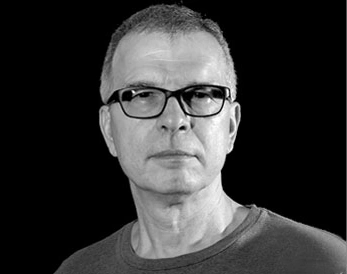
| 31 Quotes | |
| Occup. | Musician |
| From | USA |
| Born | April 24, 1944 |
| Age | 81 years |
| Cite | |
Citation Formats
APA Style (7th ed.)
Tony visconti biography, facts and quotes. (2026, February 18). FixQuotes. https://fixquotes.com/artists/tony-visconti/
Chicago Style
"Tony Visconti biography, facts and quotes." FixQuotes. February 18, 2026. https://fixquotes.com/artists/tony-visconti/.
MLA Style (9th ed.)
"Tony Visconti biography, facts and quotes." FixQuotes, 18 Feb. 2026, https://fixquotes.com/artists/tony-visconti/. Accessed 25 Mar. 2026.
Early Life and Background
Anthony Edward Visconti was born on April 24, 1944, in Brooklyn, New York, into an Italian-American, working-class world where the postwar city pulsed with radio, stoop-side talk, and the practical expectation that you learned a trade and kept moving. New York in the 1950s was a hub of doo-wop harmonies, Latin percussion, Brill Building pop craft, and jazz experimentation, and Visconti absorbed its lesson early: music could be both street-level communication and disciplined work.His family life mixed warmth with the ordinary pressures of immigrant aspiration, and he later remembered the emotional center of home in simple, human terms: “My father loved people, children and pets”. That kind of affection, paired with the citys competitiveness, shaped a temperament that sought belonging yet resisted complacency - a combination that would later make him a producer able to coax performances without smothering individuality.
Education and Formative Influences
Visconti came up as a multi-instrumentalist with formal lessons and relentless curiosity, building a toolkit that straddled rock, orchestration, and rhythm-section pragmatism: “The ukulele was the first of many instruments they had bought for me. They got me a guitar when I was eleven, which my son Morgan uses until this day. They paid for 3 years of guitar lessons; they bought me a bass fiddle, which I still play”. Those years also pulled him toward arranging and the behind-the-scenes craft of making records, a sensibility nourished by the era when pop singles, jazz sessions, and advertising work all demanded speed, taste, and literacy in multiple styles.Career, Major Works, and Turning Points
By the late 1960s Visconti relocated to London, entering the crucible of British rock at the moment it was expanding into art rock, glam, and studio experimentation; his partnership with Marc Bolan began with Tyrannosaurus Rex and exploded with T. Rex, helping define glam via Electric Warrior (1971) and The Slider (1972). Almost simultaneously he became one of David Bowies key collaborators, co-producing or producing landmark albums including The Man Who Sold the World (1970), Young Americans (1975), Low (1977), "Heroes" (1977), Lodger (1979), and later Scary Monsters (and Super Creeps) (1980), Blackstar (2016), and the posthumous No Plan EP; he also helped shape the sound of Iggy Pop (The Idiot and Lust for Life), Thin Lizzy, Morrissey, and many others. The turning points were not simply credits but methods: embracing the studio as an instrument in Berlin-era minimalism, then pivoting to the sharp, modernist drama of Scary Monsters, and decades later returning to Bowie with a producers ear calibrated to both vintage instinct and contemporary clarity.Philosophy, Style, and Themes
Viscontis inner life as a maker is marked by restlessness and a refusal to calcify into ritual. “I am not a creature of habit”. That psychological stance - alert, adaptive, sometimes impatient with routine - aligns with his career-long willingness to jump between orchestral arranging, raw rock tracking, and radical sound design, always chasing the moment when a performance feels inevitable rather than merely correct.His production philosophy treats technology as a palette, not a crutch, and his best records dramatize the tension between the human body and the machine: “But some great records are, are being made with today's technology and there are still great artists among us. Likewise there are artists today who are so reliant on modern technology, they wouldn't have emerged when recording was more organic”. That view helps explain why his work often balances abrasion and elegance - the room sound and the edit, the accidental harmonic and the intentional arrangement - and why he resists nostalgic myths. “It is easily overlooked that what is now called vintage was once brand new”. In Viscontis world, innovation is not a genre but a responsibility: to make the present sound like it has never happened before, even when the tools are familiar.
Legacy and Influence
Visconti stands as one of rock eras definitive producer-musicians: a bridge between New York craft, Londons glam flash, Berlins experimental austerity, and the 21st-centurys hybrid workflows. His influence is audible in the way producers treat the studio as narrative space - not just capturing bands but building psychological worlds where voice, texture, and rhythm tell a story. For artists, he remains a model of the collaborator who can be authoritative without erasing identity; for listeners, his catalog maps how popular music learned to think in cinematic terms, turning albums into environments that still feel urgent decades later.Our collection contains 31 quotes written by Tony, under the main topics: Music - Sports - Parenting - Faith - Father.
Other people related to Tony: David Bowie (Musician), Steven Morrissey (Musician), Marc Bolan (Musician)
Source / external links