
Toše Proeski Biography Quotes 6 Report mistakes
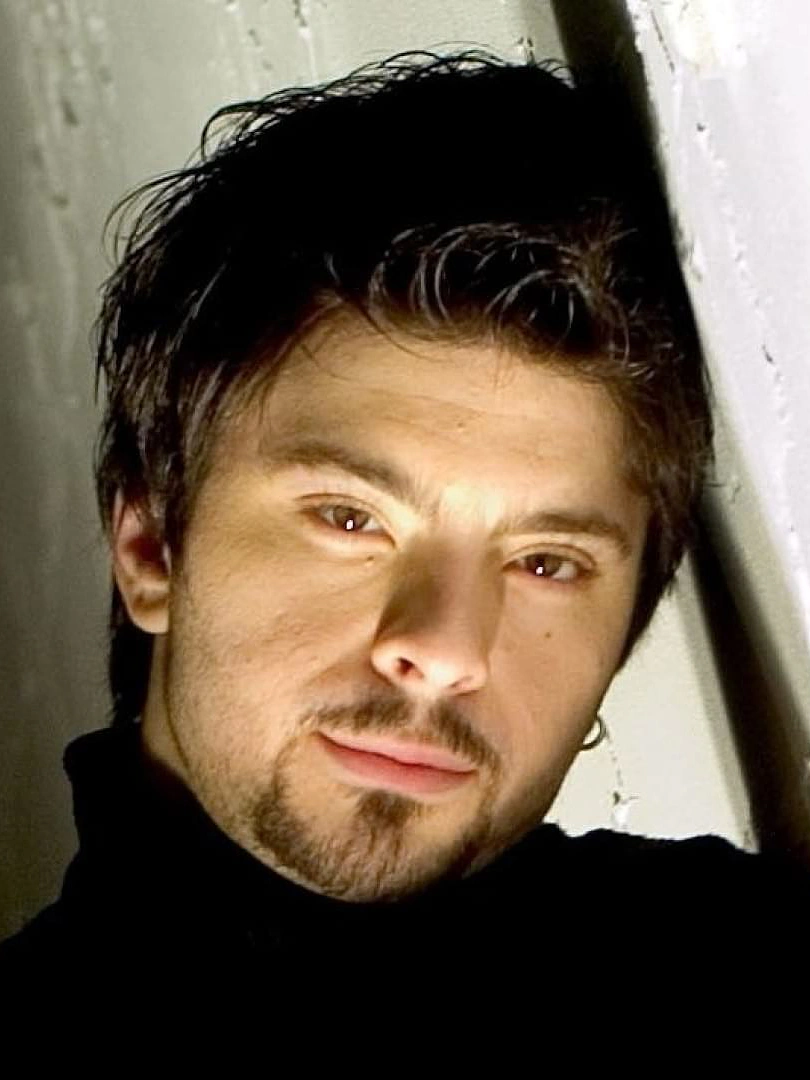
Attr: ESCToday.com
| 6 Quotes | |
| Native name | Тоше Проески |
| Occup. | Musician |
| From | Macedonia |
| Born | January 25, 1981 Prilep, Socialist Republic of Macedonia, Yugoslavia (present-day North Macedonia) |
| Died | October 16, 2007 Nova Gradiška, Croatia |
| Cause | Road traffic accident (car crash) |
| Aged | 26 years |
| Cite | |
Citation Formats
APA Style (7th ed.)
Toše proeski biography, facts and quotes. (2026, February 15). FixQuotes. https://fixquotes.com/artists/tose-proeski/
Chicago Style
"Toše Proeski biography, facts and quotes." FixQuotes. February 15, 2026. https://fixquotes.com/artists/tose-proeski/.
MLA Style (9th ed.)
"Toše Proeski biography, facts and quotes." FixQuotes, 15 Feb. 2026, https://fixquotes.com/artists/tose-proeski/. Accessed 1 Apr. 2026.
Early Life and Background
Tose Proeski was born on January 25, 1981, in Prilep in the Socialist Republic of Macedonia, then part of Yugoslavia, and he grew up in nearby Krusevo, a mountain town whose layered history and folk traditions shaped his sense of belonging. His childhood unfolded against the disintegration of Yugoslavia and the birth of an independent Republic of Macedonia in 1991, years marked by economic strain, new borders, and a sharpened need for symbols that could unite people across ethnic and political lines.From early on he sang in school events and church settings, absorbing the cadence of Macedonian traditional music while also listening to regional pop and international ballads. Family and neighbors recalled a boy with unusual vocal control and an earnest, almost protective temperament - ambitious but not abrasive - the kind of personality that would later make him credible not only as a star but as a public moral figure in a society hungry for decency amid post-socialist turbulence.
Education and Formative Influences
He pursued formal music training in Skopje, studying singing and performance while working through the practical realities of a small-market industry: limited infrastructure, high expectations, and the constant comparison with better-funded scenes in Belgrade, Zagreb, and beyond. Influenced by Balkan pop-ballad traditions, Italian melodic writing, and the discipline of classical vocal technique, Proeski developed a flexible tenor that could move from intimate phrasing to arena-level power, and he learned early that craft and humility were the only sustainable currencies in a region where fame could be sudden and brittle.Career, Major Works, and Turning Points
Proeski emerged nationally after appearing at Makfest in Stip in the late 1990s, then became a defining pop voice of the 2000s with albums and singles that traveled across the former Yugoslav space; among his best-known songs are "Cija si", "Pratim te", "Igra bez granica", "Limena truba" and "Boze, brani je od zla". He represented Macedonia at the Eurovision Song Contest 2004 with "Life", an inflection point that placed him on a pan-European stage and confirmed his ability to bridge languages and audiences. Alongside commercial success, he cultivated a parallel public identity through humanitarian work - including long-term association with UNICEF - and benefit concerts that framed his celebrity as service. His life ended abruptly on October 16, 2007, when he was killed in a traffic accident near Nova Gradiska, Croatia, a shock that froze him in the public imagination at the height of his powers.Philosophy, Style, and Themes
Proeski sang as a romantic realist: his music is full of vows, separations, and the moral cost of desire, but it avoids cynicism. In performance he favored direct emotional address, clean melodic lines, and a controlled use of ornament drawn from Balkan vocal habits without turning them into parody. The songs often set private heartbreak against public responsibility, as if personal pain had to be refined into something listeners could use. That psychology surfaces in the way he frames harm as irreversible - “Don't you hurt the ones you love; eventually, like a bullet from a gun, some things can never be undone so easily”. It reads less like a lyric flourish than a self-warning from someone who felt consequences sharply and tried to live with unusual care for a pop idol.His worldview also carried a utopian tenderness that made sense in a post-Yugoslav generation tired of blame and contamination, literal and metaphorical. “Sometimes we need some place where no one has to blame for all we have to fear of, where no pollution has to live, where children begin to reign”. In that longing, his ballads become civic songs: not propaganda, but emotional infrastructure for a small country seeking dignity. The same ethic appears in his insistence that education was destiny - “If we can improve the education in Macedonia we will have a healthier society”. He was not an abstract philosopher; he was a working musician who treated fame as borrowed authority, obligated to point back toward social repair.
Legacy and Influence
After 2007, Proeski became both a national mourning point and a regional benchmark for vocal excellence, professionalism, and cross-border appeal in Balkan pop. Memorial concerts, tributes, and continued radio life for his catalog have kept him present, while his humanitarian example set a template for artists who wanted to be trusted, not merely watched. In Macedonia especially, he endures as a rare figure whose stardom did not require scandal: a singer who made emotional intensity feel clean, and who helped a young state imagine itself through the language of song.Our collection contains 6 quotes written by Toše, under the main topics: Life - Learning - Peace - Heartbreak - Pride.
Source / external links