
Vanessa Carlton Biography Quotes 29 Report mistakes
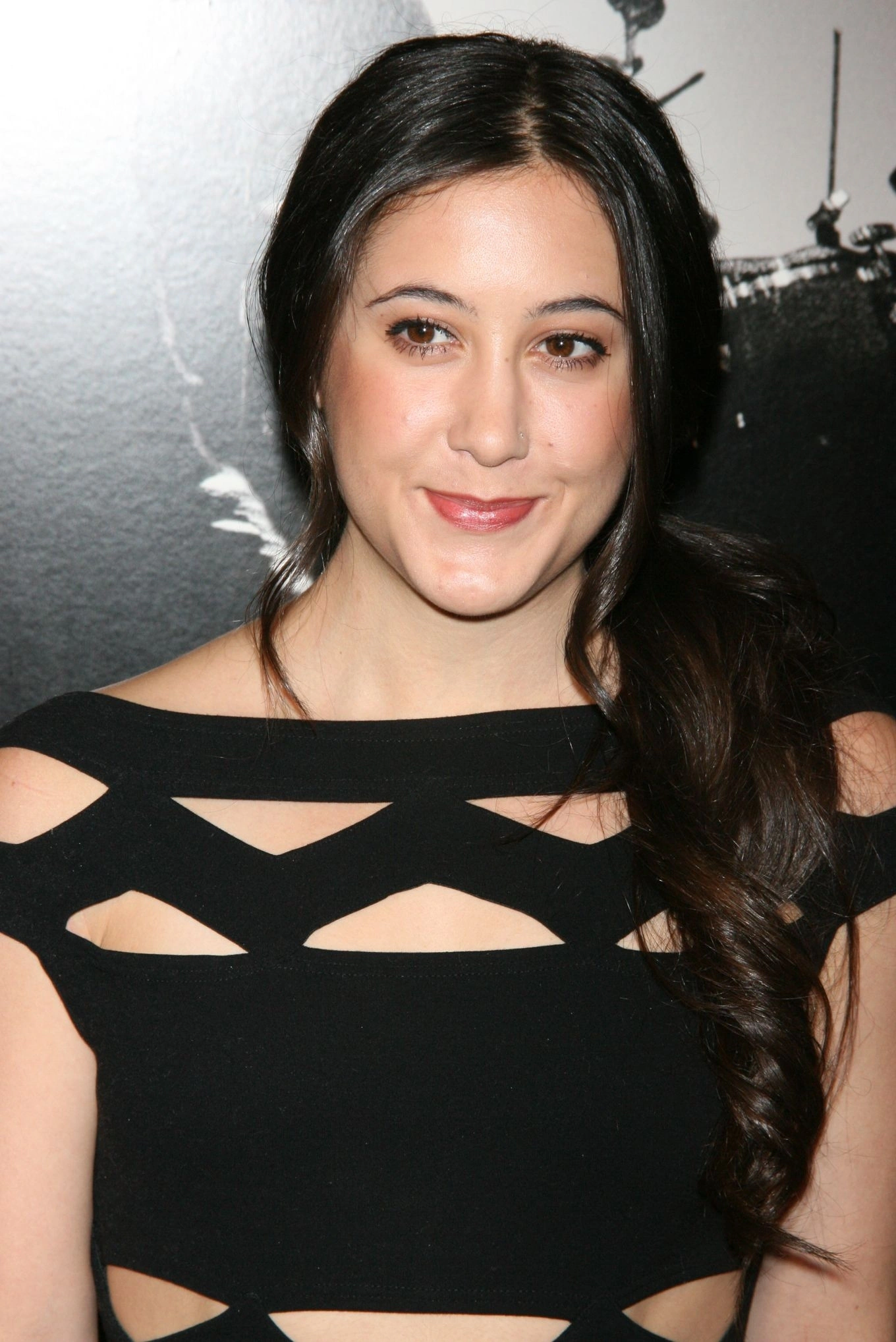
| 29 Quotes | |
| Occup. | Musician |
| From | USA |
| Born | August 16, 1980 |
| Age | 45 years |
| Cite | |
Citation Formats
APA Style (7th ed.)
Vanessa carlton biography, facts and quotes. (2026, February 11). FixQuotes. https://fixquotes.com/artists/vanessa-carlton/
Chicago Style
"Vanessa Carlton biography, facts and quotes." FixQuotes. February 11, 2026. https://fixquotes.com/artists/vanessa-carlton/.
MLA Style (9th ed.)
"Vanessa Carlton biography, facts and quotes." FixQuotes, 11 Feb. 2026, https://fixquotes.com/artists/vanessa-carlton/. Accessed 25 Mar. 2026.
Early Life and Musical Foundations
Vanessa Carlton was born on August 16, 1980, in Milford, Pennsylvania, and raised in a home where music was part of daily life. Her mother, a music teacher and pianist, nurtured her early fascination with the instrument, guiding her into classical training when she was still very young. Carlton also spent formative years immersed in ballet, earning a coveted place at the School of American Ballet in New York City. The rigor and discipline of that world shaped her sense of timing, dynamics, and performance, even as she gravitated back toward the piano to compose her own material. As a teenager she began writing songs and playing them in small New York clubs, testing out early versions of the intimate, piano-centered pop that would become her signature.Breakthrough and Be Not Nobody
Carlton signed with A&M Records and developed her early material with producer and A&R executive Ron Fair, who recognized the cinematic quality of her songwriting and orchestrated it with sweeping strings. The single A Thousand Miles, released in 2002, became a defining pop moment of the early 2000s, powered by its indelible piano motif and her clear, unaffected voice. The song earned multiple Grammy nominations and propelled her debut album, Be Not Nobody, to platinum status. Follow-up singles such as Ordinary Day and Pretty Baby further introduced her reflective, melody-forward writing to a broad audience. Extensive touring and high-visibility TV appearances cemented her public profile and revealed a performer as comfortable alone at the piano as she was with a full band.Experimentation, Collaboration, and Industry Headwinds
Determined not to repeat herself, Carlton pushed into more personal, exploratory territory on her 2004 follow-up, Harmonium. She made the record in close collaboration with producer and songwriter Stephan Jenkins, whose influence encouraged a more layered, band-driven sound. White Houses, the album's standout single, was frank and literary, but its subject matter faced broadcast limitations that blunted its reach. The record nonetheless developed a devoted following and helped define a more introspective chapter in her catalog.She returned in 2007 with Heroes & Thieves, released through The Inc. and Universal. The project brought together an eclectic group of allies, including Linda Perry and The Inc. founder Irv Gotti alongside Jenkins, with Carlton steering toward a warm, organic production style. Nolita Fairytale and Hands on Me showcased her maturing voice as a writer. Though the album did not match the commercial heights of her debut, it earned critical respect for craft and coherence and underscored her commitment to authorship and artistic control during a turbulent period for major-label pop.
Independent Renaissance: Rabbits on the Run and Liberman
A shift to a more independent path yielded a reinvention in sound and process. Rabbits on the Run (2011), made with producer Steve Osborne at Peter Gabriel's Real World Studios in England, embraced analog textures, hushed vocals, and atmospheres that prioritized mood over chart calculus. Songs like Carousel and Hear the Bells became fan favorites, and Carlton's writing turned more elliptical, influenced by literature and a deeper interest in the ways memory and time shape identity. The smaller-scale touring that followed emphasized intimacy: theaters, historic rooms, and listening venues where dynamics and storytelling could be felt up close.She continued the aesthetic arc with Liberman (2015), named in honor of her grandfather's surname. Again working closely with Osborne, she leaned into reverb-washed keyboards, pulsing rhythms, and a palette that balanced clarity with dreamlike haze. The Blue Pool EP previewed the album's feel, and tracks such as House of Seven Swords sketched inward-looking narratives with a painterly touch. The record confirmed that Carlton had found a sustainable creative lane outside the machinery of early-2000s pop stardom.
Love Is an Art and Ongoing Evolution
Love Is an Art arrived in 2020, extending her explorations into texture and form. The album's sonic bravery benefited from collaborators who thrive in boundary-pushing settings, and co-writing with Nashville-based artists added a sharpened lyrical focus. The singles, including Future Pain, framed vulnerability with a modern edge, balancing ambient elements against her piano lines. Even as production grew more adventurous, Carlton's center of gravity remained the interplay between melody and narrative.Stage Work, Touring, and Musical Community
Beyond recording, Carlton broadened her stage life by making her Broadway debut as Carole King in Beautiful: The Carole King Musical. Stepping into the role connected her to a lineage of piano-forward singer-songwriters and revealed a flair for theatrical storytelling. On the road, she has favored tours that bring audiences into her creative process, often performing solo or with small ensembles, reshaping arrangements to fit intimate spaces. A long-running kinship with Stevie Nicks has also been a thread in her story; Nicks became an admirer and mentor figure, and their friendship resonated publicly when Nicks officiated Carlton's 2013 wedding to musician John McCauley, best known as the frontman of Deer Tick.Personal Life and Advocacy
Carlton has been candid about identity and community. In 2010, she came out as bisexual while performing at a Pride event, aligning her public voice with causes she has supported quietly for years. Her marriage to John McCauley brought together two artists with complementary sensibilities, and the couple welcomed a daughter in 2015. Life in a creative household, rooted for stretches in Nashville's collaborative scene, fed her writing with new themes: partnership, parenthood, and the practice of sustaining a craft over time. Across these changes, friends and collaborators such as Steve Osborne, Linda Perry, and colleagues in the indie and Americana circles formed an evolving network that helped her chase new sounds without losing herself.Craft, Influence, and Legacy
Vanessa Carlton's legacy rests on the uncommon durability of a piano-pop breakthrough and the integrity of everything that followed. A Thousand Miles retains cultural currency, quoted in films, television, and social media, because its hook is inseparable from an emotional truth she continues to pursue in later work. Yet her career is as much about what came after: the decision to make smaller, risk-friendly records; to trust producers like Ron Fair and Steve Osborne at different phases; to collaborate with writers who challenge her instincts; and to carry the lessons of ballet discipline into the studio and onto the stage.Several figures are woven through her story. Stephan Jenkins catalyzed a bolder sonic palette on Harmonium, even as industry headwinds complicated its reception. Linda Perry and Irv Gotti underscored her range on Heroes & Thieves. Stevie Nicks modeled longevity and artistic self-possession. John McCauley represents the intimate, day-to-day partnership that supports a working artist. Together, these relationships, along with the ongoing dedication of her audience, have allowed Carlton to evolve from a chart-topping newcomer into a seasoned songwriter whose catalog rewards close listening. Her path illustrates how a pop artist can trade scale for depth, using independence not as retreat but as a means of renewal, and how the piano, her first instrument and lasting ally, can still sound like a frontier.
Our collection contains 29 quotes written by Vanessa, under the main topics: Music - Learning - Work Ethic - Success - Anxiety.
Source / external links