
Warren Zevon Biography Quotes 32 Report mistakes
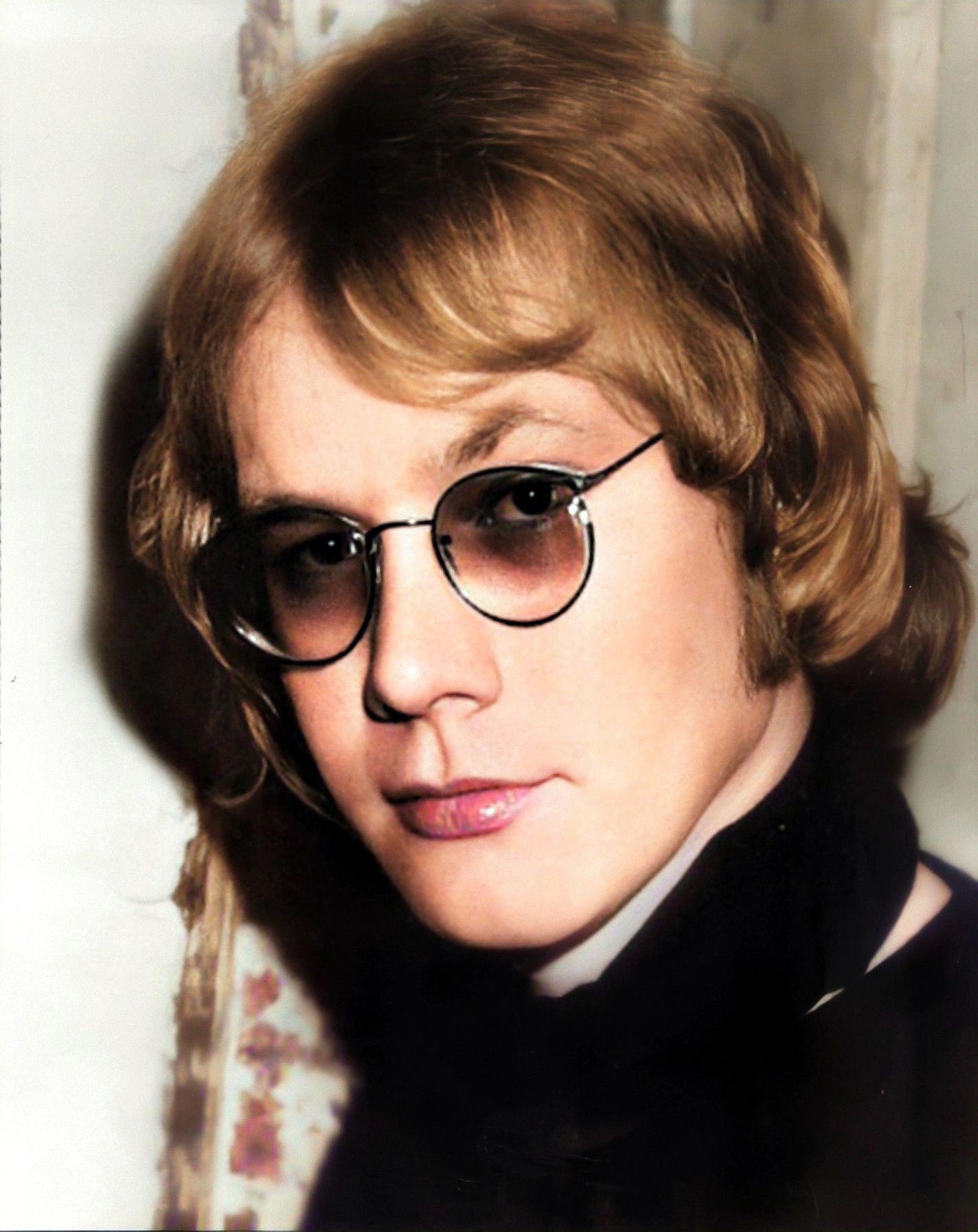
| 32 Quotes | |
| Born as | Warren William Zevon |
| Occup. | Musician |
| From | USA |
| Born | January 24, 1947 Chicago, Illinois, USA |
| Died | September 7, 2003 Los Angeles, California, USA |
| Cause | Lung cancer |
| Aged | 56 years |
| Cite | |
Citation Formats
APA Style (7th ed.)
Warren zevon biography, facts and quotes. (2026, February 11). FixQuotes. https://fixquotes.com/artists/warren-zevon/
Chicago Style
"Warren Zevon biography, facts and quotes." FixQuotes. February 11, 2026. https://fixquotes.com/artists/warren-zevon/.
MLA Style (9th ed.)
"Warren Zevon biography, facts and quotes." FixQuotes, 11 Feb. 2026, https://fixquotes.com/artists/warren-zevon/. Accessed 5 Mar. 2026.
Early Life and Background
Warren William Zevon was born January 24, 1947, in Chicago, Illinois, and grew up in a mid-century America where pop craft and postwar unease lived side by side. His father, a tough, volatile man with a gambling streak and a shadowed past, ran bookmaking operations; his mother brought a steadier domestic order. The household atmosphere - equal parts affection, danger, and performance - left Zevon with a lifelong sensitivity to menace and comedy sharing the same room, a sensibility that later made his songs feel like noir short stories that happened to rhyme.As a teenager he gravitated toward Los Angeles, the magnet city for ambitious musicians in the 1960s, and learned early how quickly the industry could turn the personal into product. He played keyboards, absorbed classical and pop harmony, and hustled as a songwriter and session player. The Southern California scene around the Troubadour promised community, yet it also rewarded masks; Zevon learned to protect tenderness with wit, and to translate private anxiety into a public, singable bite.
Education and Formative Influences
Zevon studied music seriously in his youth, taking instruction that sharpened his compositional instincts and gave him a working command of arrangement, counterpoint, and harmonic color - training that later separated him from many singer-songwriters of his era. In Los Angeles he absorbed the era's eclectic listening habits: early rock and R&B, country storytelling, and the literate edge of folk-rock, then filtered it through a pianist-composer's ear. He admired blunt emotional authority in writers and performers, and he carried those models into a catalog where the chord changes often sounded elegant even when the narrator sounded desperate.Career, Major Works, and Turning Points
Zevon first surfaced as an industry-adjacent craftsman in the late 1960s, writing and performing in bands and supplying material for others; his earliest solo release, Wanted Dead or Alive (1970), arrived before he had fully found his voice and later became, in his own telling, an object lesson rather than a debut to defend. After a period working closely with the Everly Brothers as musical director and bandleader, he re-emerged with a self-titled breakthrough in 1976, produced by Jackson Browne, and followed it with Excitable Boy (1978), a darkly comic classic containing "Werewolves of London" and "Lawyers, Guns and Money". The 1980s and 1990s mixed critical peaks with commercial volatility - Bad Luck Streak in Dancing School (1980), The Envoy (1982), Sentimental Hygiene (1987), Transverse City (1989), Mr. Bad Example (1991), and Mutineer (1995) - while alcoholism, then sobriety, recast his personal life and sharpened his late work. In 2002 he was diagnosed with mesothelioma; instead of retreating, he recorded The Wind (2003) with friends like Browne, Bruce Springsteen, Don Henley, Tom Petty, and Emmylou Harris, turning his last months into a final session of unsentimental intimacy. He died September 7, 2003, in Los Angeles.Philosophy, Style, and Themes
Zevon's art lived on the thin border between cynicism and devotion: he wrote like someone who had seen the worst of human behavior, yet still believed a song could tell the truth without moralizing. His precision came from a composer's mind and an editor's ruthlessness, and he understood how arrangement could alter meaning - the difference between a joke and a confession often being a single chord, a backing vocal, a drum fill. In interviews he framed craft as a kind of ethical responsibility, insisting, “But there's a thin line between songwriting and arranging”. That line mattered to him because his narrators were often unreliable; the music had to carry what the characters could not admit.The emotional center, however, was not irony but mortality. In his final public stretch, after the cancer diagnosis, he distilled his worldview into a single instruction that sounded casual and landed like scripture: “Enjoy every sandwich”. It was not a Hallmark slogan but a hard-won discipline from a man who had burned years on self-destruction and then fought for clarity. Even his self-critique showed a working musician's humility rather than a pose - “I wish I sang better”. - a revealing admission from a writer whose phrasing, timing, and dramatic instinct made "better" beside the point. The tension between technical dissatisfaction and expressive command helped create his signature tone: smart, wounded, funny, and unsparing.
Legacy and Influence
Zevon endures as a songwriter's songwriter - a bridge between the literate Californian singer-songwriter movement and a more caustic, narrative rock tradition that later fed alt-country and indie storytellers. His songs remain standards not because they are nostalgic, but because they dramatize modern life with uncommon moral and musical complexity: violence rendered as farce, tenderness framed by dread, and love that survives even the punchline. The late-career arc, culminating in The Wind, turned him into a model of artistic courage: an artist who met death without sentimentality, kept working, and left behind a body of work that invites listeners to laugh, flinch, and listen closer.Our collection contains 32 quotes written by Warren, under the main topics: Witty One-Liners - Music - Learning - Live in the Moment - Father.
Other people related to Warren: Paul Muldoon (Poet), Linda Ronstadt (Musician)
Source / external links