
Will Champion Biography Quotes 10 Report mistakes
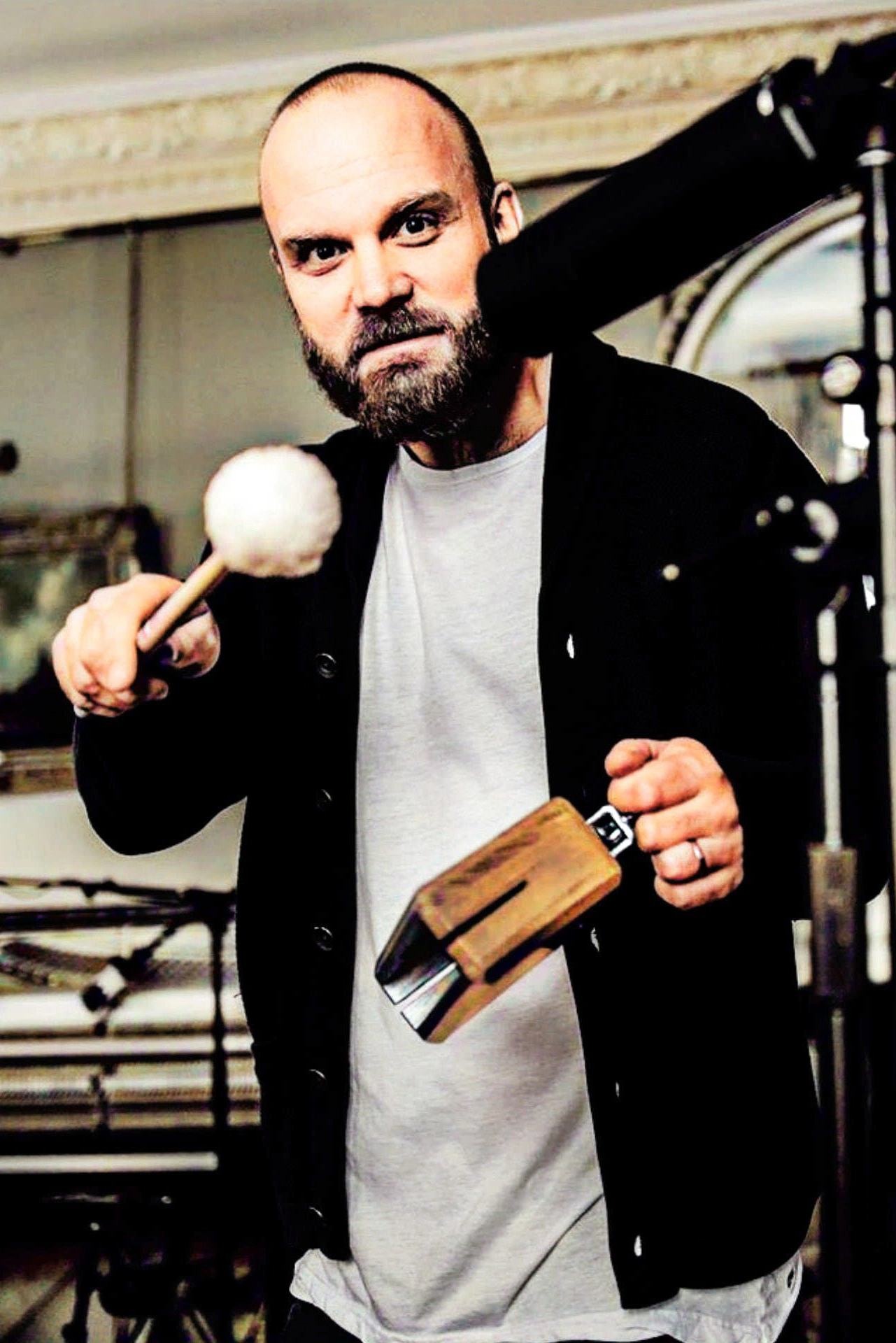
| 10 Quotes | |
| Occup. | Musician |
| From | England |
| Born | July 31, 1978 Southampton, England |
| Age | 47 years |
| Cite | |
Citation Formats
APA Style (7th ed.)
Will champion biography, facts and quotes. (2026, February 11). FixQuotes. https://fixquotes.com/artists/will-champion/
Chicago Style
"Will Champion biography, facts and quotes." FixQuotes. February 11, 2026. https://fixquotes.com/artists/will-champion/.
MLA Style (9th ed.)
"Will Champion biography, facts and quotes." FixQuotes, 11 Feb. 2026, https://fixquotes.com/artists/will-champion/. Accessed 13 Feb. 2026.
Early Life and Background
William Champion was born on July 31, 1978, in England, and grew up in a household where discipline and sensitivity coexisted. He was raised in Southampton, a port city with an unflashy, working rhythm, the kind of place where ambition tends to be private before it becomes public. That blend - modesty in manner, intensity in effort - would later read as a defining Coldplay trait: grand emotional scale delivered by people who still talk like friends in a room.Champion was not initially the bandmate audiences imagined when Coldplay became a global phenomenon. He arrived with the demeanor of someone more comfortable learning than being seen, and with a temperament suited to ensemble life: attentive, precise, and hard to rattle. Even early on, those around him noted a quietly competitive ear - the kind that hears what is missing as quickly as what is good - and a stamina that would become crucial once touring and studio expectations escalated.
Education and Formative Influences
He studied at University College London in the late 1990s, reading anthropology, a subject that trains attention on ritual, group identity, and the stories people tell to hold themselves together. At UCL he met Chris Martin, Jonny Buckland, and Guy Berryman, and the friendships that formed were as important as musicianship: Champion was learning how to be a drummer in a band, but also how to be a person inside a long-term collective, where taste, ego, and affection constantly renegotiate their borders.Career, Major Works, and Turning Points
Coldplay coalesced in 1997-1998; Champion later recalled, "The first time we all played as a band, I think it was in January 1998, in Jonny's bedroom". He did not start as the drummer, but when the original drummer left, he moved to the kit and quickly became essential, not only for timekeeping but for shaping the band's dynamics - steadying rehearsals, refining arrangements, and acting as a musical conscience in the room. With Parachutes (2000) and its breakthrough singles, Coldplay translated intimate songwriting into arena-scale intimacy; Champion's drumming favored restraint, letting space become part of the hook. Across A Rush of Blood to the Head (2002), X&Y (2005), Viva la Vida or Death and All His Friends (2008), and later reinventions such as Mylo Xyloto (2011) and A Head Full of Dreams (2015), he adapted to changing production aesthetics without losing identity, contributing additional instruments and vocals and anchoring tours that turned the band into one of the defining live acts of the era.Philosophy, Style, and Themes
Champion's inner life reads through his playing: a belief that emotion is intensified by control. He has described his limitations as a creative advantage, turning humility into method: "I can't do all that riddly diddly stuff. I'm not good enough. It's all about not playing". That philosophy - subtraction as power - helps explain why early Coldplay tracks feel so direct: the drums rarely demand attention, but they frame vulnerability so the song can speak plainly. It is also a psychological stance, a way of keeping ego from overrunning the music, and of translating anxiety into structure.Within the band, Champion has often sounded like the advocate for standards and sanity at once, the person who insists the work be worthy while protecting the people making it. "When you write something it has to hit the level that you accept as being good". That insistence sits beside an understanding of the emotional weather that Coldplay frequently inhabits: "A lot of the time there is a lot of melancholy in the lyrics". The tension between melancholy and uplift - between doubt and a practiced hope - runs through the catalog, and Champion's steadiness helps reconcile it, giving the band permission to feel deeply without collapsing into self-pity.
Legacy and Influence
Champion's legacy is inseparable from Coldplay's, yet distinct in how it reframed what a modern rock drummer could be: not a virtuoso foreground, but an architect of space, pulse, and emotional pacing. In an era when popular music increasingly blurred genre lines and studio construction, he proved that taste, restraint, and consistency could be as influential as speed or flash, and that a band could scale from bedrooms to stadiums without abandoning the discipline of listening. For younger musicians, his example is a reminder that the most enduring parts in a song are often the ones that serve the whole - and that the quiet member can be the one holding the center.Our collection contains 10 quotes written by Will, under the main topics: Friendship - Music - Writing - Confidence - Optimism.
Source / external links