
Edward Zwick Biography Quotes 12 Report mistakes
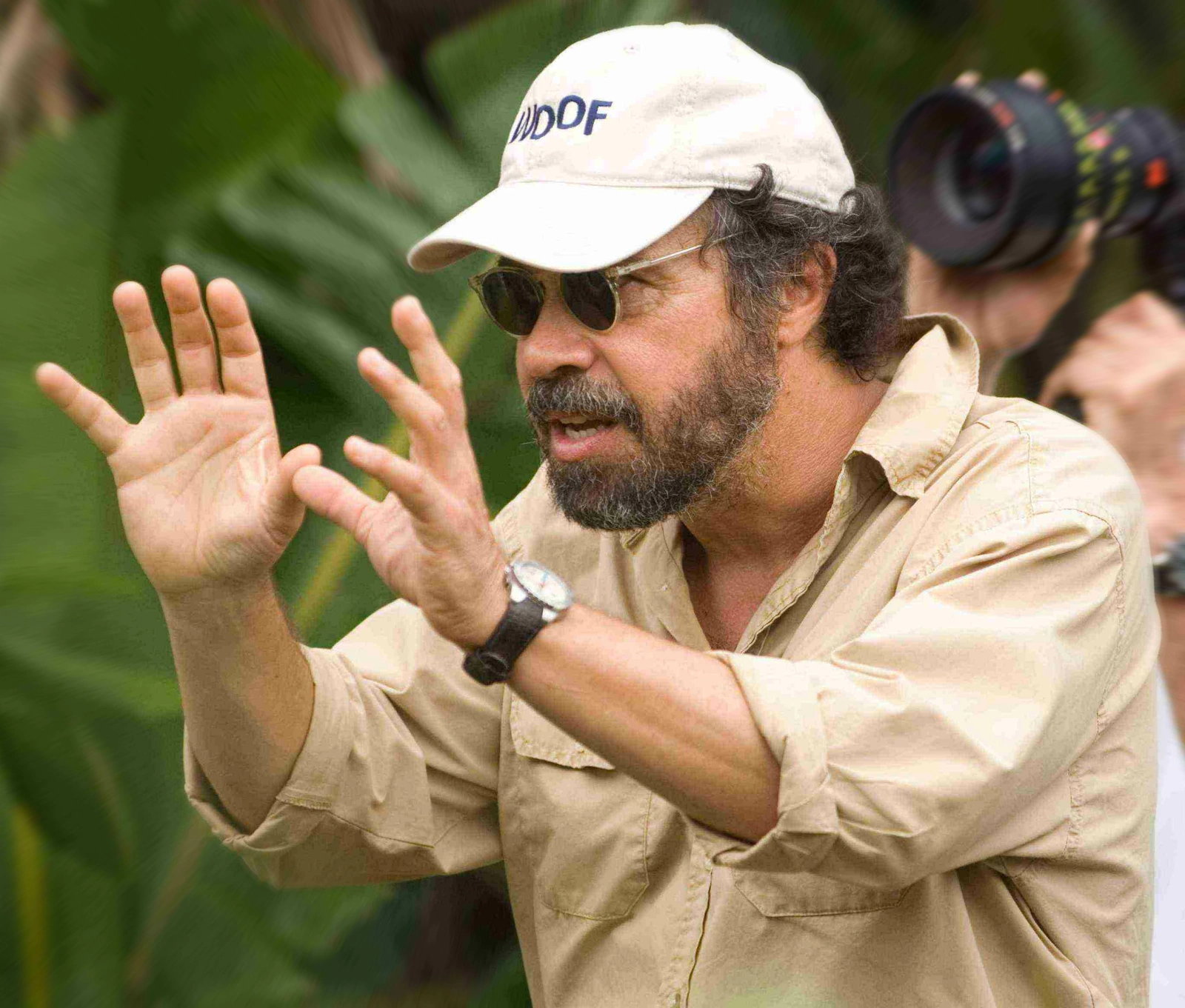
| 12 Quotes | |
| Born as | Edward M. Zwick |
|---|---|
| Occup. | Director |
| From | USA |
| Born | October 8, 1952 Chicago, Illinois, United States |
| Age | 74 years |
| Cite | |
Citation Formats
APA Style (7th ed.)
Edward zwick biography, facts and quotes. (2026, August 13). FixQuotes. https://fixquotes.com/authors/edward-zwick/
Chicago Style
"Edward Zwick biography, facts and quotes." FixQuotes. August 13, 2026. https://fixquotes.com/authors/edward-zwick/.
MLA Style (9th ed.)
"Edward Zwick biography, facts and quotes." FixQuotes, 13 Aug. 2026, https://fixquotes.com/authors/edward-zwick/. Accessed 8 Oct. 2026.
Early Life and Background
Edward M. Zwick was born on October 8, 1952, in Chicago, Illinois, and grew up in a midcentury city shaped by machine politics, labor history, and a thick, neighborhood-based civic identity. That Chicago atmosphere mattered: it trained a young observer to notice who is included in the public story and who is left out, a tension that would later animate his films about war, race, immigration, and national mythmaking.He came of age during Vietnam, Watergate, and a rapidly changing American media landscape in which television became a primary public forum and Hollywood entered a period of self-questioning. Zwick absorbed the era's distrust of simple heroics, yet he was also drawn to the old satisfactions of classical narrative - character, consequence, moral choice. The result, visible across decades of work, is a director who tests institutions while still believing in the emotional force of drama and the moral pressure of history.
Education and Formative Influences
Zwick studied at Harvard University, where he was close to the crosscurrents that produced a generation of writer-directors and politically alert storytellers; he later trained at the American Film Institute Conservatory in Los Angeles, a practical finishing school that emphasized craft, collaboration, and the discipline of rewriting. Between Harvard's argumentative culture and AFI's rigor, he developed a temperament that marries research to performance and big canvas to intimate stakes - an approach that would become his signature in films that ask how private lives are bent by public events.Career, Major Works, and Turning Points
Zwick first became widely known through television, co-creating the series thirtysomething (1987-1991) with Marshall Herskovitz, bringing literate, character-forward realism to network drama and helping define a new template for adult serial storytelling. He pivoted to features with Glory (1989), the Civil War story of the 54th Massachusetts that won Denzel Washington an Academy Award and announced Zwick's lifelong interest in American memory; later works extended his range and scale: Legends of the Fall (1994), Courage Under Fire (1996), The Siege (1998), The Last Samurai (2003), Blood Diamond (2006), Defiance (2008), and Love & Other Drugs (2010). Across these projects - often produced through his long partnership with Herskovitz - Zwick repeatedly returned to historical fracture points and contemporary ethical knots, using star-driven storytelling to smuggle difficult questions into the mainstream.Philosophy, Style, and Themes
Zwick's cinema is built around the friction between moral aspiration and compromised reality. He is drawn to people forced to decide who they are under pressure: soldiers confronting duty and atrocity, civilians navigating collapsing states, lovers attempting honesty in a culture that rewards performance. His interest in codes - whether military, civic, or personal - is not decorative but diagnostic; he studies the comfort that codes offer and the damage they can justify. This is why The Last Samurai lingers on the seductions of honor as much as its costs, and why his war films keep returning to the aftermath inside the psyche rather than the spectacle alone.He also sees filmmaking as an intellectual practice rather than a fixed identity, a posture that keeps his work tethered to inquiry. “I think one of the privileges of being a filmmaker is the opportunity to remain a kind of perpetual student”. That studentliness shows up in the researched textures of his historical projects and in his insistence that large audiences deserve complexity: “There is no reason why challenging themes and engaging stories have to be mutually exclusive - in fact, each can fuel the other. As a filmmaker, I want to entertain people first and foremost. If out of that comes a greater awareness and understanding of a time or a circumstance, then the hope is that change can happen”. Psychologically, this reveals a pragmatic moralist: he distrusts preaching, but he does not surrender the hope that empathy can move the needle. Just as crucial is his suspicion of easy enemies and simplified national stories; “There is a segment of the American population that has been excluded from the national myth, and that should be redressed”. The line clarifies a through-theme from Glory to The Siege: history is not only what happened, but who gets to be remembered as fully human.
Legacy and Influence
Zwick's enduring influence lies in proving that mid-budget, adult-oriented, ethically engaged dramas can still play as popular entertainment, and in helping bridge television's intimacy with cinema's scale. His films have shaped how mainstream audiences visualize the Civil War's Black regiments, modern counterterror anxieties, and the geopolitics of commodities, while his TV work helped normalize the idea that serialized emotional realism could be commercially viable. Even when critics debate his sentiment or his faith in redemption, Zwick remains a key figure in late-20th and early-21st-century American storytelling - a director who keeps returning to the question of what responsibility looks like when history corners ordinary people.Last updated August 2026 · Editorial standards
Our collection contains 12 quotes written by Edward, under the main topics: Ethics & Morality - Justice - Learning - Movie - Family.
Source / external links