
Kathleen Battle Biography Quotes 3 Report mistakes
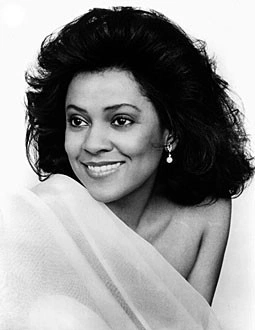
| 3 Quotes | |
| Occup. | Actress |
| From | USA |
| Born | August 13, 1948 Portsmouth, Ohio |
| Age | 77 years |
| Cite | |
Citation Formats
APA Style (7th ed.)
Kathleen battle biography, facts and quotes. (2026, February 11). FixQuotes. https://fixquotes.com/actors/kathleen-battle/
Chicago Style
"Kathleen Battle biography, facts and quotes." FixQuotes. February 11, 2026. https://fixquotes.com/actors/kathleen-battle/.
MLA Style (9th ed.)
"Kathleen Battle biography, facts and quotes." FixQuotes, 11 Feb. 2026, https://fixquotes.com/actors/kathleen-battle/. Accessed 12 Feb. 2026.
Early Life and Background
Kathleen Battle was born August 13, 1948, in Portsmouth, Ohio, and raised in nearby suburban Cincinnati in a large African American family shaped by church, school, and the disciplined pragmatism of working-class life. The postwar Midwest offered few glamorous pathways into the arts, but it did offer choirs, band rooms, and the steady ritual of Sunday music-making - spaces where a bright, high voice could become both refuge and identity.From early on, Battle learned that excellence could be protective armor. In an era when major US opera institutions were only beginning to diversify their stages, she developed an alertness to scrutiny - the sense that every performance carried extra stakes. That pressure helped produce a persona often described as exacting, even prickly, but it also sharpened the qualities audiences later recognized instantly: crystalline timbre, immaculate diction, and an insistence that the small things - entrances, breath, ornaments, vowels - were never small.
Education and Formative Influences
Battle studied music education at the University of Cincinnati College-Conservatory of Music, training her ear not just as a soloist but as a pedagogue attentive to technique and ensemble discipline. She worked as an elementary-school teacher before her professional breakthrough, a formative experience that reinforced habits of preparation and self-command; teaching also placed her inside the daily realities of Black American life in the 1970s, where ambition had to coexist with service, and where artistry was judged by whether it could endure routine, not just spotlight.Career, Major Works, and Turning Points
Her national ascent accelerated after conductor Thomas Schippers championed her, leading to high-profile orchestral and operatic engagements and, in the 1980s, major appearances at the Metropolitan Opera. Battle became closely associated with Mozart roles and a bel canto-inflected elegance that fit her instrument: Susanna (Le nozze di Figaro), Zerlina (Don Giovanni), and Despina (Cosi fan tutte), along with lyric repertory that showcased purity and agility. A decisive turning point came in 1994 when the Met dismissed her after contentious rehearsals, a public rupture that fixed her reputation as both a singular talent and a difficult colleague. Rather than disappear, she recalibrated: more concert work, recital programs, recordings, and collaborations that let her control conditions and repertoire, including appearances at Carnegie Hall and projects that bridged classical, spiritual, and crossover idioms.Philosophy, Style, and Themes
Battle's inner life as an artist is best read through her pursuit of precision as a moral stance. She did not treat vocal beauty as decoration; she treated it as accountability. "The question is not... if art is enough to fulfill my life, but if I am true to the path I have set for myself, if I am the best I can be in the things I do. Am I living up to the reasons I became a singer in the first place?" That self-interrogation helps explain both the radiance and the tension around her work: when a singer believes the smallest compromise is a betrayal of vocation, every rehearsal becomes a referendum on integrity, and every collaborator becomes part of the ethical environment.Her style prized clarity over heft: a silvery upper register, controlled vibrato, and a painterly approach to text that could make Mozart sound conversational and devotional music sound intimate rather than monumental. The public sometimes wanted biography - triumph over barriers, the drama of institutional conflict - but Battle insisted on craft as the final narrative. "I sing what I sing". That sentence reads as aesthetic boundary-setting: she defined herself by repertoire choices and standards, not by others' expectations, and she favored music that rewarded finesse, buoyancy, and emotional cleanliness - joy without blur, sorrow without melodrama.
Legacy and Influence
Kathleen Battle remains a reference point for how a light lyric soprano can command large spaces through focus, not force, and how Black American excellence could reshape elite classical institutions even amid conflict. Her Met controversy has been endlessly retold, but her deeper legacy lies in the recorded evidence of her Mozart, her recital work, and her insistence that vocal production is a form of character - disciplined, exact, sometimes costly. For younger singers, especially women navigating power asymmetries in rehearsal rooms, Battle's story endures as a complicated template: the price of standards, the risks of being labeled, and the long-term authority earned when artistry remains unmistakable.Our collection contains 3 quotes written by Kathleen, under the main topics: Music - Self-Improvement.
Other people related to Kathleen: Jessye Norman (Musician)
Source / external links