
Rick Schroder Biography Quotes 13 Report mistakes
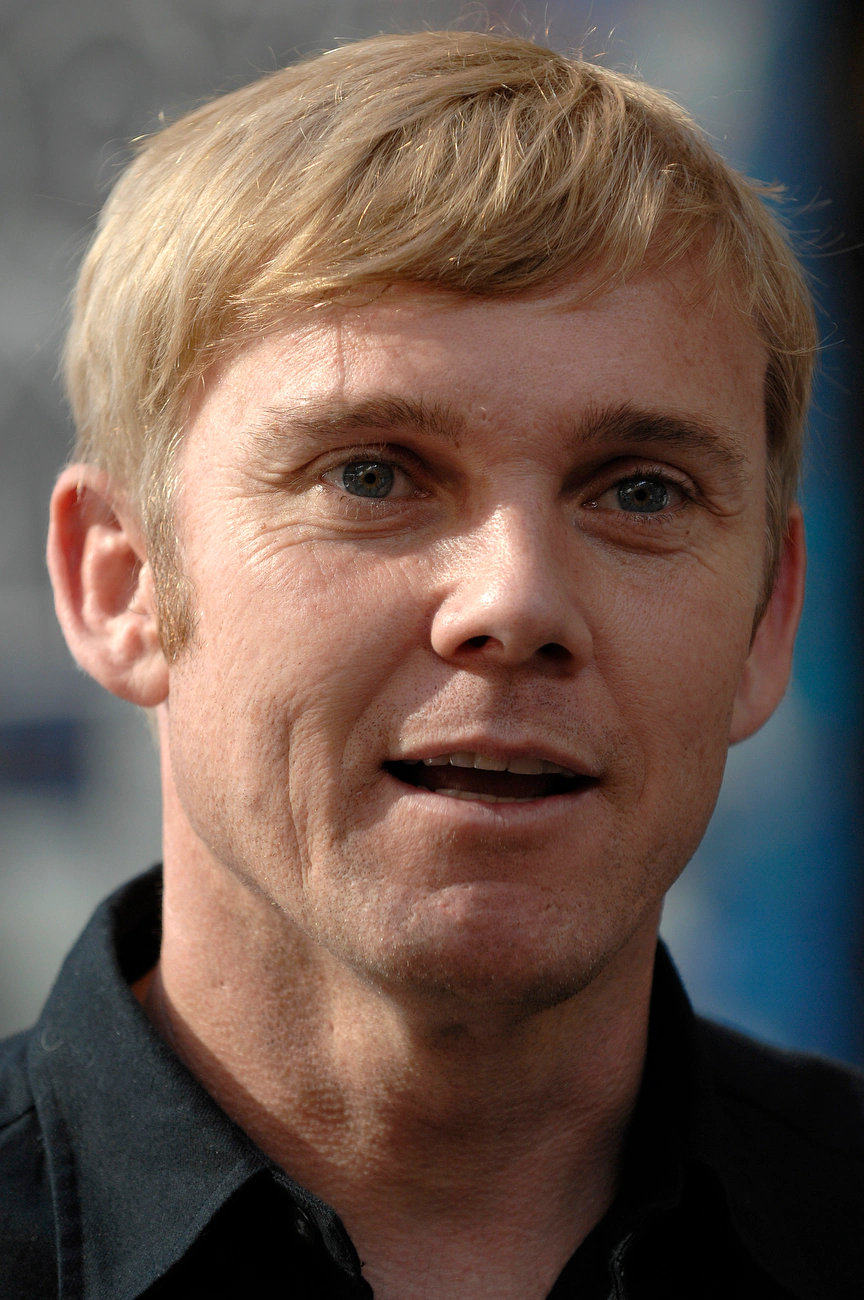
| 13 Quotes | |
| Born as | Richard Bartlett Schroder Jr. |
| Occup. | Actor |
| From | USA |
| Born | April 13, 1970 Staten Island, New York, USA |
| Age | 55 years |
| Cite | |
Citation Formats
APA Style (7th ed.)
Rick schroder biography, facts and quotes. (2026, March 14). FixQuotes. https://fixquotes.com/actors/rick-schroder/
Chicago Style
"Rick Schroder biography, facts and quotes." FixQuotes. March 14, 2026. https://fixquotes.com/actors/rick-schroder/.
MLA Style (9th ed.)
"Rick Schroder biography, facts and quotes." FixQuotes, 14 Mar. 2026, https://fixquotes.com/actors/rick-schroder/. Accessed 2 Apr. 2026.
Early Life and Background
Richard Bartlett Schroder Jr. was born on April 13, 1970, in Brooklyn, New York, and grew up in a period when American entertainment was expanding its appetite for child stars while television increasingly shaped national culture. He was raised in a working- and middle-class American environment, the son of Richard Bartlett Schroder Sr. and Diane Katherine Schroder. Before he was old enough to understand fame, his blond, open-faced screen presence was already being noticed in commercials and auditions. The family soon moved within the orbit of the industry, and his childhood became inseparable from performance, travel, and adult expectations.
His earliest public identity was formed with unusual speed. At nine, billed as Ricky Schroder, he won widespread attention in Franco Zeffirelli's 1979 film The Champ, playing T.J. Flynn opposite Jon Voight and Faye Dunaway. The performance was not merely cute or precocious; it had a raw emotional directness that made him one of the most visible child actors in America almost overnight. That sudden ascent gave him opportunity, money, and professional discipline, but it also fixed him in the public imagination as a vulnerable, tearful boy - an image he would spend much of his adult life trying to deepen, complicate, and escape.
Education and Formative Influences
Schroder's education was shaped less by classrooms than by sets, scripts, and the accelerated social world of show business. Traditional schooling was disrupted early, and his formation came through work: taking direction, observing adult actors, traveling internationally, and learning the technical grammar of film and television while still a child. In the early 1980s he became a household name on the sitcom Silver Spoons, where he played Ricky Stratton, the son of a wealthy, immature father played by Joel Higgins; the series placed him at the center of a glossy Reagan-era fantasy of affluence, gadgets, and family reassembly. Yet the same experience also trained him in the limits of a child-star persona. Comedy brought fame, but it could also flatten him into a marketable type. By adolescence he was already absorbing one of the central lessons of his career: that survival in Hollywood would depend on range, reinvention, and control over his own image.
Career, Major Works, and Turning Points
After The Champ and Silver Spoons made him famous, Schroder moved through the difficult transition from child celebrity to adult actor with more persistence than many of his peers. He appeared in films such as The Earthling, The Last Flight of Noah's Ark, and later experimented with more mature material in the 1980s and 1990s, including roles in Across the Tracks and Crimson Tide. A major turning point came with his work on the western miniseries Lonesome Dove and then with NYPD Blue, where he joined the cast in 1998 as Detective Danny Sorenson. That role was crucial: it let him shed the "Ricky" image and demonstrate gravity, toughness, and emotional wear. He also expanded behind the camera, directing episodes of television and developing independent projects, including the Christian-themed film Black Cloud and later Our Wild Hearts, which involved family collaboration. His career never followed a single linear ascent; instead, it reflected repeated acts of recalibration - acting, directing, producing, writing - by a performer determined not to be trapped by his earliest success.
Philosophy, Style, and Themes
The defining psychological drama of Schroder's career is the tension between early exposure and delayed self-possession. He has spoken with striking self-awareness about having been aged by experience before adulthood: “I don't know why it is, but sometimes I feel like I'm 60. It's like I've been around for a long time. I felt that way even when I was 8”. That remark clarifies the unusual seriousness often visible beneath even his youthful roles. Schroder's best performances carry a quality of emotional compression - sentiment held just at the edge of rupture. Even when he played bright, accessible characters, there was often an undertow of loneliness, responsibility, or premature maturity. This helps explain why his shift into dramas and law-and-order roles felt convincing: he was not inventing hardness so much as revealing the weathered underside of the child image America had projected onto him.
Just as important is his repeated insistence on resisting confinement. “There have been times I almost got a persecution complex. I felt like people wouldn't let me grow up. They always saw me as a smiling kid or goofy teenager, no matter how much I'd changed”. That frustration was not vanity; it was the central burden of child fame, in which the market preserves an old self after the person has outlived it. His comments on social unease - “I always thought I had a problem socially, because I was pulled out of school so early. I had a tough time talking to other kids and being comfortable with them”. - reveal another recurrent theme: the cost of being professionally visible while developmentally isolated. For Schroder, acting was never simply display. It was also a shelter, a craft learned early enough to become instinct, and later a field in which he sought authorship through writing and directing so that identity would not remain something assigned from outside.
Legacy and Influence
Rick Schroder endures as a significant case study in American screen culture: a child actor who achieved iconic fame, survived the industry's hazardous passage into adulthood, and broadened his role from performer to maker. He belongs to a generation of late-1970s and 1980s stars whose images were built in family entertainment but tested by the harsher realism of 1990s television. His legacy rests less on a single masterpiece than on durability, recognizability, and the emotional memory he left in audiences from The Champ, Silver Spoons, Lonesome Dove, and NYPD Blue. He also remains a revealing figure in the history of celebrity itself - someone whose career shows how early adoration can become a burden, how typecasting can provoke reinvention, and how a performer marked by youth can spend decades trying to claim the right to be seen as fully adult.
Our collection contains 13 quotes written by Rick, under the main topics: Witty One-Liners - Art - Writing - Anxiety - Aging.
Other people related to Rick: Kim Delaney (Actress), Dennis Franz (Actor)
Source / external links