
Sylvia Browne Biography Quotes 5 Report mistakes
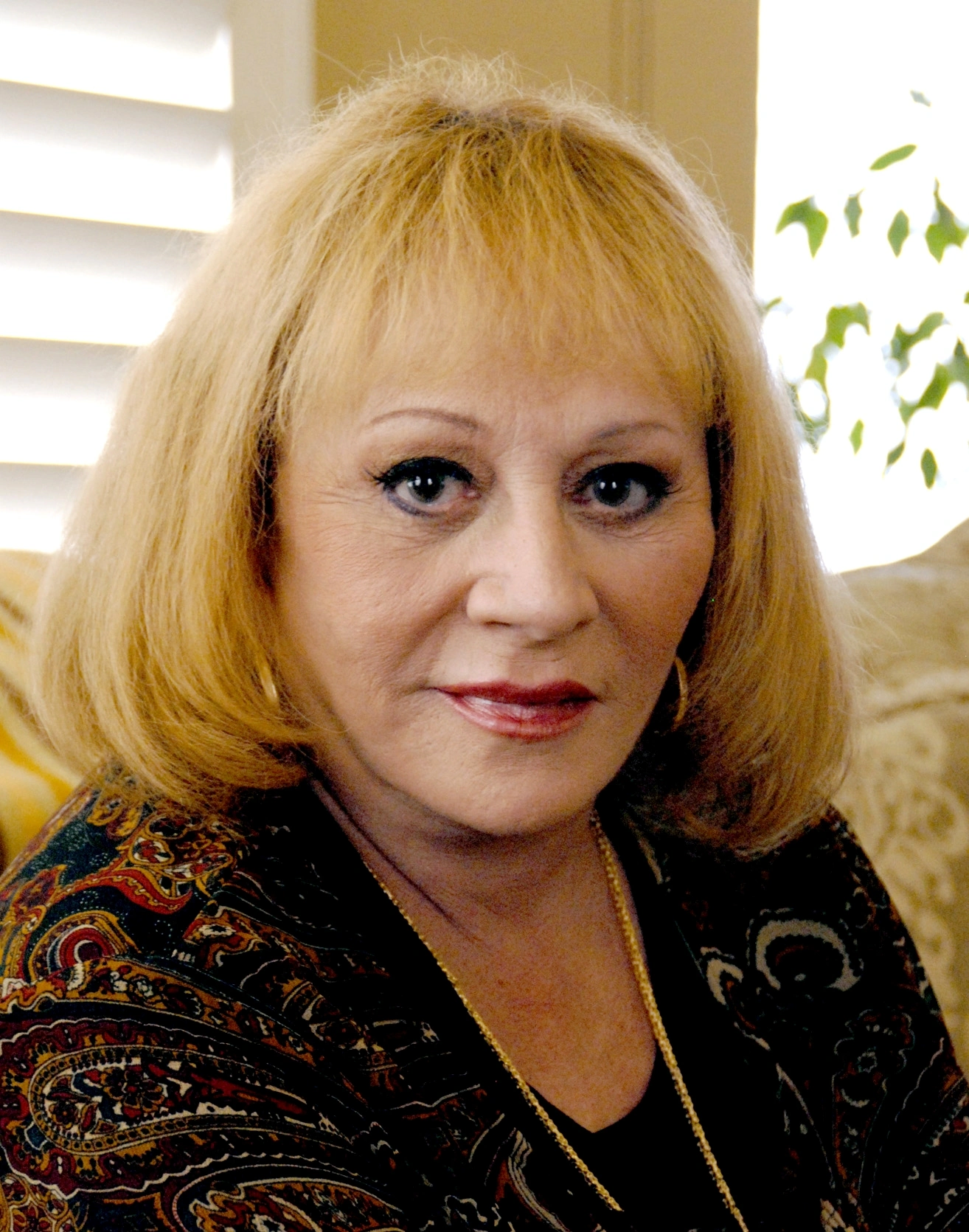
| 5 Quotes | |
| Born as | Sylvia Celeste Shoemaker |
|---|---|
| Occup. | Celebrity |
| From | USA |
| Born | October 19, 1936 Kansas City, Missouri |
| Age | 89 years |
| Cite | |
Citation Formats
APA Style (7th ed.)
Sylvia browne biography, facts and quotes. (2026, August 13). FixQuotes. https://fixquotes.com/authors/sylvia-browne/
Chicago Style
"Sylvia Browne biography, facts and quotes." FixQuotes. August 13, 2026. https://fixquotes.com/authors/sylvia-browne/.
MLA Style (9th ed.)
"Sylvia Browne biography, facts and quotes." FixQuotes, 13 Aug. 2026, https://fixquotes.com/authors/sylvia-browne/. Accessed 6 Oct. 2026.
Early Life and Background
Sylvia Celeste Shoemaker was born on October 19, 1936, in Kansas City, Missouri, and came of age in a mid-20th-century America fascinated by both scientific progress and occult revival. She later said psychic ability ran through her maternal line, especially through her grandmother Ada, and she built much of her public identity around the claim that visions, spirit contact, and intuitive knowing had marked her from childhood. Whether taken as family mythology, sincere conviction, or calculated self-fashioning, that origin story mattered: Browne understood early that authority in the spiritual marketplace depended on presenting one's gift as inherited, lifelong, and emotionally costly.
Her early life was also shaped by instability, reinvention, and the search for belonging. She married young, married multiple times over her life, and eventually became known by the surname Browne. The social world she inhabited - postwar domestic America, religious eclecticism, popular psychology, and television's hunger for charismatic personalities - gave her a stage on which unconventional claims could become a vocation. Before national fame, she moved through ordinary pressures of class, family, and work while nurturing an identity as a seer. That tension between suburban familiarity and supernatural exception became central to her appeal: she looked accessible, spoke colloquially, and described invisible worlds as if they were extensions of everyday life.
Education and Formative Influences
Browne did not emerge from formal theological or scientific training; her formation was largely self-directed, experiential, and commercial. She absorbed strands of Spiritualism, New Age metaphysics, reincarnation belief, Christian language, and popular self-help, blending them into a system that was less doctrinally rigorous than emotionally persuasive. In 1986 she founded the Nirvana Foundation for Psychic Research in Campbell, California, giving institutional shape to ideas she had been developing for years. Her education, in effect, came from the American metaphysical underground: séance culture, past-life narratives, mediumship traditions, and the late-20th-century boom in talk-show confession and therapeutic spirituality. She learned how to translate esoteric claims into plainspoken reassurance, a skill more decisive to her rise than any credential.
Career, Major Works, and Turning Points
Browne's career expanded from local readings and lectures into a national multimedia enterprise. She offered psychic consultations, built a church organization often called the Society of Novus Spiritus, and became a prolific author whose books included Adventures of a Psychic, Life on the Other Side, Prophecy, The Other Side and Back, End of Days, and a long stream of titles on dreams, healing, karma, and spirit guides. Her decisive turning point was television. Frequent appearances on daytime and syndicated programs - especially The Montel Williams Show - made her one of the most recognizable psychics in America. She delivered missing-person readings, spirit messages, and cosmological teachings with great confidence, and that confidence was itself part of the product. Yet visibility brought scrutiny. Skeptics challenged her predictions, criticized her methods, and documented painful cases in which families were given claims later shown to be false. Legal and consumer controversies also shadowed her career. Even so, she remained commercially potent, because she offered not verification but certainty, and certainty is often what grief, fear, and suspended hope most urgently seek.
Philosophy, Style, and Themes
At the center of Browne's worldview was a domesticated supernaturalism: the afterlife was not radically unknowable but organized, inhabited, and emotionally legible. She described spirits, guides, karma, and pre-birth planning in conversational terms, reducing metaphysical terror by making death sound like relocation. “A spirit is, like, your mother, my dad, who've made it. They can come around, but they come around in a loving way because they've already made it to God. Most people make it”. That sentence captures her psychological genius. She spoke in the idiom of family, not theology; of reassurance, not judgment. Even her account of hauntings converted dread into misunderstanding: “A ghost is someone who hasn't made it - in other words, who died, and they don't know they're dead. So they keep walking around and thinking that you're inhabiting their - let's say, their domain. So they're aggravated with you”. The supernatural in Browne's hands was dramatic but manageable.
Her broader message fused consolation with moral effort. She presented suffering as meaningful, fear as nameable, and invisible protection as always near. “The weeds keep multiplying in our garden, which is our mind ruled by fear. Rip them out and call them by name”. That image reveals the therapeutic core of her appeal: she treated anxiety as both spiritual disorder and practical task. Browne's style was emphatic, intuitive, and narratively vivid rather than analytical. She preferred firm declarations to nuance, symbolic scenery to argument, and emotional recognition to proof. This made her compelling to believers and vulnerable to critics. Psychologically, she projected mastery over uncertainty while repeatedly returning to pain, loss, and reunion, suggesting a deeper preoccupation with how people survive chaos. Her cosmology promised that disorder had structure, grief had continuity, and the dead remained in relationship with the living.
Legacy and Influence
Sylvia Browne died on November 20, 2013, but her influence persists in the culture of televised mediumship, mass-market spirituality, and grief-centered paranormal belief. She helped normalize psychic discourse for mainstream American audiences, especially in the 1990s and 2000s, when talk shows turned private anguish into public ritual. Her books reached readers who wanted destiny, reincarnation, and spirit contact explained in accessible language, and many found genuine comfort in her work. At the same time, her legacy is inseparable from controversy: skeptics cite her as a case study in the ethical hazards of celebrity clairvoyance, especially when claims intersect with criminal investigations or vulnerable families. That split response is the key to understanding her place in history. Browne was not merely a psychic personality; she was a builder of meaning in an anxious age, giving millions a vocabulary for death and fear while forcing an enduring argument about faith, evidence, and the price of certainty.
Last updated August 2026 · Editorial standards
Our collection contains 5 quotes written by Sylvia, under the main topics: Mortality - Faith - God - Learning from Mistakes - Fear.
Source / external links