
Wayne Shorter Biography Quotes 9 Report mistakes
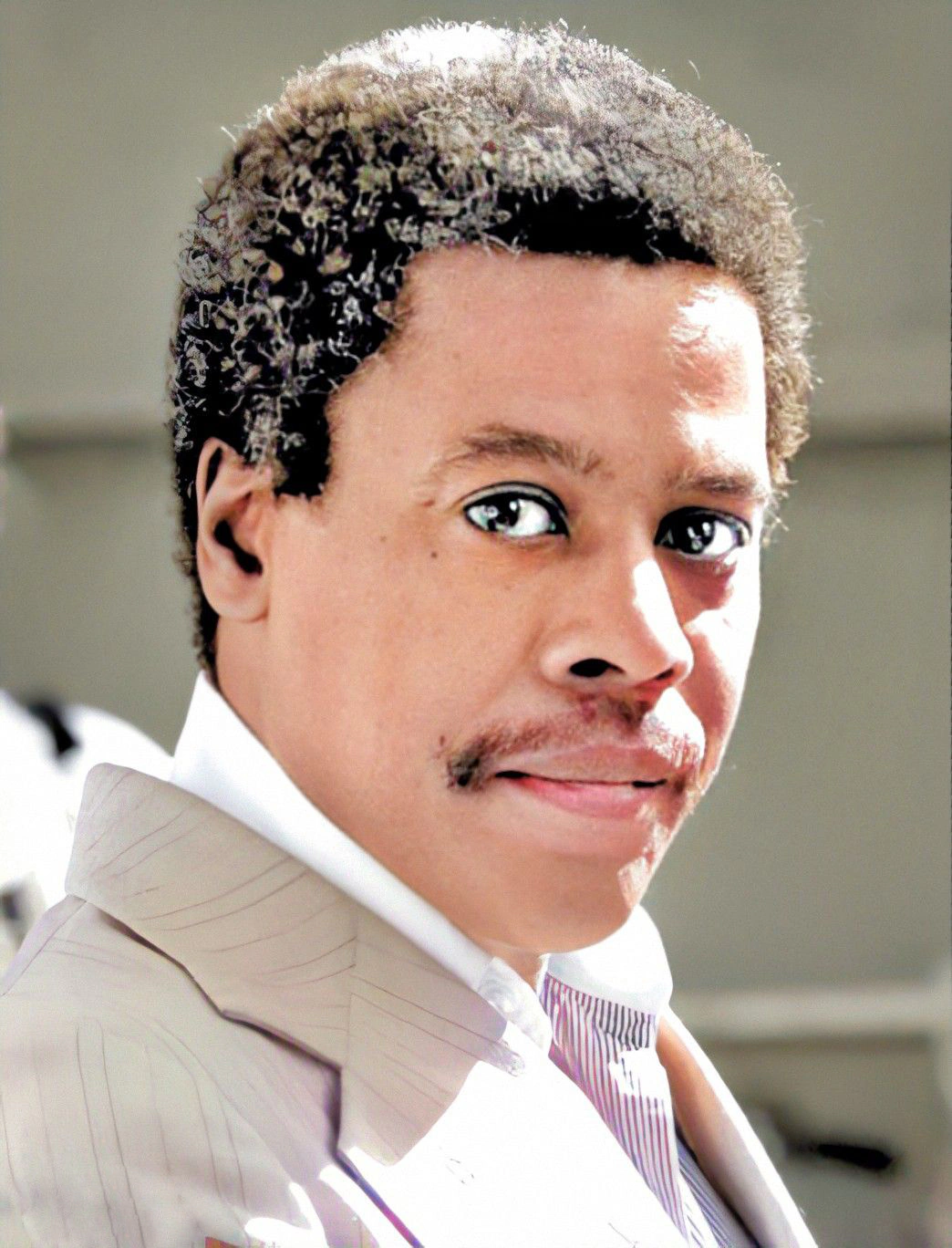
Attr: Brianmcmillen, CC BY-SA 4.0
| 9 Quotes | |
| Occup. | Musician |
| From | USA |
| Born | August 25, 1933 |
| Died | March 2, 2023 |
| Aged | 89 years |
| Cite | |
Citation Formats
APA Style (7th ed.)
Wayne shorter biography, facts and quotes. (2026, February 11). FixQuotes. https://fixquotes.com/artists/wayne-shorter/
Chicago Style
"Wayne Shorter biography, facts and quotes." FixQuotes. February 11, 2026. https://fixquotes.com/artists/wayne-shorter/.
MLA Style (9th ed.)
"Wayne Shorter biography, facts and quotes." FixQuotes, 11 Feb. 2026, https://fixquotes.com/artists/wayne-shorter/. Accessed 12 Feb. 2026.
Early Life and Background
Wayne Shorter was born on August 25, 1933, in Newark, New Jersey, the younger of two sons in a working, urban America reshaped by the Depression and the approach of war. Newark offered both grit and possibility: block-by-block ethnic neighborhoods, factory rhythms, and a strong public-school arts culture that could funnel talent into bandrooms and citywide competitions. Shorter grew up alongside his brother Alan, who became a visual artist; the household valued making things, not merely consuming them, and that bias toward craft and imagination later surfaced in Wayne's composing - music built like architecture, but alive like conversation.As a boy he leaned first toward drawing and sculpture, a fact that matters because his later improvisations often feel carved rather than merely played. The saxophone arrived relatively late, and that late start helped shape his personality as a musician: less virtuoso display for its own sake, more curiosity, story, and structure. By the time he committed to music, he carried an outsider's alertness and a maker's patience, traits that would let him move through hardening jazz orthodoxies without being captured by them.
Education and Formative Influences
Shorter attended Newark Arts High School and then studied at New York University in the early 1950s, absorbing theory while the city around him pulsed with bebop's aftershocks and modernism's new grammar. He served in the U.S. Army (late 1950s), playing in military bands and sharpening discipline, then returned to a New York scene where Art Blakey's Jazz Messengers functioned like a conservatory. Listening deeply to Lester Young and John Coltrane, and reading widely in philosophy and science fiction, he developed a composer's ear for implication - themes that suggest more than they state, like short stories that end with the door still ajar.Career, Major Works, and Turning Points
Shorter broke through with the Jazz Messengers (1959-1964), quickly becoming music director and one of the band's key composers, then entered his defining mid-1960s role as tenor saxophonist and principal writer in the Miles Davis Quintet (1964-1970) with Herbie Hancock, Ron Carter, Tony Williams, and later Chick Corea and Dave Holland. For Davis he wrote slippery modern standards like "E.S.P.", "Nefertiti", "Footprints", and "Prince of Darkness", pieces that made harmony feel like weather - shifting, ambiguous, and unavoidable. Parallel to this, his Blue Note albums as a leader - "Night Dreamer" (1964), "Juju" (1964), "Speak No Evil" (1965), "Adam's Apple" (1966), and "Schizophrenia" (1967) - established him as a major composer of the post-bop era. In 1970 he co-founded Weather Report with Joe Zawinul and Miroslav Vitous, helping invent a durable jazz-fusion language; later, after leaving the band in the mid-1980s, he pursued electric projects, film work, and then the mature late-career renaissance of the Wayne Shorter Quartet with Danilo Perez, John Patitucci, and Brian Blade, culminating in ambitious works like "Emanon" (2018). Across decades he won multiple Grammys and remained a sought-after collaborator, while enduring profound personal losses, including the death of his wife Ana Maria in 1996 and their daughter Iska in 1985 - grief that did not narrow his art, but deepened its compassion and scale.Philosophy, Style, and Themes
Shorter's music is often described as mysterious, but the mystery is engineered: he favored melodies that feel like characters entering mid-scene, harmonies that refuse to resolve on schedule, and forms that invite collective authorship. His compositions can pivot from chant-like simplicity to labyrinthine motion, yet they rarely sound like exercises; they sound like questions posed in real time. That attitude matched the era he helped define, when jazz moved from song-based improvising toward open, interactive systems - a shift the Miles Davis Quintet made central, with Shorter as its quiet dramaturge.Psychologically, Shorter prized alertness over control, and he translated that into a musician's ethics. "The past is a memory, the future is a fantasy. The real, vibrant, creative moment is now". That is not a slogan in his case but a method: he wrote tunes whose very design forces the band to decide, together, what "now" means. "I've found that the most important thing in music is the silence between the notes". His phrasing often courts breath and space, letting implication carry emotional weight, as if the listener is meant to complete the sentence. And he treated improvisation not as risk management but as discovery - "In improvisation, there are no mistakes". The result is a body of work where vulnerability reads as strength: the band listens harder, the form stays porous, and the narrative remains open enough to hold doubt, humor, and awe at once.
Legacy and Influence
Shorter died on March 2, 2023, in Los Angeles, leaving a catalog that functions as both repertoire and philosophy: compositions that bands keep playing because they are inexhaustible, and a model of artistry grounded in curiosity, discipline, and humane imagination. He helped define post-bop composition, co-authored the telepathic language of Miles Davis' 1960s groups, and shaped fusion with Weather Report, yet his deeper influence is ethical: he taught generations to treat music as a living inquiry, where structure invites freedom and where listening is the highest virtuosity.Our collection contains 9 quotes written by Wayne, under the main topics: Art - Music - Live in the Moment - Business.
Other people related to Wayne: Miles Davis (Musician), John McLaughlin (Musician), Bill Laswell (Musician), Joni Mitchell (Musician), Norah Jones (Musician), Don Was (Musician), Sam Rivers (Musician), Freddie Hubbard (Musician), Donald Fagen (Musician)
Source / external links