
Abbas Araghchi Biography Quotes 7 Report mistakes
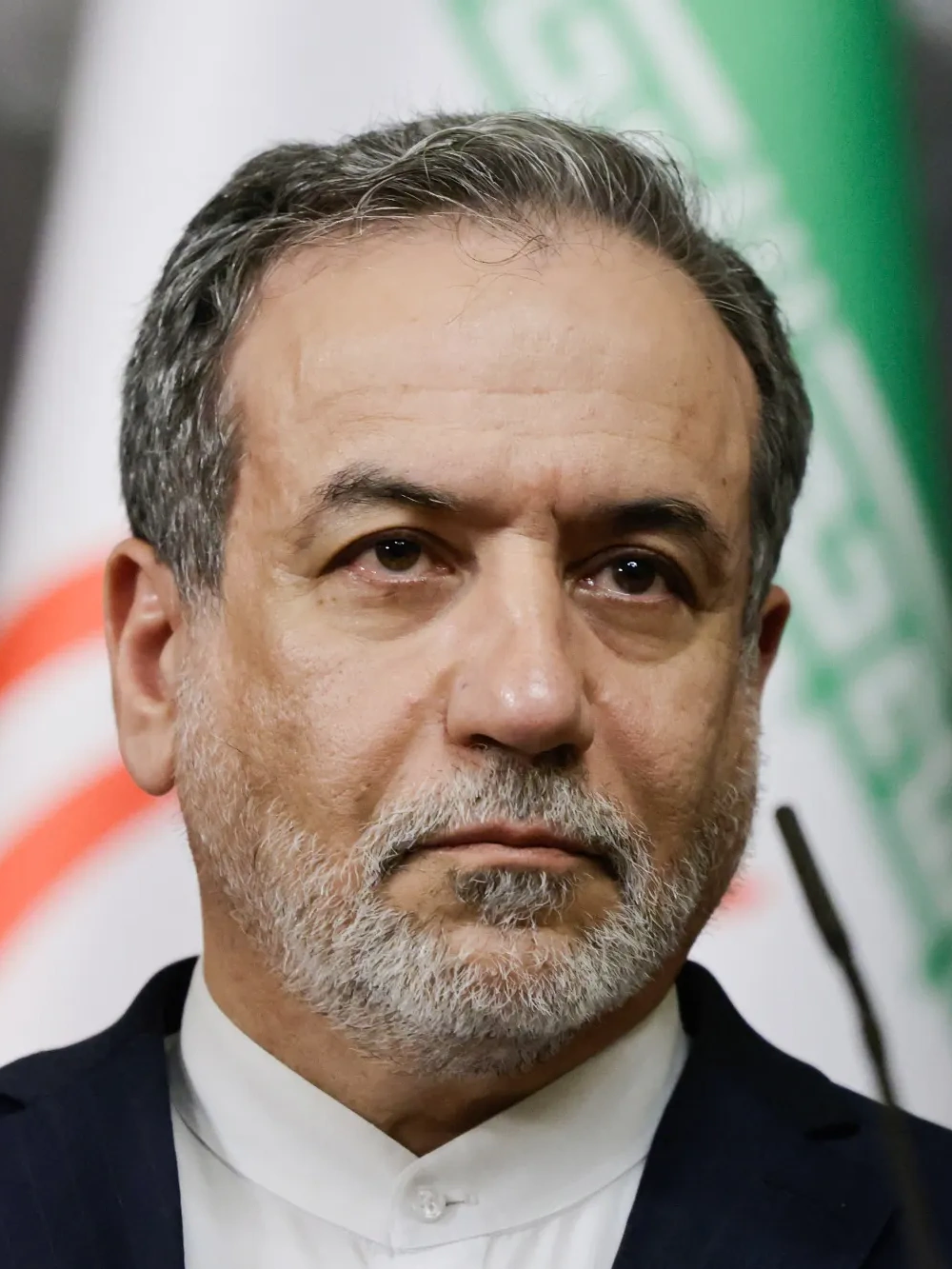
Attr: Bloomberg
| 7 Quotes | |
| Known as | Abbas Araqchi |
| Native name | عباس عراقچی |
| Occup. | Diplomat |
| From | Iran |
| Spouse | Bahareh Abdollahi |
| Born | December 5, 1962 Tehran, Imperial State of Iran |
| Age | 63 years |
| Cite | |
Citation Formats
APA Style (7th ed.)
Abbas araghchi biography, facts and quotes. (2026, February 26). FixQuotes. https://fixquotes.com/authors/abbas-araghchi/
Chicago Style
"Abbas Araghchi biography, facts and quotes." FixQuotes. February 26, 2026. https://fixquotes.com/authors/abbas-araghchi/.
MLA Style (9th ed.)
"Abbas Araghchi biography, facts and quotes." FixQuotes, 26 Feb. 2026, https://fixquotes.com/authors/abbas-araghchi/. Accessed 7 Apr. 2026.
Early Life and Background
Seyyed Abbas Araghchi was born in 1962 in Tehran, Iran, into a merchant family linked to the bazaar economy that has long underwritten clerical authority and urban conservatism. He came of age in the convulsions that remade Iran's state and society: the 1979 Revolution, the collapse of the monarchy, and the rapid construction of new institutions meant to fuse ideology, security, and governance. In that atmosphere, politics was not an abstract debate but an organizing condition of daily life, with slogans, ration lines, funerals, and factional newspapers shaping the civic mood.His early adulthood was defined by the Iran-Iraq War (1980-1988), a conflict that militarized a generation and hardened official suspicion toward external pressure. For Araghchi, the war years became a psychological template: survival through discipline, bargaining from weakness without conceding dignity, and an almost doctrinal belief that national cohesion is itself a strategic asset. The young men of his cohort learned that diplomacy and security were not competing realms but adjacent frontiers of the same struggle.
Education and Formative Influences
Araghchi studied at Shahid Beheshti University in Tehran and later pursued advanced diplomatic training abroad, earning a PhD in political science from the University of Kent in the United Kingdom. That combination mattered: he absorbed Iran's post-revolutionary intellectual ecosystem - where law, theology, and revolutionary legitimacy interlock - while also internalizing the procedural rationality of Western diplomatic and academic culture. The result was a negotiator fluent in the language of treaties and verification while remaining rooted in the Islamic Republic's red lines and security narrative.Career, Major Works, and Turning Points
Araghchi rose through Iran's Foreign Ministry as a specialist in sensitive files, serving in senior roles including ambassador to Finland and Japan and, crucially, as deputy foreign minister for legal and international affairs. He became one of Iran's principal nuclear negotiators, working first under the early 2010s talks and then as a key member of the team that concluded the 2015 Joint Comprehensive Plan of Action (JCPOA) with the P5+1 and the EU. After the US withdrawal from the JCPOA in 2018, his portfolio again centered on crisis management, sanctions diplomacy, and the attempt to preserve state capacity under economic siege. In 2024 he was appointed foreign minister, inheriting a region strained by Gaza, Red Sea tensions, and escalating Iran-Israel hostilities, with diplomacy expected to signal resolve without tipping into open war.Philosophy, Style, and Themes
Araghchi's public philosophy frames diplomacy as a sovereignty-protecting craft rather than a gesture of goodwill. “Negotiation means dialogue, not dictation, and we reject anything based on dictates”. The line captures his core posture: Iran can bargain, even extensively, but must be seen to bargain as an equal. This is not only ideology; it is psychological self-defense against the humiliation narrative that revolutionary elites believe toppled the old order. In his rhetoric, refusing "dictation" becomes a way to reassure domestic audiences that engagement is not capitulation.He also treats dialogue as a historical identity claim that converts pragmatism into principle. “Dialogue has always been, and remains, at the core of Iran's foreign policy, and you will not find a single example in history where Iran has violated this principle”. The absolutism is strategic: it casts Iran as patient and rational, shifting the burden of escalation onto opponents. Yet the same worldview admits an undercurrent of defiance shaped by sanctions and sabotage - a belief that technical capability and political will outlast coercion. “You can hit buildings and facilities but not knowledge and will”. In Araghchi's hands, the JCPOA era becomes a case study in conditional trust: agreements are possible, but only if they are enforceable, reciprocal, and protected from domestic political cycles in Washington.
Legacy and Influence
Araghchi's significance lies less in authorship than in institutional imprint: he helped professionalize Iran's nuclear diplomacy into a legalistic, detail-driven enterprise able to operate under extreme pressure, and he embodied a generation of technocrats who translate revolutionary legitimacy into international negotiation. His legacy will be measured by whether the Islamic Republic can keep diplomacy credible as both shield and instrument - maintaining channels with rivals, preventing miscalculation, and defending a model of state resilience that sees endurance itself as leverage.Our collection contains 7 quotes written by Abbas, under the main topics: Knowledge - Peace - Human Rights.
Source / external links