
Abbe Pierre Biography Quotes 14 Report mistakes
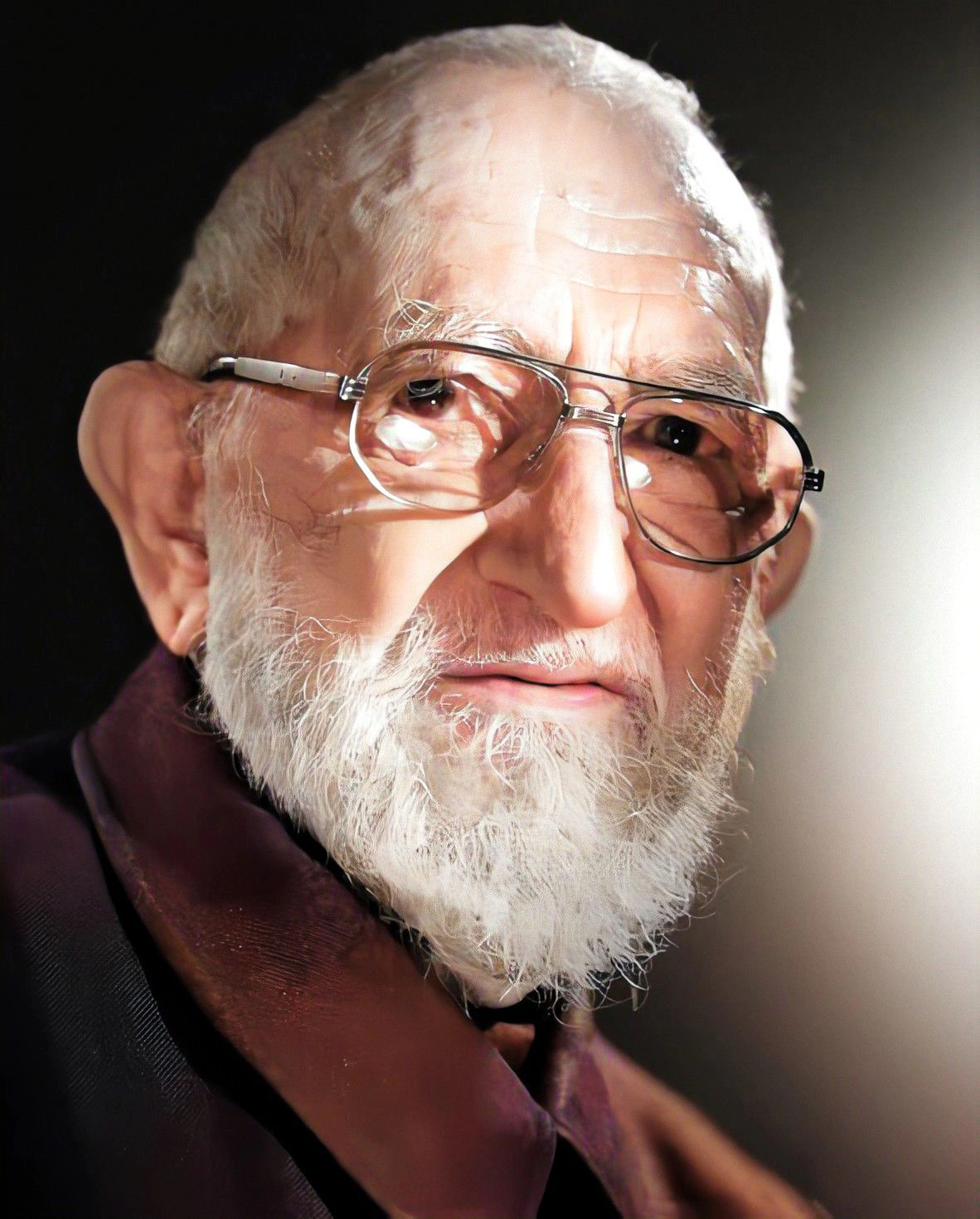
| 14 Quotes | |
| Born as | Henri Marie Joseph Grouès |
| Occup. | Priest |
| From | France |
| Born | August 15, 1912 Lyon, France |
| Died | January 22, 2007 Paris, France |
| Cause | Natural causes |
| Aged | 94 years |
| Cite | |
Citation Formats
APA Style (7th ed.)
Abbe pierre biography, facts and quotes. (2026, February 11). FixQuotes. https://fixquotes.com/authors/abbe-pierre/
Chicago Style
"Abbe Pierre biography, facts and quotes." FixQuotes. February 11, 2026. https://fixquotes.com/authors/abbe-pierre/.
MLA Style (9th ed.)
"Abbe Pierre biography, facts and quotes." FixQuotes, 11 Feb. 2026, https://fixquotes.com/authors/abbe-pierre/. Accessed 28 Mar. 2026.
Early Life and Background
Henri Marie Joseph Groues, later known worldwide as Abbe Pierre, was born on 15 August 1912 in Lyon, France, into a prosperous bourgeois family whose Catholic piety shaped the household rhythms of prayer, charity, and civic duty. He grew up between the security of privilege and the moral unease it could provoke in a France still marked by the 1905 separation of Church and state, where Catholicism remained a powerful social force yet often stood suspected in republican politics.From adolescence he carried a double sensibility that would define his inner life: a contemplative streak drawn to silence and vows, and a restless empathy sharpened by the sight of exclusion in cities hit by the aftershocks of World War I and the Great Depression. He later spoke plainly about the moral lever of his origins - “I came from a wealthy family. I made over my share of the estate to various charities”. That renunciation was not theatrical; it became a recurring method for translating conscience into material help.
Education and Formative Influences
Educated in Catholic schools and formed by scouting, he encountered a decisive model of radical Christian poverty in the figure of Francis of Assisi, a discovery he would describe as a conversion of imagination and will - “The process of my transformation came to a head with my discovery of St. Francis of Assisi during a pilgrimage I went on with a scout troop from my school”. In 1931 he entered the Capuchin Franciscans, taking the name Brother Philippe; years of cloistered discipline and prayer intensified his sense that faith without solidarity was hollow, even as recurring illness - including lung problems - repeatedly reminded him of bodily limits and the urgency of mercy.Career, Major Works, and Turning Points
Ordained a priest in 1938 after leaving the Capuchins, he served in Grenoble and soon entered the moral furnace of World War II: under occupation he joined the French Resistance, helped Jews and persecuted people escape, and became a symbol of clandestine charity with forged papers and dangerous crossings. After liberation he briefly entered politics as a deputy in the National Assembly (1945-1951), using the platform to defend displaced persons and the poor; later he explained the logic of this unusual step - “After the war, prompted by the Cardinal Archbishop of Paris, I entered Parliament so that a priest could speak out for the poor, as canon law at that time still permitted”. His enduring work began in 1949 when he founded the Emmaus movement, first in the Paris region, creating communities where the homeless could rebuild life through shared work, companionship, and the sale of reclaimed goods; the bitter winter of 1954 turned him into a national conscience when his radio appeal after the death of a woman on the streets triggered an outpouring of donations and the rapid expansion of emergency housing, hostels, and advocacy.Philosophy, Style, and Themes
Abbe Pierre spoke in a language stripped of clerical varnish: direct, urgent, and practical. His ethics were incarnational - salvation had to be made visible in shelter, bread, papers, and rights. He distrusted mere religiosity and pressed for an active Christianity that joined prayer to political and economic responsibility: “It's not enough to attend church and pray every Sunday; you have to act”. The line captures his psychological motor - an inability to tolerate the comfort of virtue when people were cold, alone, or treated as surplus.His inner world was also shaped by a paradoxical intimacy with weakness. Chronic illness and exhaustion did not soften his drive; they sharpened it, as if suffering stripped away illusion and left only essentials: “Illness has always brought me nearer to a state of grace”. That spirituality made room for hope as a discipline rather than a mood - not optimism, but stubborn fidelity to the dignity of the excluded. In public he cultivated a rough-hewn authenticity - cape, beard, and a voice that sounded like a warning - yet in private he relied on community, silence, and ritual to keep anger from hardening into contempt.
Legacy and Influence
He died on 22 January 2007, but Emmaus endured as a global network spanning dozens of countries, and his 1954 appeal remains a touchstone in French social memory, cited whenever winter deaths expose the failures of housing policy. Abbe Pierre helped normalize the idea that a priest could be both contemplative and insurgent, and that charity must include structural critique: he forced public institutions, believers, and secular citizens alike to ask what a society owes those it leaves outside the door. His posthumous reputation has been complicated by later controversies, yet his central legacy persists in the practical grammar he taught France - that compassion is measurable, and that dignity begins with a place to live.Our collection contains 14 quotes written by Abbe, under the main topics: Motivational - Wisdom - Justice - Hope - Faith.
Abbe Pierre Famous Works
- 2001 Testament... (Book)
Source / external links