
Abe Lemons Biography Quotes 9 Report mistakes
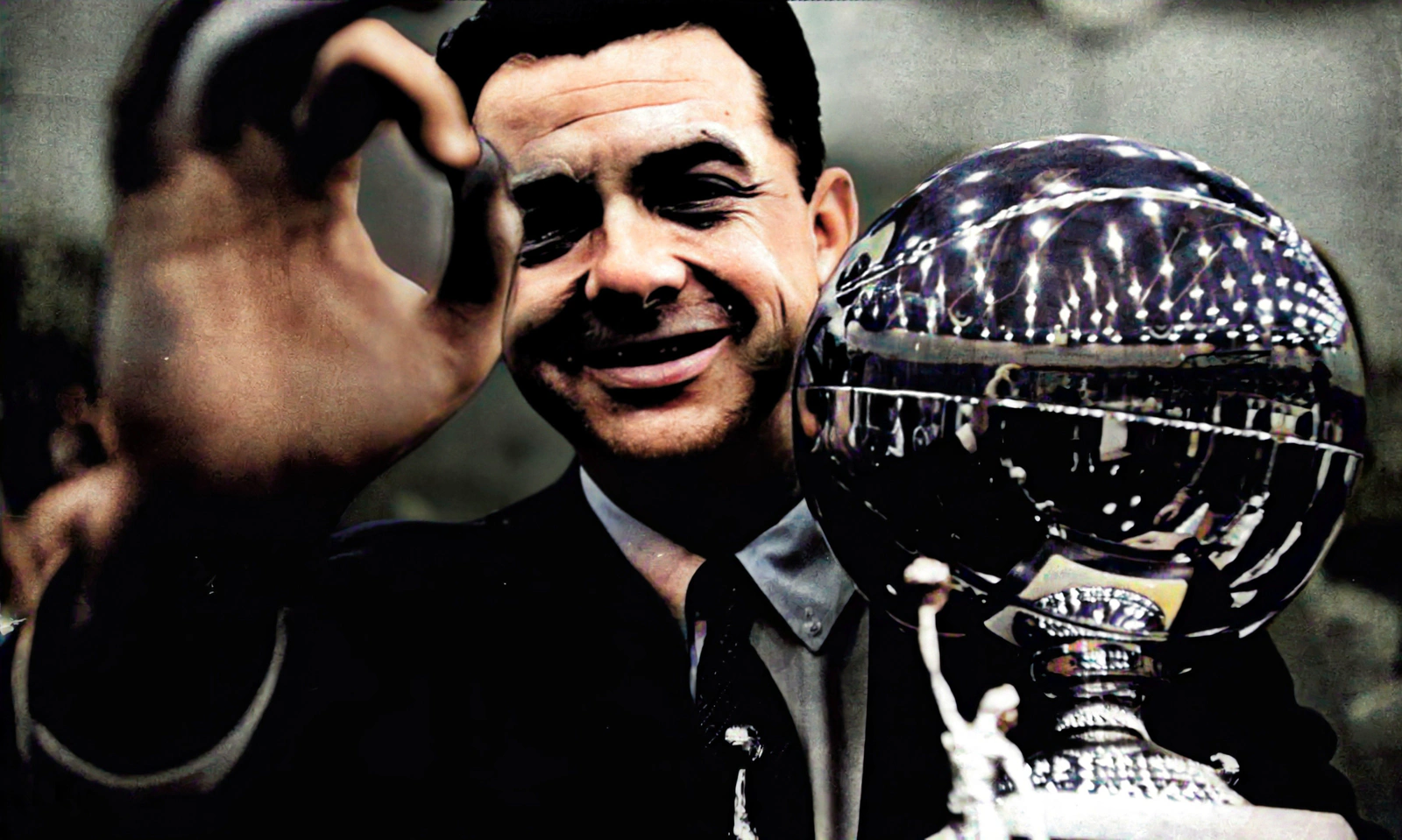
| 9 Quotes | |
| Born as | Marvin Lemons |
| Occup. | Coach |
| From | USA |
| Born | November 21, 1922 USA |
| Died | September 2, 2002 USA |
| Cause | Natural Causes |
| Aged | 79 years |
| Cite | |
Citation Formats
APA Style (7th ed.)
Abe lemons biography, facts and quotes. (2026, February 11). FixQuotes. https://fixquotes.com/authors/abe-lemons/
Chicago Style
"Abe Lemons biography, facts and quotes." FixQuotes. February 11, 2026. https://fixquotes.com/authors/abe-lemons/.
MLA Style (9th ed.)
"Abe Lemons biography, facts and quotes." FixQuotes, 11 Feb. 2026, https://fixquotes.com/authors/abe-lemons/. Accessed 29 Mar. 2026.
Early Life and Background
Marvin "Abe" Lemons was born on November 21, 1922, in Oklahoma City, Oklahoma, and grew up during the lean years when the Depression and then wartime mobilization made practicality a virtue and humor a survival skill. In a region where basketball gyms doubled as community centers, the game offered order, wit, and a public test of competence - the very mix Lemons would later turn into a coaching identity built on plain talk, timing, and a keen read of people.He carried an everyman sensibility into adulthood: part small-town raconteur, part hard-nosed competitor, and always alert to the absurdities that cluster around competition. Even in his later fame, he projected a workingman's skepticism toward posturing and jargon. That posture was not an affectation so much as a biography - a life formed in the middle of the country, in an era that prized results, self-control, and the ability to take a joke when the ball bounced wrong.
Education and Formative Influences
Lemons played college basketball at Oklahoma City University, where he absorbed an older, fundamentals-first approach: spacing, rebounding, defensive accountability, and the belief that a team is less a diagram than a social organism. The postwar coaching world was still dominated by strong personalities and clear hierarchies, and Lemons learned early that authority is earned daily - in the gym, in the film room, and in the way a coach talks to players when no reporters are listening.Career, Major Works, and Turning Points
After paying his dues in the coaching ranks, Lemons broke through as a head coach with the American Basketball Association's Dallas Chaparrals and later the Utah Stars, winning the 1971 ABA championship with Utah - a title that showcased his blend of discipline and freedom, letting talent play while demanding hard, repeatable habits. He then became best known in college basketball: he revived the University of Texas program in the 1970s, coaching the Longhorns to the 1976 NCAA tournament and a 1977 NIT title, and later took on the pressure-cooker job at Oklahoma. At Oklahoma he guided the Sooners to multiple NCAA tournament appearances and reached the 1988 national championship game, where his team fell to Kansas in one of the era's signature title contests. Across these stages, his "major works" were not books but seasons - the slow construction of locker-room belief, the cultivation of tough guards and resilient big men, and a steady record of winning without turning himself into a myth.Philosophy, Style, and Themes
Lemons coached as if the sport were a morality play performed at full speed: simple in premise, brutal in execution, and always revealing character. He distrusted choreography for its own sake and favored players who could improvise under pressure. “I don't have any tricky plays, I'd rather have tricky players”. The line sounds like a punchline, but it is also a personnel philosophy - recruit and develop decision-makers, then hold them accountable for decisions. His best teams mirrored that creed: they played with a clear structure, yet relied on craft, timing, and nerve when the game dissolved into scramble.His humor, often barbed, functioned as a psychological tool - a way to puncture fear and vanity at once. “One day of practice is like one day of clean living. It doesn't do you any good”. Behind the laugh sits his central demand: repetition is not virtue signaling; it is the only reliable path to poise, and poise is what survives loud arenas and late-game chaos. Even his reduction of basketball to essentials was a statement about attention and truth in an overcomplicated world: “There are really only two plays: Romeo and Juliet, and put the darn ball in the basket”. In Lemons' mind, the game was never an academic exercise; it was a test of whether people could execute the obvious when the obvious was hard.
Legacy and Influence
Lemons died on September 2, 2002, but his influence persists in the coaching vernacular: the wisecracks that double as principles, the insistence that recruiting and relationships matter as much as tactics, and the enduring suspicion of systems that ignore human nature. He belongs to a lineage of American coaches who treated basketball as craft rather than theory, and who understood that players listen longer when truth is delivered with timing. In an era that increasingly professionalized and televised the sport, Lemons remained a reminder that the core job never changed - teach the game, manage the people, and, when it matters most, put the darn ball in the basket.Our collection contains 9 quotes written by Abe, under the main topics: Witty One-Liners - Doctor - Training & Practice - Coaching - Retirement.
Source / external links