
Adam Weishaupt Biography Quotes 20 Report mistakes
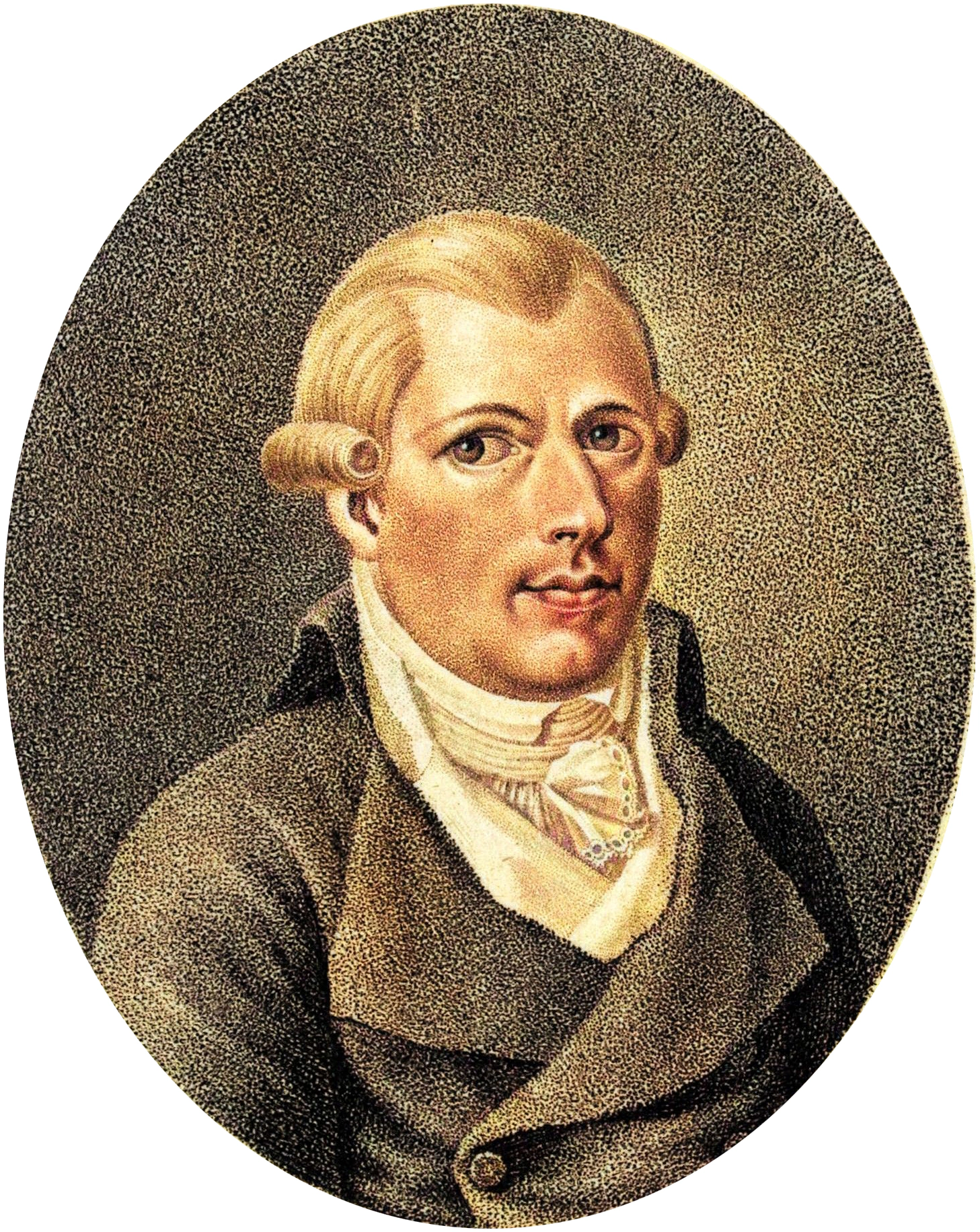
Attr: Friedrich Rossmassler
| 20 Quotes | |
| Occup. | Clergyman |
| From | Germany |
| Born | February 6, 1748 Ingolstadt, Bavaria, Germany |
| Died | November 18, 1830 Gotha, Saxe-Gotha-Altenburg, Germany |
| Cause | Natural Causes |
| Aged | 82 years |
| Cite | |
Citation Formats
APA Style (7th ed.)
Adam weishaupt biography, facts and quotes. (2026, February 11). FixQuotes. https://fixquotes.com/authors/adam-weishaupt/
Chicago Style
"Adam Weishaupt biography, facts and quotes." FixQuotes. February 11, 2026. https://fixquotes.com/authors/adam-weishaupt/.
MLA Style (9th ed.)
"Adam Weishaupt biography, facts and quotes." FixQuotes, 11 Feb. 2026, https://fixquotes.com/authors/adam-weishaupt/. Accessed 25 Mar. 2026.
Early Life and Background
Adam Weishaupt was born on February 6, 1748, in Ingolstadt in the Electorate of Bavaria, a Catholic stronghold where the University of Ingolstadt had long been shaped by Jesuit pedagogy and by the confessional anxieties of post-Reformation Europe. He grew up in an era when rulers tried to rationalize administration and education while fearing irreligion, and when the public sphere was expanding through journals, reading societies, and the new prestige of "philosophy" as a tool of statecraft.Orphaned young, Weishaupt was taken in by the jurist Johann Adam von Ickstatt, a leading Bavarian reformer who embodied "enlightened" ambitions inside a still-devout polity. That household placed him close to the tension that would define his adult life: the desire to modernize morals and knowledge while navigating institutions that treated dissent as disorder. His early formation was thus both clerical and anti-clerical in impulse - shaped by Catholic structures, yet increasingly impatient with what he saw as inherited prejudice and arbitrary authority.
Education and Formative Influences
Weishaupt studied at the University of Ingolstadt and moved through a curriculum steeped in scholastic discipline while absorbing the wider European Enlightenment - French philosophes, natural-law theory, and the era's confidence in education as social engineering. In 1772 he became professor of canon law (and later of practical philosophy), a remarkable ascent that followed the suppression of the Jesuit order in 1773 and the reorganization of Bavarian intellectual life; the collapse of one powerful clerical monopoly created space for a younger, more programmatic reformer to imagine a different kind of moral authority.Career, Major Works, and Turning Points
On May 1, 1776, Weishaupt founded the Order of the Illuminati in Ingolstadt, initially as a small circle of students designed to cultivate disciplined virtue, mutual surveillance, and gradual influence within state and society. The order expanded quickly, recruiting educated men and networking through existing Masonic lodges - especially after the arrival of the organizer and polemicist Adolph von Knigge in the early 1780s - and it developed a hierarchical system of grades, reports, and pseudonyms meant to mold character and align ambition with a reforming program. Bavarian authorities, alarmed by secrecy amid wider European unrest, issued edicts against unauthorized societies (1784-1785), seized papers, and portrayed the group as subversive; Weishaupt was dismissed from his chair and fled Bavaria. Under the protection of Duke Ernst II of Saxe-Gotha-Altenburg, he lived in exile in Gotha and wrote defenses and explanations such as "Apologie der Illuminaten" and "Einige originale Schriften des Illuminatenordens", while his name became a magnet for conspiracy literature that far exceeded his actual reach.Philosophy, Style, and Themes
Weishaupt's inner life reads as a contest between moral idealism and managerial suspicion. He believed people were improvable, but he also believed improvement required structure, secrecy, and patient psychological shaping - a stance that made his reformism look, to enemies and sometimes to allies, like manipulation. His model was less the romantic rebel than the administrator of souls: a clergyman's concern for conscience fused to an Enlightenment professor's trust in systems. The order's paperwork - character sketches, self-reports, and plans for staged instruction - reveals a temperament drawn to classification, incremental training, and the belief that private virtue could be engineered into public benefit.At the center was an educational creed: “The first task of the association must therefore be to form the young members”. That sentence discloses both pastoral care and strategic calculation, treating youth as a moral raw material before habit hardens and before church and court fully claim allegiance. He framed his mission as rational piety rather than nihilism, insisting that superstition and prejudice were psychological clouds that institutions exploited - “This is the great object held out by this association; and the means of attaining it is illumination, enlightening the understanding by the sun of reason which will dispell the clouds of superstition and of prejudice”. Yet his skepticism about mass credulity could turn acerbic, as in his grim astonishment at social suggestion: “Oh mortal man, is there anything you cannot be made to believe?” In that impatience lies his tragedy: he wanted emancipation through reason, but he feared the very public he sought to improve, and so he built a pedagogy that looked like control.
Legacy and Influence
Weishaupt died on November 18, 1830, in Gotha, having outlived both the order's brief life and the political panic that destroyed it, but not the myth that replaced it. Historically, the Illuminati were a late-Enlightenment reform project - part educational society, part moral fraternity, part network for influence - with real archives and real ambitions, yet constrained by the authoritarian limits of Bavaria and the volatility of the 1780s. Culturally, his afterlife is larger: Weishaupt became a symbol onto which modern anxieties about secrecy, elites, and ideological contagion are projected, even as scholars point back to the documentary record of a professor-clergyman who tried to turn Enlightenment into disciplined practice and found that the methods of reform can themselves resemble the coercions they oppose.Our collection contains 20 quotes written by Adam, under the main topics: Ethics & Morality - Wisdom - Justice - Leadership - Freedom.
Source / external links