
Adela Zamudio Biography Quotes 5 Report mistakes
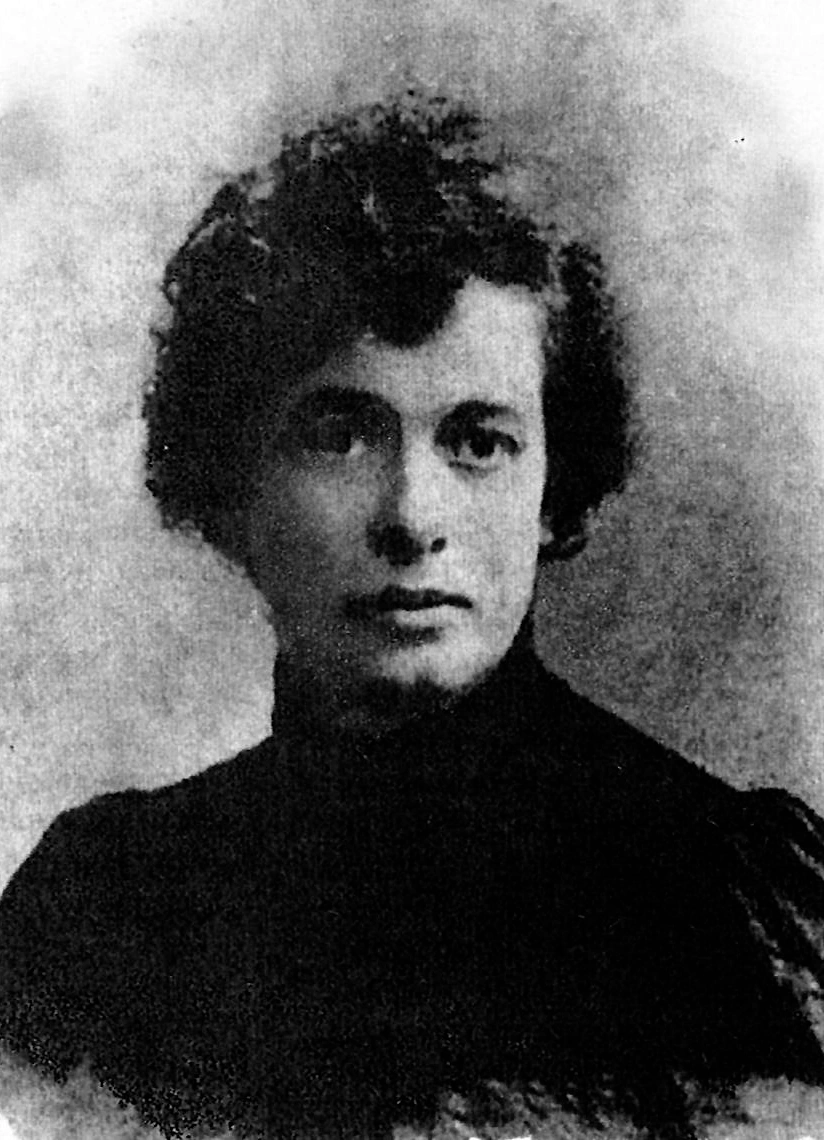
| 5 Quotes | |
| Born as | Paz Juana Plácida Adela Rafaela Zamudio Ribero |
| Occup. | Poet |
| From | Bolivia |
| Born | October 11, 1854 Cochabamba, Cochabamba Department, Bolivia |
| Died | June 2, 1928 Cochabamba, Bolivia |
| Aged | 73 years |
| Cite | |
Citation Formats
APA Style (7th ed.)
Adela zamudio biography, facts and quotes. (2026, March 7). FixQuotes. https://fixquotes.com/authors/adela-zamudio/
Chicago Style
"Adela Zamudio biography, facts and quotes." FixQuotes. March 7, 2026. https://fixquotes.com/authors/adela-zamudio/.
MLA Style (9th ed.)
"Adela Zamudio biography, facts and quotes." FixQuotes, 7 Mar. 2026, https://fixquotes.com/authors/adela-zamudio/. Accessed 27 Mar. 2026.
Early Life and Background
Adela Zamudio - born Paz Juana Placida Adela Rafaela Zamudio Ribero in Cochabamba in 1854 - entered a republic still young, stratified, and fiercely patriarchal. Bolivia in her lifetime was marked by caudillo politics, clerical authority, racial hierarchy, and the instability that followed independence; it was also a country where formal education for girls remained narrow and domestic. Zamudio grew up in a family of relative cultural standing, one that allowed literacy and intellectual curiosity to take root, but not without limits imposed by custom. From the start, her life was shaped by the contradiction that would define her work: she belonged to a society that admired refinement in women while distrusting female autonomy.That tension sharpened her sensibility early. She wrote from youth, absorbed the speech, pieties, hypocrisies, and silences of provincial elite life, and learned to observe how authority disguised itself as morality. Choosing not to marry, she placed herself outside the expected female script, a decision that was both practical and philosophical. It spared her some domestic subordination, but it also made her vulnerable to suspicion in a culture that measured women by obedience. The result was a temperament at once lyrical and combative - capable of tenderness, but unwilling to sentimentalize injustice.
Education and Formative Influences
Zamudio did not pass through a broad, modern university formation; like many 19th-century Latin American women of letters, she was largely self-fashioned through reading, teaching, and close observation of society. Romantic poetry, liberal anticlerical currents, and the emerging realist critique of social institutions all left traces on her imagination. She worked as an educator and came to see schooling as the decisive battlefield for women’s dignity, not simply because literacy opened careers, but because it altered the internal life - self-respect, judgment, and the courage to dissent. The pseudonym "Soledad", which she used in some early publications, suggests both the isolation of a woman writing against convention and a cultivated inwardness that fed her art. Her formative influences were therefore not only literary but civic: the classroom, the church's social reach, the law's exclusion of women, and the lived spectacle of female intelligence being patronized or contained.Career, Major Works, and Turning Points
By the 1880s and 1890s Zamudio had emerged as one of Bolivia's most distinctive literary voices, publishing poetry, journalism, and fiction that tested the moral assumptions of her age. Her poems circulated widely, but her notoriety also came from prose and polemic. The poem "Nacer hombre" became a landmark feminist indictment of legal and political inequality, while her novel "Intimas" examined desire, marriage, and the social machinery that constricted women’s lives. She wrote essays and articles on religion, education, and civil rights that made her a public intellectual rather than merely a "lady poet". At the same time, she taught and later directed educational work for girls, turning literary rebellion into institutional action. These interventions brought admiration and backlash in equal measure: conservatives attacked her anticlericalism and independence, while younger reformers recognized in her a rare voice willing to connect private suffering with public structure. By the early 20th century she had become, in effect, a national conscience - controversial, isolated at times, but impossible to dismiss.Philosophy, Style, and Themes
Zamudio's writing is best understood as the meeting point of Romantic intensity and civic lucidity. She was drawn to the inner weather of longing, grief, vanity, and disillusion, yet she consistently asked who benefits from making such feelings appear natural. Her feminism was not abstract doctrine; it rose from concrete asymmetries in law, marriage, education, and reputation. In "Nacer hombre" she condensed a whole political order into a devastating irony: “A brute votes on election day; / he is a man, and that's the rule. / Yet brilliant women have no say”. The line is memorable not only for its argument but for its emotional mechanism - indignation sharpened by wit. Elsewhere she anatomized the masculine pursuit of prestige built on female erasure: "Thirsting in the desert of ambition, / in search of recognition he holds dear, / a man stands at the threshold of glory; / to his wife he says, "Stand back and stay here"". Her psychology was exacting: domination persisted not just through force but through daily habits of condescension.Yet she was never merely satirical. Beneath the public critic stood a poet of exposed inwardness, alert to the theater by which people conceal pain from themselves. “In the dance of the world / our joy / is a dazzling garment / of fantasy / we use to cover / the hidden sadness / we repress”. That image reveals why her work still feels modern: she understood social life as performance and emotional life as partly masked, fractured, and defensive. Even her anticlericalism was less a rejection of spiritual hunger than a refusal of institutions that sanctified submission. Her style moved between lyric compression, conversational directness, and a caustic clarity unusual in her milieu. She wrote as someone for whom beauty was not decoration but a vehicle for moral exposure - a way to make hypocrisy audible and loneliness intelligible.
Legacy and Influence
Adela Zamudio died in 1928, but by then she had already become a foundational figure in Bolivian letters and one of the earliest major feminist voices in the Andes. Later generations claimed her as poet, educator, liberal critic, and precursor of women's civic equality. Schools, cultural institutions, and eventually a major Bolivian university would bear her name, confirming a transformation she herself helped make possible: the movement of women from symbolic reverence to intellectual authority. Her legacy endures because she joined literary talent to social diagnosis. She did not simply ask that women be praised; she asked that they be treated as minds, citizens, and makers of history. That demand, articulated in poetry of unusual force, gave Bolivia one of its clearest early languages of modern female selfhood.Our collection contains 5 quotes written by Adela, under the main topics: Deep - Equality - Heartbreak - Husband & Wife - Sadness.
Source / external links