
Ahmed Ben Bella Biography Quotes 29 Report mistakes
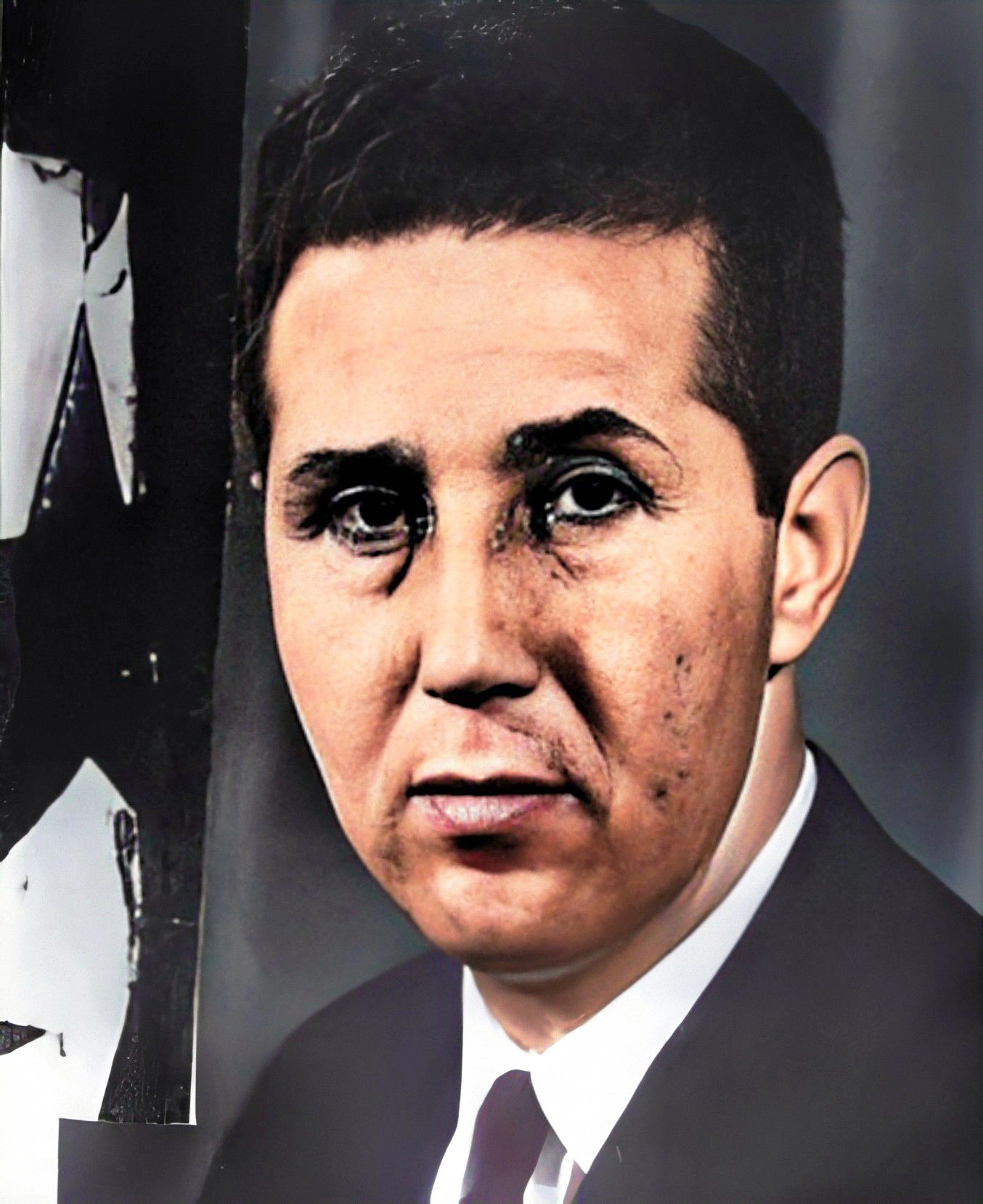
| 29 Quotes | |
| Occup. | Politician |
| From | Algeria |
| Born | December 25, 1918 Maghnia, Algeria |
| Died | April 11, 2012 Algiers, Algeria |
| Cause | Pneumonia |
| Aged | 93 years |
| Cite | |
Citation Formats
APA Style (7th ed.)
Ahmed ben bella biography, facts and quotes. (2026, February 11). FixQuotes. https://fixquotes.com/authors/ahmed-ben-bella/
Chicago Style
"Ahmed Ben Bella biography, facts and quotes." FixQuotes. February 11, 2026. https://fixquotes.com/authors/ahmed-ben-bella/.
MLA Style (9th ed.)
"Ahmed Ben Bella biography, facts and quotes." FixQuotes, 11 Feb. 2026, https://fixquotes.com/authors/ahmed-ben-bella/. Accessed 23 Mar. 2026.
Early Life and Background
Ahmed Ben Bella was born on December 25, 1918, in Maghnia, near the Moroccan border in western Algeria, then a colony embedded in France's "departements" but ruled through sharp legal inequality. His family were Algerians of Moroccan origin, small farmers and traders whose daily life moved between Arabic, French administration, and the precarious dignity of work under settler dominance. The borderland setting mattered: Maghnia was a place where identity was lived as geography, and where the state felt both omnipresent and distant.As a young man he encountered the colonial order not as an abstraction but as a ceiling: limited political voice, racialized citizenship, and the humiliations of routine bureaucracy. Yet he also absorbed the virtues of patience, discipline, and communal obligation typical of village and small-town life. Early athletic success and sociability gave him confidence in public space, while the wider crisis of the 1930s and the coming war taught him that "normal" could collapse quickly, leaving only organization and will.
Education and Formative Influences
Ben Bella's formal schooling was modest, shaped by French colonial curricula and local realities, but his deeper education came through service and politics. He served in the French Army during World War II, fought in Italy, and received decorations that did not translate into equality at home - a lesson many North African veterans drew as they returned to discrimination and repression. In the 1940s he gravitated to Algerian nationalist circles, including the Parti du Peuple Algerien/MTLD milieu, and learned clandestine methods in the Organization Speciale, where discipline, secrecy, and the ethics of sacrifice were taught as practical skills rather than slogans.Career, Major Works, and Turning Points
His turning points were dramatic and public: after organizing underground action and fundraising, he was arrested by French authorities and later escaped, becoming one of the faces of armed independence. In 1956, in a landmark episode of the Algerian War, he and other FLN leaders were intercepted when French forces diverted their plane - an act that made him both prisoner and symbol. Released after the 1962 Evian Accords and independence, he rose quickly, becoming Algeria's first president in 1963, advocating a state-led, socialist-leaning project and mass mobilization through the FLN. His attempt to centralize authority and push revolutionary transformation collided with internal rivalries and the military's growing autonomy; in June 1965, Defense Minister Houari Boumediene deposed him in a coup. Ben Bella spent years in detention and house arrest, then lived in exile before returning to Algeria late in life, participating intermittently in political debate as a veteran conscience of the revolution.Philosophy, Style, and Themes
Ben Bella's inner life was forged in the paradox of a man validated by France's wartime medals yet radicalized by France's colonial refusal. He tended to narrate politics through beginnings and scale - how the seemingly impossible is built from small cells, trust, and persistence. “The liberation movement which I led in Algeria, the organization that I created to fight the French army, was at first a small movement of nothing at all. We were but some tens of people throughout Algeria, a territory that is five times the size of France”. The sentence is less boast than a psychological map: he believed history turns on organized minorities willing to endure loneliness, and he carried that faith into state-building, sometimes underestimating how quickly a revolutionary vanguard can harden into a new hierarchy.Ideologically, he tried to fuse Islam, Arab identity, and a third-world leftism that rejected strict doctrinal labels. “I am a Muslim Arab, in my actions oriented very to the left, in my convictions”. That self-description reveals his core method: to treat faith and social justice as mutually reinforcing, and to speak a moral language legible to villagers and internationalists alike. Yet the same worldview carried a foreboding about power's gravity. “Everywhere that the struggle for national freedom has triumphed, once the authorities agreed, there were military coups d'etat that overthrew their leaders. That is the result time and time again”. He framed his own overthrow not as personal tragedy but as a recurring pattern - a warning that independence does not end coercion, it merely relocates it.
Legacy and Influence
Ben Bella endures as both founding president and cautionary figure: a charismatic revolutionary who tried to translate guerrilla legitimacy into institutions, and who learned that armies born in liberation can become arbiters of the state. Internationally he remains associated with the 1960s Third World project - solidarity with anti-colonial movements, non-alignment, and a belief that sovereignty must include economic and social transformation. In Algeria, his memory is contested but durable: admired for embodying the war's sacrifice and the promise of 1962, criticized for early authoritarian tendencies, and cited - especially after later national traumas - as proof that the hardest battle begins after victory, when a lawful state must be built from the ruins of war.Our collection contains 29 quotes written by Ahmed, under the main topics: Ethics & Morality - Justice - Freedom - Life - Kindness.
Source / external links