
Al Spalding Biography Quotes 5 Report mistakes
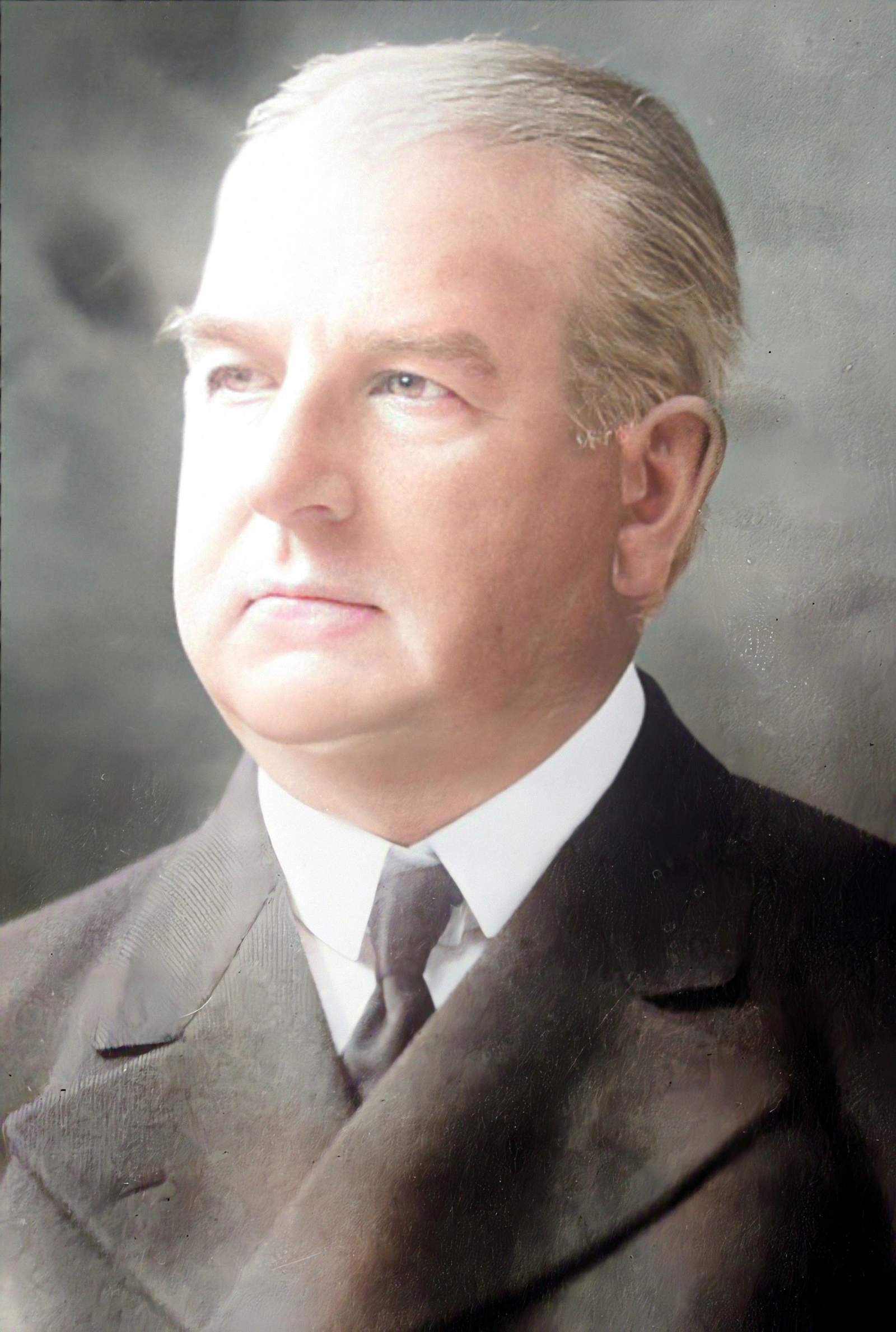
| 5 Quotes | |
| Born as | Albert Goodwill Spalding |
| Occup. | Athlete |
| From | USA |
| Born | September 2, 1850 Byron, Illinois |
| Died | September 9, 1915 San Diego, California |
| Aged | 65 years |
| Cite | |
Citation Formats
APA Style (7th ed.)
Al spalding biography, facts and quotes. (2026, February 11). FixQuotes. https://fixquotes.com/authors/al-spalding/
Chicago Style
"Al Spalding biography, facts and quotes." FixQuotes. February 11, 2026. https://fixquotes.com/authors/al-spalding/.
MLA Style (9th ed.)
"Al Spalding biography, facts and quotes." FixQuotes, 11 Feb. 2026, https://fixquotes.com/authors/al-spalding/. Accessed 12 Feb. 2026.
Early Life
Albert Goodwill Spalding was born on September 2, 1850, in Byron, Illinois. Growing up in the years when base ball was transforming from a pastime into an organized sport, he showed unusual coordination and competitive drive. As a teenager he starred for the Rockford Forest Citys, a club that helped launch several notable careers, including that of infielder Ross Barnes. The quickening pace of post, Civil War commercialization of sport created an opening for talented young players like Spalding, and he moved naturally from local acclaim to national notice.Rise to Professional Stardom
Spalding entered the professional ranks at the dawn of organized league play and quickly became the most celebrated pitcher of his day. Joining the Boston Red Stockings in 1871, he played under the pioneering manager Harry Wright and alongside stars George Wright and Ross Barnes. In an era of underhand pitching and evolving rules, he commanded games with control and stamina, piling up extraordinary win totals while contributing as a capable batsman. Boston became the dominant club of the National Association, and Spalding was central to its championships. Early on he adopted a padded glove on his non-throwing hand, helping to normalize a piece of equipment once dismissed as unmanly, a shift his later business would accelerate.Building the National League
In 1876 Spalding aligned with Chicago magnate William A. Hulbert to help found the National League, designed to stabilize the sport with stronger governance, scheduled play, and enforceable club obligations. Spalding left Boston for Hulbert's Chicago White Stockings and won the inaugural National League pennant. Even as he began to step away from the pitcher's box, he shaped the club's culture and business operations, emphasizing order, gate control, and a code of conduct intended to make professional base ball respectable to middle-class audiences. His influence was felt beyond the field as he advocated for organizational practices that would define big-league sport.Executive Leadership in Chicago
Retiring from regular play before age thirty, Spalding became the guiding executive of the Chicago team. He entrusted day-to-day field leadership to Adrian Cap Anson, whose long tenure as captain and manager coincided with Chicago's sustained prominence. Spalding served as a persuasive voice among club owners, resisting threats to the league's authority and economy. When the Brotherhood of Professional Base Ball Players, led by shortstop John Montgomery Ward, launched the Players League in 1890, Spalding emerged as a principal spokesman for National League interests. The revolt subsided after one season, and though the dispute left scars, it confirmed Spalding's clout in defining the business framework of the game.Entrepreneur and A.G. Spalding & Bros.
In 1876 Spalding and his brother J. Walter Spalding founded A.G. Spalding & Bros., a sporting-goods company that fused Albert's fame with retail ambition. Leveraging his credibility with fans and club officials, Spalding promoted standardized equipment, from bats and balls to gloves and protective gear. He secured league endorsements for the company's baseballs and built a network of stores and catalogs that reached players and schoolchildren alike. The firm's annual guides, carrying rules, statistics, and instructional essays, helped codify best practices and marketed the sport seamlessly with the brand. Competitors such as Al Reach's company pressed him in the marketplace, but Spalding's integrated approach kept his name synonymous with equipment quality.
Ambassador of the Game
Spalding thought about base ball not only as competition but also as cultural export. In 1888, 1889 he organized an ambitious world tour, sending two teams that included Chicago regulars and handpicked All-Americas, with Cap Anson among the central attractions. The troupe played exhibitions from North America across the Pacific and through parts of Australia, Asia, the Middle East, and Europe, staging matches, parades, and meetings with civic dignitaries. The trip promoted the game, generated a flood of press coverage, and, not incidentally, expanded recognition for the Spalding brand. It also conveyed an image of base ball as a disciplined, modern sport representing American vigor.Ideas, Advocacy, and Authorship
Spalding wrote and lectured on the meaning and organization of the game. He championed a distinctly American origin story, resisting the claims, supported by the influential writer and rules authority Henry Chadwick, that base ball descended from English rounders. Spalding sponsored an inquiry that came to be known as the Mills Commission, whose much-debated findings credited Abner Doubleday with inventing base ball. Although historians later rejected that conclusion, the episode illustrated Spalding's determination to frame the sport's narrative. His 1911 book, America's National Game, blended memoir, reportage, and argument, celebrating the game's growth and defending the institutional choices he had advocated since the 1870s.Standards, Equipment, and the Player's Craft
As both executive and manufacturer, Spalding advanced uniform standards for the ball and other gear, strengthened the authority of umpires, and supported consistent rules across leagues. By wearing a glove as a star pitcher and then selling improved models, he hastened the transition from bare-handed fielding to protected play. His guides influenced generations of players and coaches, while league-approved equipment reinforced the idea that performance and safety could be enhanced through design. Partnerships and rivalries with figures like Harry Wright and Al Reach kept innovation brisk, and Spalding's marketing acumen connected elite play to schoolyard aspiration.Later Years
Spalding eventually made his home in Southern California, continuing to oversee business affairs and to advise on baseball policy. Even away from daily club management, he remained a sought-after voice on rules, scheduling, and the sport's public image. He died on September 9, 1915, in San Diego, closing a career that had moved from brilliant pitcher to commanding executive to emblem of the sporting-goods industry.Legacy
Albert Goodwill Spalding's imprint on American sport is unusually broad. As a player, he set early standards for excellence and professionalism. As a club builder allied with William Hulbert and a field leader like Cap Anson, he helped stabilize major-league structure. As an entrepreneur with his brother J. Walter, he linked equipment, publishing, and promotion in ways that made baseball both a business and a national pastime. His advocacy, often contested by figures such as Henry Chadwick and John Montgomery Ward, sharpened debates that shaped labor relations, rules, and the game's own mythology. In 1939 he was inducted into the National Baseball Hall of Fame, a posthumous honor recognizing the totality of his contributions: athlete, executive, promoter, and storyteller of America's game.Our collection contains 5 quotes written by Al, under the main topics: Witty One-Liners - Sports.
Source / external links