
Alan Clark Biography Quotes 5 Report mistakes
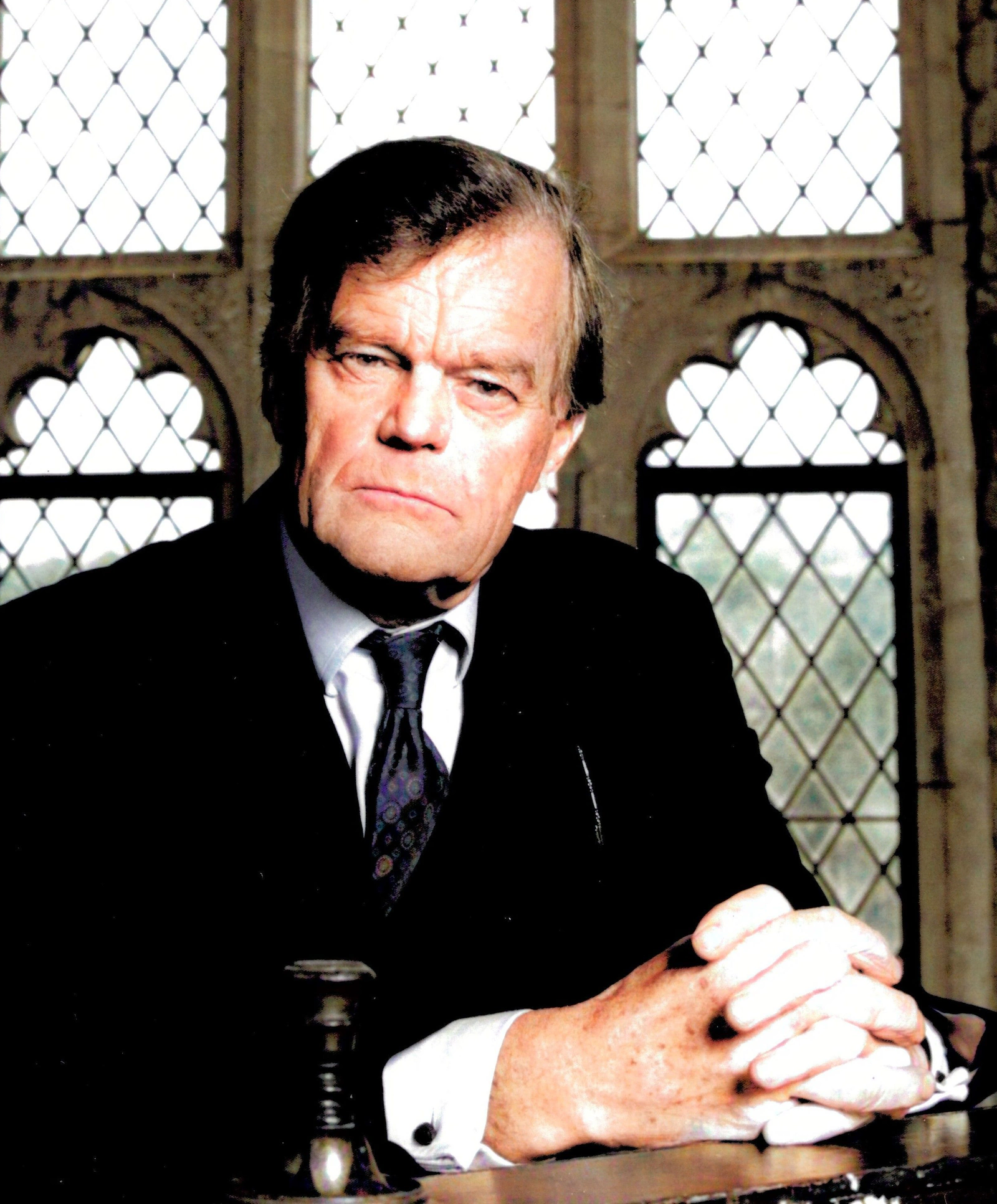
Attr: Open Media Ltd., CC BY-SA 4.0
| 5 Quotes | |
| Born as | Alan Kenneth Mackenzie Clark |
| Occup. | Politician |
| From | England |
| Spouse | (Caroline) Jane Beuttler |
| Born | April 13, 1928 London, England |
| Died | September 5, 1999 Saltwood, England |
| Aged | 71 years |
| Cite | |
Citation Formats
APA Style (7th ed.)
Alan clark biography, facts and quotes. (2026, February 27). FixQuotes. https://fixquotes.com/authors/alan-clark/
Chicago Style
"Alan Clark biography, facts and quotes." FixQuotes. February 27, 2026. https://fixquotes.com/authors/alan-clark/.
MLA Style (9th ed.)
"Alan Clark biography, facts and quotes." FixQuotes, 27 Feb. 2026, https://fixquotes.com/authors/alan-clark/. Accessed 28 Mar. 2026.
Early Life and Background
Alan Kenneth Mackenzie Clark was born on 13 April 1928 in England into a family where politics, money, and performance were inseparable. He was the son of Kenneth Clark, the eminent art historian and later creator of the BBC series Civilisation, and his upbringing moved between the privileges of country-house England and the public world of institutions, committees, and cultural power. From the start, Clark learned to read status the way others read weather - as something that could turn quickly, and as something to be managed with taste, nerve, and timing.
That early environment also trained a divided temperament: courtly on the surface, predatory underneath. He carried an inherited love of art and a cultivated, almost theatrical wit, yet he was drawn to the harsher mechanics of command - who wins, who falls, who controls the narrative after the fall. The England of his youth was shedding empire and rationing its future; Clark, formed by patrician self-confidence in an era of national contraction, developed a compensatory appetite for grandeur, certainty, and the pleasures of provocation.
Education and Formative Influences
Clark was educated at Eton and read history at Oxford, a pathway that fed both his sense of entitlement and his appetite for historical argument as a weapon. Oxford in the postwar years offered him a training in rhetoric and sources, but also in the clubbable cruelty of elite competition - a social schooling that made politics feel less like public service than like an intensified form of governing-class sport. He absorbed the idea that history is not merely studied but staged: personalities, interests, and vanity driving events as much as principle.
Career, Major Works, and Turning Points
He entered Conservative politics and became MP for Plymouth Sutton (1974-1992), later returning to Parliament for Kensington and Chelsea (1992-1999). A minister under Margaret Thatcher - notably as Minister of State at the Department of Trade and Industry and later at the Ministry of Defence - Clark made himself useful on defense procurement and force structure while simultaneously cultivating the role of brilliant dissenter. He was also a writer of unusual visibility for a serving politician: his book The Donkeys (1961) cemented a controversial reading of British generalship in World War I, and his multi-volume diaries, published from the early 1990s, turned the Westminster backstage into literature, fueling public fascination and intra-party rage. In the 1990s he was damaged by the "cash-for-questions" scandal; his admission that he had accepted payments for parliamentary lobbying ended his ministerial prospects, even as it sharpened his reputation as the most candid anatomist of the political class.
Philosophy, Style, and Themes
Clark's inner life is best understood as a tension between aesthete and operator. He wrote like a man who loved surfaces - uniforms, dining rooms, manners - yet distrusted them, always watching for the moment the mask slipped and power showed its teeth. His politics were Conservative but not devotional: he could idolize hierarchy and still relish the humiliation of its high priests. That ambivalence gave his prose its charge - clipped, image-rich, and mercilessly social - with contempt used not only as an instrument but as a form of intimacy, a way of proving he belonged close enough to see the flaws.
The recurring theme in his political worldview is that loyalty is provisional and downfall universal. “There are no true friends in politics. We are all sharks circling and waiting for traces of blood to appear in the water”. That sentence is less a slogan than a self-portrait: it admits fear as much as cynicism, the awareness that he too was always circling, always vulnerable. His humor often carried the chill of gallows knowledge - “There's nothing so improves the mood of the Party as the imminent execution of a senior colleague”. - a joke that exposes how status systems police themselves through sacrifice. Even his sense of career was fatalistic, almost elegiac about impermanence: “In the end, we are all sacked and it's always awful. It is as inevitable as death following life. If you are elevated, there comes a day when you are demoted. Even Prime Ministers”. Beneath the swagger sits a keen sensitivity to shame and demotion, the dread that the theater ends and the audience turns.
Legacy and Influence
Clark died on 5 September 1999, leaving behind a model of the politician-as-writer who reports from inside the machine with literary ambition and minimal self-censorship. His diaries helped reshape expectations of candor about Westminster, influencing later political memoirs and the public's appetite for procedural detail, personal motive, and institutional hypocrisy. At the same time, his career illustrates the late-20th-century British shift from deference to disclosure: a patrician figure who survived on wit and connections, yet was finally undone by the new politics of scrutiny - and remembered, above all, for making the ruling class readable in all its elegance, cruelty, and fear.
Our collection contains 5 quotes written by Alan, under the main topics: Witty One-Liners - Dark Humor - Nature - Career - Fake Friends.
Source / external links