
Alan Coren Biography Quotes 5 Report mistakes
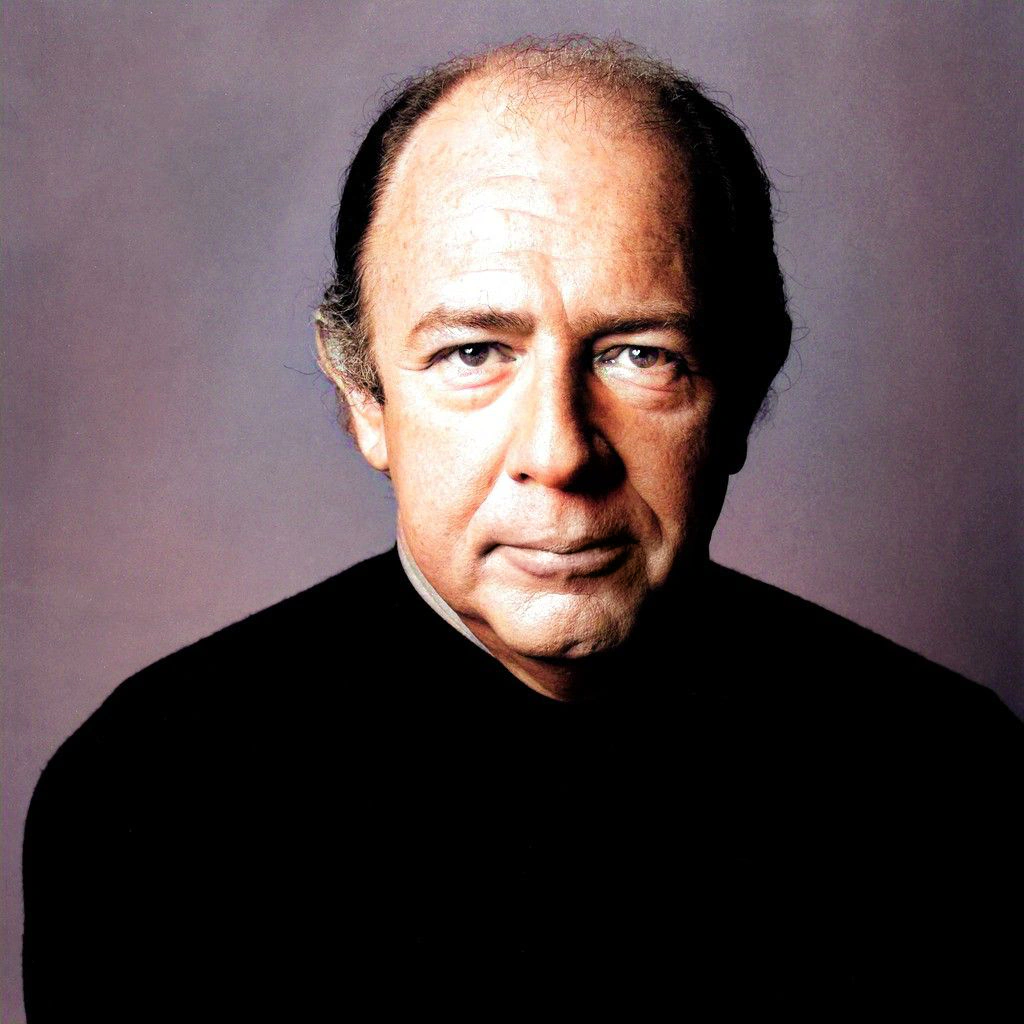
| 5 Quotes | |
| Occup. | Writer |
| From | United Kingdom |
| Spouse | Anne Kasriel (1963) |
| Born | June 27, 1938 Hackney, London, England |
| Died | October 18, 2007 London, England |
| Aged | 69 years |
| Cite | |
Citation Formats
APA Style (7th ed.)
Alan coren biography, facts and quotes. (2026, February 11). FixQuotes. https://fixquotes.com/authors/alan-coren/
Chicago Style
"Alan Coren biography, facts and quotes." FixQuotes. February 11, 2026. https://fixquotes.com/authors/alan-coren/.
MLA Style (9th ed.)
"Alan Coren biography, facts and quotes." FixQuotes, 11 Feb. 2026, https://fixquotes.com/authors/alan-coren/. Accessed 13 Feb. 2026.
Early Life and Background
Alan Coren was born on June 27, 1938, in Britain on the eve of a second world war that would reorder class, politics, and the national mood. He grew up in the long British aftermath - ration books giving way to consumer plenty, imperial certainty dissolving into managed decline, and a culture learning to laugh at itself in self-defense. That historical compression mattered: Coren would become one of the period's clearest comic witnesses, translating postwar anxieties into jokes sharp enough to cut yet familiar enough to console.From early on he possessed the temperament of the observant dissenter: an ear for how official language masked confusion, and a fondness for puncturing the big claims of institutions with small, stubborn facts. His comedy was rarely escapist; it was domestic, civic, and neurotically precise - the voice of a citizen forever noticing the rattle in the machinery. That sensibility, tuned to the ordinary and the bureaucratic, would later make him a quintessentially British satirist - amused, suspicious, and oddly tender beneath the scorn.
Education and Formative Influences
Coren read English at Keble College, Oxford, graduating into a Britain where mass media was reshaping literary life and where humor had become a serious instrument of cultural criticism. At Oxford he absorbed the traditions of comic prose and public argument - the essay as performance, the line as a weapon - while also forming a lifelong relationship with the rhythms of speech and the hypocrisies of public life. The university's mixture of high-mindedness and cant sharpened his radar for pomposity, and the post-Suez atmosphere of reduced national confidence pushed writers like Coren toward irony as both style and survival.Career, Major Works, and Turning Points
Coren made his name in British journalism and broadcasting, ultimately becoming editor of Punch (a post that placed him in the lineage of Victorian and Edwardian satirists even as the magazine struggled to define itself in late-20th-century media). He wrote with a columnist's tempo - weekly deadlines producing a rolling autobiography of public irritations - and his pieces were widely collected into books that preserved the voice: quick, argumentative, and full of plausible digressions that led, inevitably, to the punchline. A major turning point was his sustained presence on radio and television panel shows, where his persona - erudite, exasperated, theatrically indignant - turned prose wit into performative comedy and made him a recognizable public intellectual of the lighter sort. In 1991 he was appointed OBE. He died on October 18, 2007, leaving behind a body of work that helped define the tone of late-century British comic commentary.Philosophy, Style, and Themes
Coren's underlying philosophy was that modern life was not tragic so much as badly designed - an endless sequence of systems that promised rationality and delivered inconvenience. He distrusted grand political narratives and preferred to investigate how power sounded when it tried to appear friendly. "Democracy consists of choosing your dictators, after they've told you what you think it is you want to hear". That sentence captures his psychological stance: he was not a revolutionary, but a vigilant skeptic, someone who assumed persuasion was a form of ventriloquism and that the citizen's first duty was to notice the string.His style was conversational yet formally controlled, built from comic escalation and the deft substitution of literalism for piety. He treated technology and bureaucracy as mirrors of human vanity: our belief that we can engineer out stupidity only manufactures new varieties of it. "I wonder sometimes if manufacturers of foolproof items keep a fool or two on their payroll to test things". The joke is also a confession of kinship - Coren wrote as a man who felt himself both observer and participant in the national muddle, ridiculing the foolproof because he recognized the fool. And he saw mass media as the great accelerant of misplaced attention, a mechanism that replaced messy people with smooth images: "Television is more interesting than people. If it were not we should have people standing in the corner of our room". Beneath the wisecrack sits unease about loneliness, distraction, and the ways a modern home can feel crowded with everything except company.
Legacy and Influence
Coren endures as a model of the British comic essayist: principled without solemnity, socially attuned without fashion, and abrasive in a way that still implied fellowship. His work helped carry the traditions of Punch-era satire into the age of broadcast panels and mass-market columns, proving that serious intelligence could live comfortably inside a laugh. Later British humorists, columnists, and radio regulars drew from his blend of cultural literacy and contrarian impatience - a tone that treats public life as a series of avoidable indignities and insists, with exhilarating pedantry, on pointing them out.Our collection contains 5 quotes written by Alan, under the main topics: Witty One-Liners - Sarcastic.
Other people related to Alan: Simon Hoggart (Journalist)
Frequently Asked Questions
- Alan Coren call my bluff: Alan Coren was a regular team captain on the British TV show 'Call My Bluff'.
- What did Alan Coren die of? Alan Coren died of cancer.
- How old was Alan Coren? He became 69 years old
Alan Coren Famous Works
- 1988 Alan Coren's Sunday Best (Book)
- 1985 The Cricklewood Diet (Book)
- 1975 Golfing for Cats (Book)
- 1974 The Sanity Inspector (Book)
Source / external links