
Alan Hovhaness Biography Quotes 12 Report mistakes
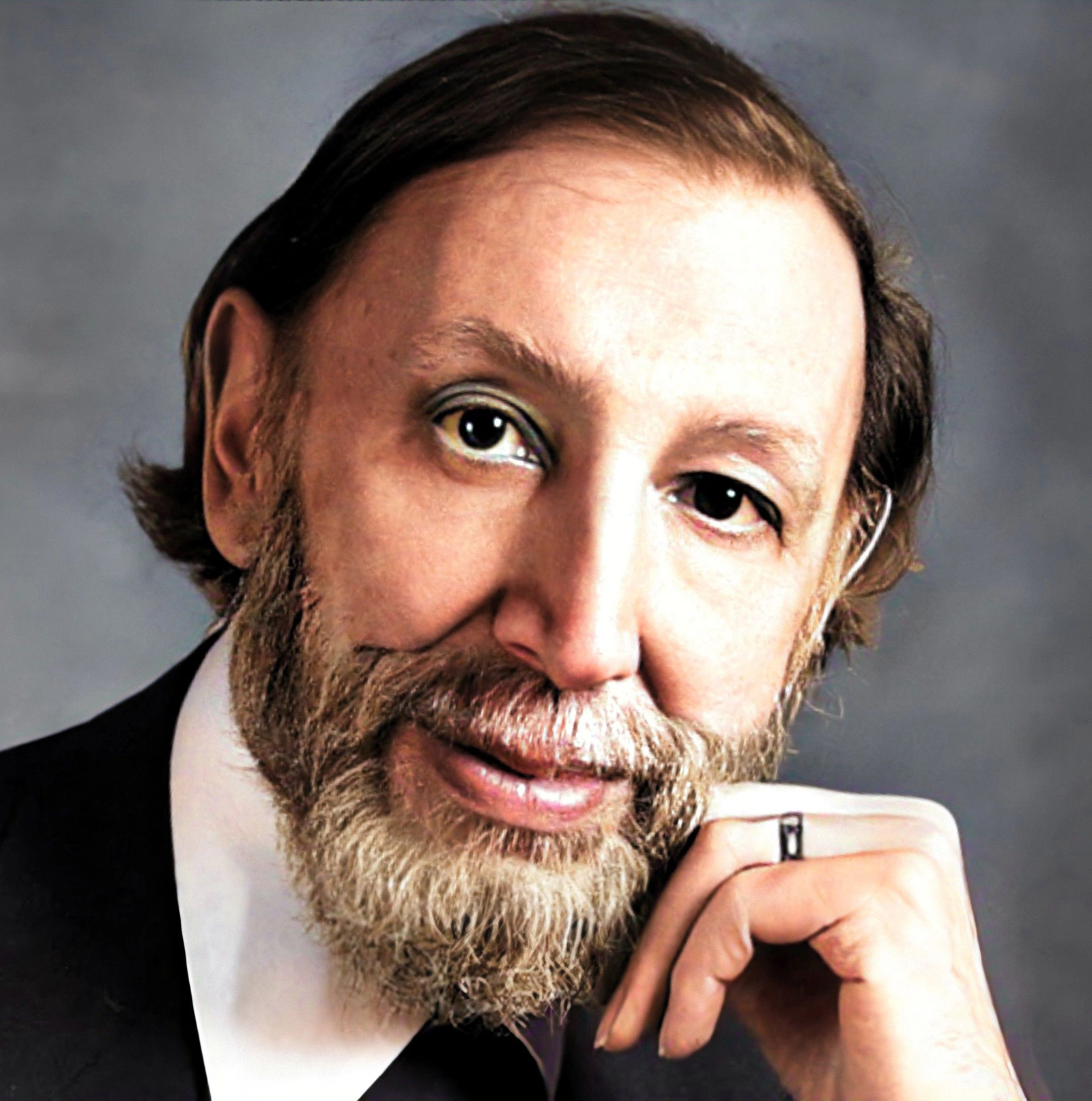
| 12 Quotes | |
| Born as | Alan Vaness Chakmakjian |
| Occup. | Composer |
| From | USA |
| Spouse | Mildred Edgerton Fierce |
| Born | March 8, 1911 Somerville, Massachusetts, USA |
| Died | June 21, 2000 Seattle, Washington, USA |
| Cause | Natural causes |
| Aged | 89 years |
| Cite | |
Citation Formats
APA Style (7th ed.)
Alan hovhaness biography, facts and quotes. (2026, February 11). FixQuotes. https://fixquotes.com/authors/alan-hovhaness/
Chicago Style
"Alan Hovhaness biography, facts and quotes." FixQuotes. February 11, 2026. https://fixquotes.com/authors/alan-hovhaness/.
MLA Style (9th ed.)
"Alan Hovhaness biography, facts and quotes." FixQuotes, 11 Feb. 2026, https://fixquotes.com/authors/alan-hovhaness/. Accessed 25 Mar. 2026.
Early Life and Background
Alan Hovhaness was born Alan Vaness Chakmakjian on March 8, 1911, in Somerville, Massachusetts, to an Armenian father, Haroutioun H. Chakmakjian, and a mother of Scottish descent, Madeleine Scott. He later adopted the surname Hovhaness, signaling a chosen alignment with Armenian heritage even as he remained a distinctly American artist, shaped by New England landscapes, church music, and the plural identities of immigrant Boston.His childhood stabilized in nearby Arlington after an early move; as he recalled, “I was born in Somerville, but I don't remember very much about it because we moved from there to Arlington when I was five years old, and it was in Arlington that I spent most of my childhood”. The sense of being both rooted and in transit never left his music: it would become a lifelong practice of making home in sound, whether through modal hymn-like melodies, mountain-breathing orchestration, or imagined geographies that answered to ancestry rather than passports.
Education and Formative Influences
He studied at the New England Conservatory in Boston, absorbing rigorous craft in composition while pursuing an early identity as a serious modern composer during a period when American music was arguing with itself about nationalism, European inheritance, and the avant-garde. Hovhaness listened hard to the Boston Symphony tradition, to counterpoint and fugue, and to the clarity of earlier sacred music, while privately turning toward Armenian modes and the spiritual gravity of the East. His formative years were not merely academic; they were devotional, as he searched for a language that could sound ancient without becoming antiquarian.Career, Major Works, and Turning Points
Hovhaness emerged in the 1930s and 1940s as a prolific composer who would eventually produce a vast catalog, including dozens of symphonies and concertos, chamber works, and choral pieces. A crucial turning point was his decision to discard large portions of his early output, remaking himself through a disciplined, almost ascetic self-editing that paralleled his spiritual aims. National visibility came most famously with Symphony No. 2, "Mysterious Mountain" (1955), a work that brought his luminous string writing and slow-breathing counterpoint to a wide audience and fixed his reputation as a singular voice outside the dominant mid-century schools. He continued composing into old age, dying on June 21, 2000, in Seattle, Washington, after decades of steady work that treated composition less as careerist ascent than as daily practice.Philosophy, Style, and Themes
Hovhaness built his inner life around belonging, purification, and revelation. He spoke candidly about the emotional pull of ancestry, admitting that “I found a greater identity with my own emotions in the Armenian culture as I grew older, as well as from the beginning, although I didn't know anything about it”. That sentence reads like autobiography and method at once: the music often behaves as if it is remembering what the mind never learned, drawing on modal inflections, chant-like contour, and an unhurried pacing that suggests ritual rather than argument. In an era that prized novelty as proof of seriousness, he pursued sincerity as proof of truth.His sound-world is frequently described as mystical, but its mysticism is concrete: mountains, wind, bells, and slow-moving light. “I've always regarded nature as the clothing of God”. The line clarifies why his orchestration often feels like weather - sustained string halos, woodwind calls, and brass chorales that rise like terrain - and why his climaxes can resemble vistas rather than victories. Equally revealing is the severity with which he judged his own past: “There were periods when I sometimes made fires in a large, open fireplace that lasted about two weeks, which was how long it took to burn my compositions. So there has been an awful lot that I have destroyed”. The destruction was not theatrics; it was a psychological necessity, an attempt to clear away ego and fashion so that what remained could serve a more impersonal radiance.
Legacy and Influence
Hovhaness left a paradoxical legacy: an American composer who became globally minded without surrendering lyric simplicity, and a modern artist who resisted modernist dogma while still sounding unmistakably of the 20th century. "Mysterious Mountain" endures in concert halls as an entry point, but his broader influence is heard in later composers drawn to spiritual minimalism, modal harmony, and ecological or landscape-inspired orchestration. His life models a stubborn alternative to the century's ideological battles - a belief that new music could be new by becoming old again, and that authenticity might be measured not by rupture but by resonance.Our collection contains 12 quotes written by Alan, under the main topics: Music - Training & Practice - Mother - Human Rights - God.
Source / external links