
Alan Rudolph Biography Quotes 12 Report mistakes
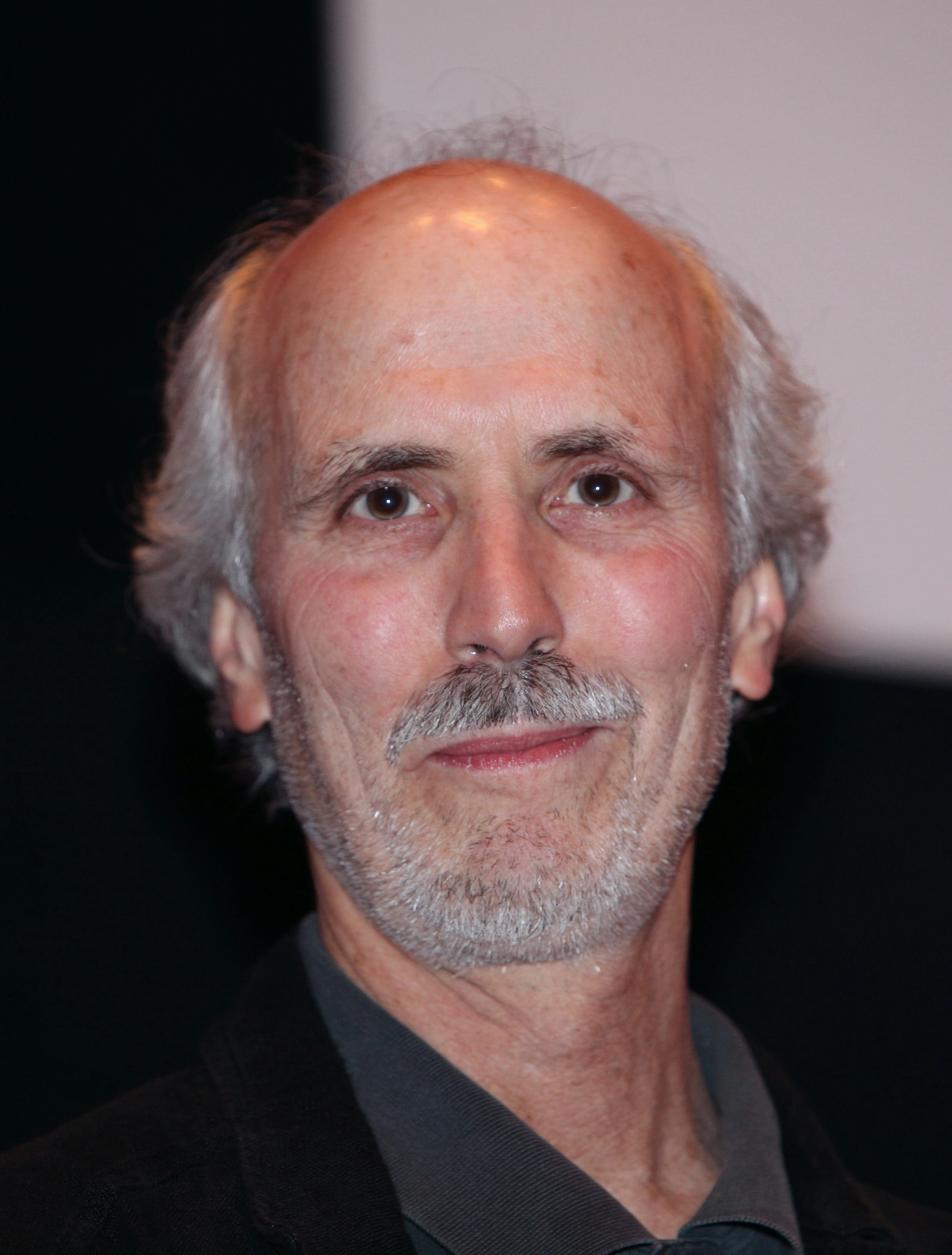
Attr: Petr Novák, Wikipedia
| 12 Quotes | |
| Born as | Alan Steven Rudolph |
| Occup. | Director |
| From | USA |
| Born | December 18, 1943 Los Angeles, California, USA |
| Age | 82 years |
| Cite | |
Citation Formats
APA Style (7th ed.)
Alan rudolph biography, facts and quotes. (2026, March 4). FixQuotes. https://fixquotes.com/authors/alan-rudolph/
Chicago Style
"Alan Rudolph biography, facts and quotes." FixQuotes. March 4, 2026. https://fixquotes.com/authors/alan-rudolph/.
MLA Style (9th ed.)
"Alan Rudolph biography, facts and quotes." FixQuotes, 4 Mar. 2026, https://fixquotes.com/authors/alan-rudolph/. Accessed 5 Mar. 2026.
Early Life and Background
Alan Steven Rudolph was born on December 18, 1943, in the United States, a wartime baby who came of age as American cinema was shifting from studio certainty to New Hollywood restlessness. His work would later feel like a private conversation conducted in public - intimate, sidelong, and alert to the ways people perform themselves - but its roots sit in a broader postwar culture where mass entertainment, television, and advertising taught Americans to speak in slogans while feeling in fragments.Rudolphs early life is best understood less as a march toward celebrity than as an apprenticeship in observation. The America he absorbed was full of surfaces - cars, diners, neon, celebrity voices - yet his films return again and again to what leaks through those surfaces: hesitation, odd tenderness, the stray sentence that reveals a whole history. Even before he had a signature, he had a fixation: how people improvise identity under social pressure, and how moments of honesty can arrive like accidents.
Education and Formative Influences
Rudolphs decisive formation came through work rather than diplomas: he entered professional filmmaking in the orbit of director Robert Altman, serving as an assistant director and learning how a film set can be both disciplined and loose, technically exact and emotionally porous. Altman offered a model for ensemble storytelling, overlapping speech, and a camera that listens as much as it looks - an approach Rudolph would adapt into something more romantic, more theatrical, and more haunted by loneliness, shaped by the broader 1970s break from classical Hollywood and the early 1980s collision between auteur ambition and corporate marketplace logic.Career, Major Works, and Turning Points
Rudolph transitioned from Altman collaborator to distinctive auteur with a run of features that made his name among critics and cinephiles even as mainstream success proved elusive. He directed Welcome to L.A. (1976), a mosaic of yearning and performance; Remember My Name (1978), a noir-tinted study of obsession with Geraldine Chaplin; and a series of 1980s films that refined his sensibility, including Choose Me (1984), Trouble in Mind (1985), The Moderns (1988), and Love at Large (1990). A major turning point was his growing emphasis on mood, speech rhythms, and dream logic over conventional plot propulsion - a choice that won devotion from actors and a cult audience while often placing him at odds with commercial expectations, especially as independent film economics tightened in the 1990s and beyond.Philosophy, Style, and Themes
Rudolphs cinema is preoccupied with people mid-invention - lovers, drifters, artists, and talkers trying to audition for a life that fits. He treats dialogue as choreography and everyday gesture as revelation, a sensibility that aligns with his belief that “So one of the most unique things on screen in American movies today is everyday behavior”. This is not naturalism for its own sake; it is an ethics of attention. The small act - a pause before a lie, a laugh that doesnt land, a hand that reaches then withdraws - becomes the true plot, because it is where a character stops performing and starts confessing without meaning to.His inner world, as implied across his filmography, is simultaneously romantic and suspicious: romantic about connection, suspicious about the stories people tell to survive. That tension is captured in his assertion, “Human identity is the most fragile thing that we have, and it's often only found in moments of truth”. Many Rudolph protagonists circle truth the way dancers circle a partner, fearful of the contact that might change them. Underneath, there is also a political and cultural alertness to manipulation - how public language can numb private conscience - reflected in the warning, “It's part of the general global hypnotism to accept lies as the new truth”. In Rudolph, style is never mere style: the heightened color, the nocturnal cityscapes, the jazzlike cadences are ways of showing a society half-asleep, and the individual struggling to wake.
Legacy and Influence
Alan Rudolph endures as a directors director - a cinephiles touchstone whose films model how to build a personal universe inside commercial cinema. He helped carry forward the Altman-era lessons of ensemble texture while forging a more intimate, off-kilter romanticism that influenced later independent filmmakers drawn to talk, mood, and emotional ambiguity over plot machinery. If his career also illustrates the difficulty of sustaining idiosyncratic artistry in an industry increasingly organized around branding, that struggle itself has become part of his legend: Rudolph as a maker of films that insist human beings are stranger than categories, and that the truest drama is often the quiet moment when someone finally stops acting.Our collection contains 12 quotes written by Alan, under the main topics: Ethics & Morality - Truth - Puns & Wordplay - Sarcastic - Work Ethic.
Other people related to Alan: Linda Fiorentino (Actress), Jane Smiley (Writer)
Source / external links