
Albert Meltzer Biography Quotes 1 Report mistakes
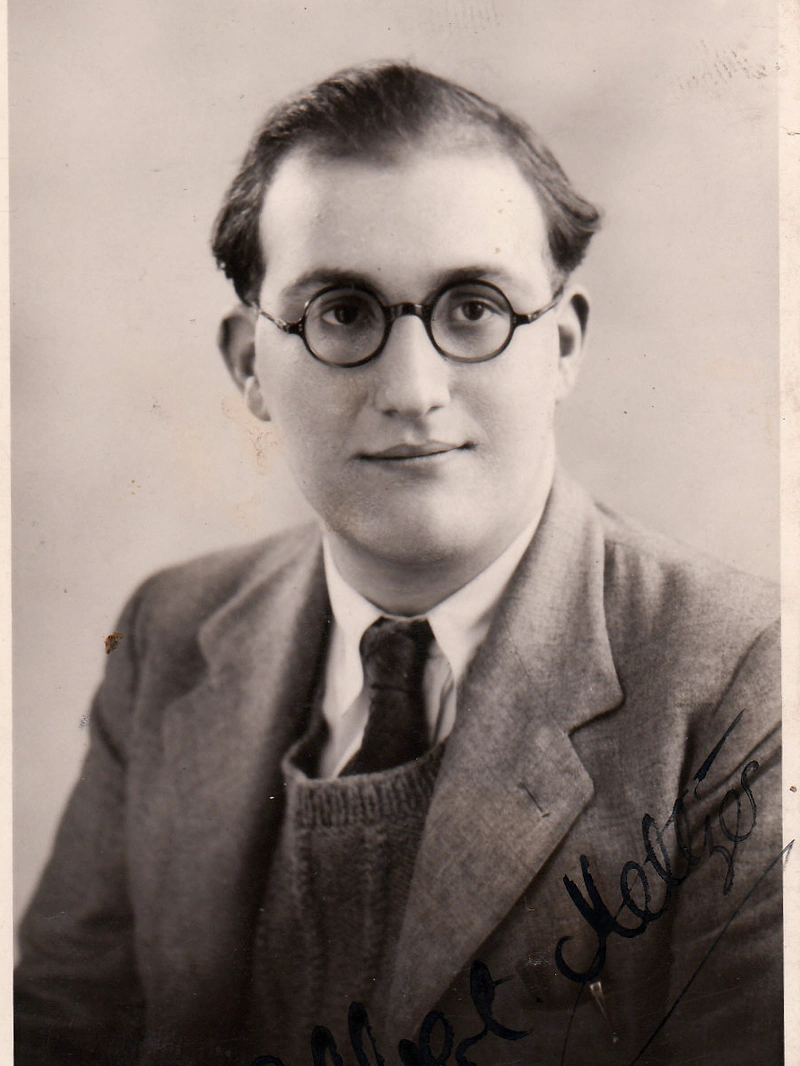
| 1 Quotes | |
| Occup. | Activist |
| From | United Kingdom |
| Born | January 7, 1920 Hackney, London, England |
| Died | May 7, 1996 Weston-super-Mare, Somerset, England |
| Aged | 76 years |
| Cite | |
Citation Formats
APA Style (7th ed.)
Albert meltzer biography, facts and quotes. (2026, February 11). FixQuotes. https://fixquotes.com/authors/albert-meltzer/
Chicago Style
"Albert Meltzer biography, facts and quotes." FixQuotes. February 11, 2026. https://fixquotes.com/authors/albert-meltzer/.
MLA Style (9th ed.)
"Albert Meltzer biography, facts and quotes." FixQuotes, 11 Feb. 2026, https://fixquotes.com/authors/albert-meltzer/. Accessed 25 Mar. 2026.
Early Life and Background
Albert Meltzer was born on January 7, 1920, in London, in a Britain still marked by the aftershocks of World War I, mass unemployment, and street-level political combat between fascists and their opponents. The interwar years offered him an early education in power: not an abstraction but something felt in bailiffs, police, and the casual humiliations of poverty. He grew up as an English Jew in a city where the British Union of Fascists tried to turn economic fear into racial violence, and where anti-fascism was as much a neighborhood practice as a party program.As a teenager he gravitated toward working-class radical milieus that distrusted both parliamentary reform and the authoritarian left. The Spanish Civil War arrived not as distant foreign news but as the defining moral test of the decade, and for Meltzer it became a lifelong reference point: a revolution betrayed by internal repression as well as external enemies. That early sense that state power could strangle its own ostensible allies - and that courage needed organization, not slogans - set the tempo of his activism.
Education and Formative Influences
Meltzer was shaped less by formal schooling than by pamphlets, meetings, and friendships in London anarchist circles, absorbing the older British libertarian tradition associated with figures like Peter Kropotkin and the direct-action syndicalists. The practical anti-fascism of the 1930s, the lessons drawn from Barcelona and the CNT-FAI, and the bitter accounts of Stalinist repression within the Republican zone all informed his suspicion of vanguardism. He learned to read politics as lived experience: who controlled workplaces, who commanded prisons, and who claimed the right to speak for others.Career, Major Works, and Turning Points
After World War II he became a central organizer and writer in British anarchism, known for energetic polemic, tireless correspondence, and an emphasis on international solidarity. He helped found and sustain the long-running paper Black Flag, and later the Anarchist Black Cross and the Anarchist Black Cross (UK) milieu, focusing on political prisoners, legal defense, and practical support rather than rhetorical purity. Meltzer also became a key English-language advocate for Spanish anarchist veterans in exile and for libertarian prisoners under Franco, keeping the memory of the 1936 revolution alive while arguing that anarchism had to be more than nostalgia. His memoir The Anarchist Concern (later expanded as I Couldn't Paint Golden Angels) distilled decades of disputes, setbacks, and small victories into a portrait of movement life as it actually felt: fractured, funny, exhausting, and stubbornly humane.Philosophy, Style, and Themes
Meltzer's anarchism was hard-edged and anti-mystical. He distrusted the romanticization of defeat, yet he also refused consoling myths about inevitable progress. His bleak wit could be summarized in his own line: “Optimism is inevitably the last hope of the defeated”. The sentence reveals a psychology forged by repeated loss - Spain, postwar compromises, crushed strikes, prison solidarities that did not always win - and also a refusal to let hope become a substitute for strategy. He preferred clarity to uplift, arguing that people act not because history guarantees victory but because dignity demands it.Stylistically, he wrote like an organizer: brisk, argumentative, full of names, factions, and concrete proposals. His themes recur: solidarity as material practice (money raised, letters written, lawyers paid), anti-fascism as community defense, and anti-authoritarianism as a stance against both state and party bureaucracy. He prized the capacity to keep working with imperfect comrades, and he viewed prisons as the state in miniature - a place where moral language collapses into commands and compliance unless challenged from the outside. Underneath the polemic lay an ethic of loyalty to the vulnerable: the anonymous prisoner, the exile, the rank-and-file worker whose politics are formed by necessity rather than doctrine.
Legacy and Influence
Meltzer died on May 7, 1996, leaving an imprint disproportionate to any official position: he was a connective tissue figure, linking postwar British anarchism to Spanish revolutionary memory and to day-to-day prisoner support. Black Flag and associated networks helped shape a strand of UK anarchism that emphasized direct action, anti-fascist vigilance, and internationalism without party patronage. His writings remain valuable less as theory than as a record of how movements survive - through logistics, argument, humor, and the refusal to abandon people when the headlines move on.Our collection contains 1 quotes written by Albert, under the main topics: Optimism.
Source / external links