
Alden Nowlan Biography Quotes 3 Report mistakes
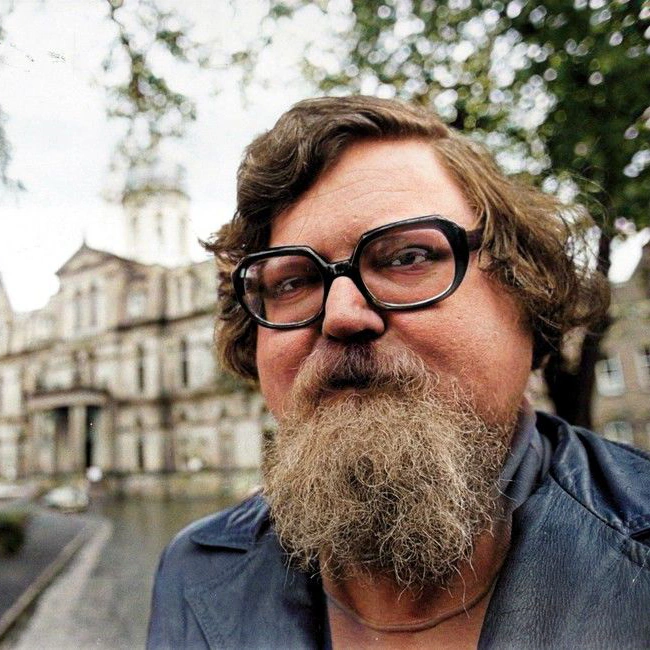
| 3 Quotes | |
| Born as | Alden Albert Nowlan |
| Occup. | Poet |
| From | Canada |
| Born | January 25, 1933 Stanley, Nova Scotia, Canada |
| Died | June 27, 1983 Fredericton, New Brunswick, Canada |
| Aged | 50 years |
| Cite | |
Citation Formats
APA Style (7th ed.)
Alden nowlan biography, facts and quotes. (2026, February 11). FixQuotes. https://fixquotes.com/authors/alden-nowlan/
Chicago Style
"Alden Nowlan biography, facts and quotes." FixQuotes. February 11, 2026. https://fixquotes.com/authors/alden-nowlan/.
MLA Style (9th ed.)
"Alden Nowlan biography, facts and quotes." FixQuotes, 11 Feb. 2026, https://fixquotes.com/authors/alden-nowlan/. Accessed 6 Mar. 2026.
Early Life and Background
Alden Albert Nowlan was born on January 25, 1933, in rural Nova Scotia, into a world pinched by the long shadow of the Depression and the social aftershocks that still gripped Atlantic Canada. His childhood was defined by scarcity and by a hard-earned intimacy with work: farms, woods, and the small economies of barter and seasonal labor that kept families afloat. The landscape that later filled his poems - thin soil, stubborn weather, the blunt talk of working people - was not a literary pose but the literal ground under his feet.Poverty in Nowlan's youth was not only material but cultural: few books, little leisure, and strong local codes about pride and silence. Those conditions bred both endurance and a sharp sensitivity to humiliation, a theme that would recur as he wrote about class, shame, and the longing to be taken seriously without betraying where he came from. From the beginning he absorbed the double vision of the rural poor - at once fiercely rooted and constantly reminded of how easily the wider world could dismiss them.
Education and Formative Influences
Nowlan had little formal schooling and was largely self-taught, educating himself through voracious reading and the discipline of writing whenever he could steal time. The radio, newspapers, and borrowed books became gateways, and he learned early how language could be both refuge and weapon - a way to name what his community endured, and a way to leave it without pretending it had not shaped him. That autodidact formation mattered: it gave his work an unvarnished directness, suspicious of refinement for its own sake, yet hungry for the reach that art could provide.Career, Major Works, and Turning Points
After early jobs and restless movement typical of young men from marginal rural economies, Nowlan built a working life in journalism in New Brunswick, a field that sharpened his eye for the ordinary and the newsworthy in the same frame. He emerged nationally as part of the postwar flowering of Canadian literature, publishing poetry, stories, novels, and plays that insisted Atlantic experience was not a regional footnote but a central human drama. His best-known poetry collection, Bread, Wine and Salt (1967), helped cement his reputation for plainspoken intensity and moral clarity, while later books and stage work broadened his audience without dulling his edge. A major turning point was his sustained commitment to write about rural poverty from inside it, not as social scenery but as lived psychology - a commitment that brought both acclaim and the recurring fear, in his own work, of being treated as an exception rather than evidence.Philosophy, Style, and Themes
Nowlan's work is powered by an ethic of unsentimental compassion. He wrote as someone who had seen how quickly respectability can be withheld, and how class can become an invisible border inside the same country. His sense of social estrangement is captured in the blunt reminder, “Being a foreigner is not a disease”. For Nowlan, "foreigner" could mean immigrant, certainly, but also the rural poor in cities, the self-taught in credentialed rooms, the shy in a culture that rewards performance. He did not ask for pity; he asked for accuracy, and he distrusted any culture that medicalized difference to avoid confronting inequality.His style - conversational lineation, vivid concrete detail, sudden moral pivots - served a larger psychological inquiry: how to live with the knowledge of broken authority, broken promises, and one's own complicity. His observation about maturity, “The day the child realizes that all adults are imperfect, he becomes an adolescent; the day he forgives them, he becomes an adult; the day he forgives himself, he becomes wise”. , reads like a private map of survival. Many of his speakers hover in that middle country between indictment and forgiveness, trying to name the damage without making damage their identity. At the same time, he refused to let literary Canada congratulate itself for "discovering" poverty. His remark, “Offhand, the only North American writers I can think of who have come from a background of rural poverty and gone on to write about it have been Negroes”. , is not casual provocation but an indictment of which voices are permitted to turn hardship into art - and which are expected to leave it behind in exchange for entry.
Legacy and Influence
Nowlan died on June 27, 1983, but his work remains a reference point for writers seeking a language equal to class injury without melodrama and to regional life without tourist gloss. In Canadian poetry and theatre, he helped legitimate the everyday speech and moral complexity of Atlantic communities, modeling a literature that does not flatter its readers yet refuses to despise its subjects. His enduring influence lies in the way he joined craft to conscience: making poems and stories that feel spoken from a kitchen table, yet carry the weight of a nation still negotiating who gets to be heard, believed, and forgiven.Our collection contains 3 quotes written by Alden, under the main topics: Equality - Forgiveness - Human Rights.
Alden Nowlan Famous Works
- 1990 I Might Not Tell Everybody This (Collected Short Stories)
- 1967 Bread, Wine and Salt (Poetry Collection)
- 1961 An Exchange of Gifts (Poetry Collection)
Source / external links