
Alex Gibney Biography Quotes 10 Report mistakes
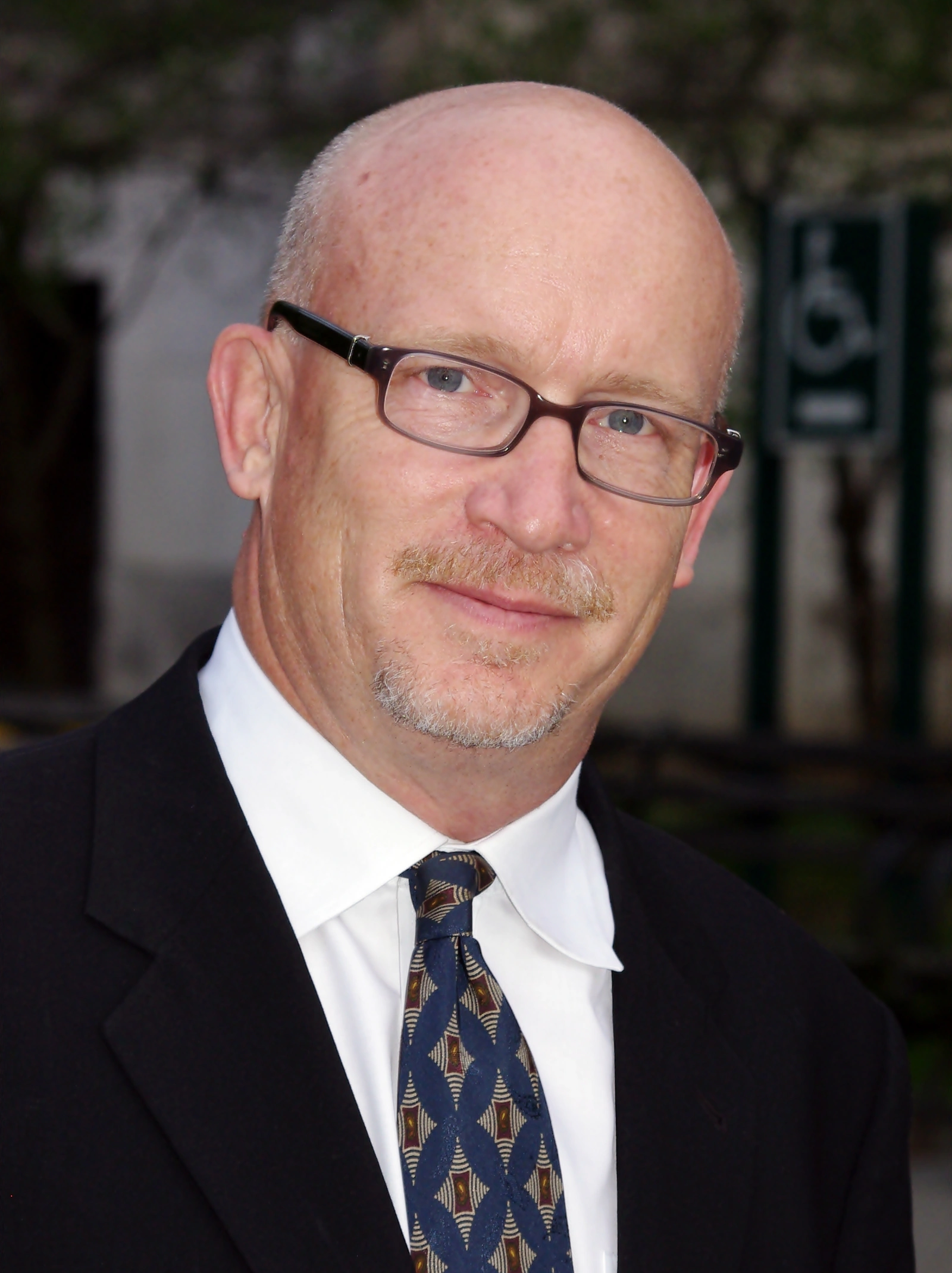
| 10 Quotes | |
| Born as | Alexander Laurence Gibney |
| Occup. | Director |
| From | USA |
| Born | October 11, 1959 Boston, Massachusetts, USA |
| Age | 66 years |
| Cite | |
Citation Formats
APA Style (7th ed.)
Alex gibney biography, facts and quotes. (2026, February 11). FixQuotes. https://fixquotes.com/authors/alex-gibney/
Chicago Style
"Alex Gibney biography, facts and quotes." FixQuotes. February 11, 2026. https://fixquotes.com/authors/alex-gibney/.
MLA Style (9th ed.)
"Alex Gibney biography, facts and quotes." FixQuotes, 11 Feb. 2026, https://fixquotes.com/authors/alex-gibney/. Accessed 22 Mar. 2026.
Early Life and Background
Alex Gibney, born Alexander Laurence Gibney in 1959, came into an America where institutions were being publicly interrogated - post-Watergate cynicism, the Vietnam aftershock, and a media culture newly alert to hidden systems. He was raised in New York City, a setting that made proximity to power feel ordinary and therefore examinable: finance, publishing, law, and politics all visible as daily weather rather than distant abstractions.His family life added a decisive psychological undertow. His father, Frank Gibney, was a writer and journalist whose work on intelligence and statecraft modeled the belief that official stories are curated and that the real narrative is often in what is withheld. For a son, that combination - the metropolis of influence and a household attuned to secrecy - helped form a temperament that reads public life as a contest between image and mechanism, and that treats moral certainty with suspicion.
Education and Formative Influences
Gibney attended Princeton University, where he absorbed the habits of argument, evidence, and close reading that would later become cinematic methods. In the wider culture, the rise of investigative nonfiction, the memory of 1970s accountability journalism, and the 1980s turn toward corporate and governmental consolidation sharpened his sense that systems, not only individuals, make history - and that narratives can either launder power or expose it.Career, Major Works, and Turning Points
After early work in documentary and scripted filmmaking, Gibney became one of the defining American documentarians of the 2000s and 2010s by treating contemporary power as a series of case files. His breakthrough and signature template arrived with Enron: The Smartest Guys in the Room (2005), a market-mania tragedy that reads like a crime story with a balance sheet. He expanded his reach with Taxi to the Dark Side (2007), which won the Academy Award for Best Documentary Feature and examined how policy, fear, and bureaucracy produced torture at Abu Ghraib and beyond. In the following decade he built a body of work that mapped institutional self-justification: Going Clear: Scientology and the Prison of Belief (2015), Zero Days (2016) on cyberwarfare and Stuxnet, The Inventor: Out for Blood in Silicon Valley (2019) on Theranos and Elizabeth Holmes, and Agents of Chaos (2020) on the digital mechanics of political manipulation, while his company Jigsaw Productions helped scale investigative documentary as a mainstream force.Philosophy, Style, and Themes
Gibney returns obsessively to the grammar of domination: who commands narratives, who profits, who is silenced, and how wrongdoing is made to feel normal. He has said, “The storytelling I'm interested in is about power: how people get it, how they use it, and how they abuse it”. That line is less a slogan than a diagnostic: his films often begin with a charismatic promise - innovation, security, salvation, growth - and then track the administrative choices that convert promise into harm. His recurring antagonists are not only villains but permission structures: boards, lawyers, compliant media, classified programs, and the seductive language of inevitability.Stylistically, he favors a prosecutorial clarity - dense archival material, brisk editing, and interviews arranged like cross-examination - yet he keeps a novelist's interest in self-deception. “I'm drawn to stories where people convince themselves they're doing the right thing even as the damage mounts”. That interest gives his work its sting: catastrophe is framed as incremental, rationalized, and often performed by people who still want to be good. At the same time, he insists on cinema as civic equipment, not mere spectacle: “The camera can be a tool for accountability”. In practice, that means he builds films that show process - memos, incentives, chains of command - so viewers can recognize how corruption reproduces itself.
Legacy and Influence
Gibney helped define a 21st-century model of investigative documentary that competes with journalism in speed and impact while retaining the emotional architecture of film. By bringing corporate fraud, state violence, high-control religions, and tech-industry mythmaking into popular culture, he expanded what mainstream audiences accept as documentary subject matter and technique. His enduring influence is methodological as much as thematic: an insistence that power can be narrated, not just denounced - that systems have plots - and that a well-built film can make secrecy legible without surrendering complexity.Our collection contains 10 quotes written by Alex, under the main topics: Ethics & Morality - Truth - Justice - Leadership - Kindness.
Source / external links