
Alex Karp Biography Quotes 5 Report mistakes
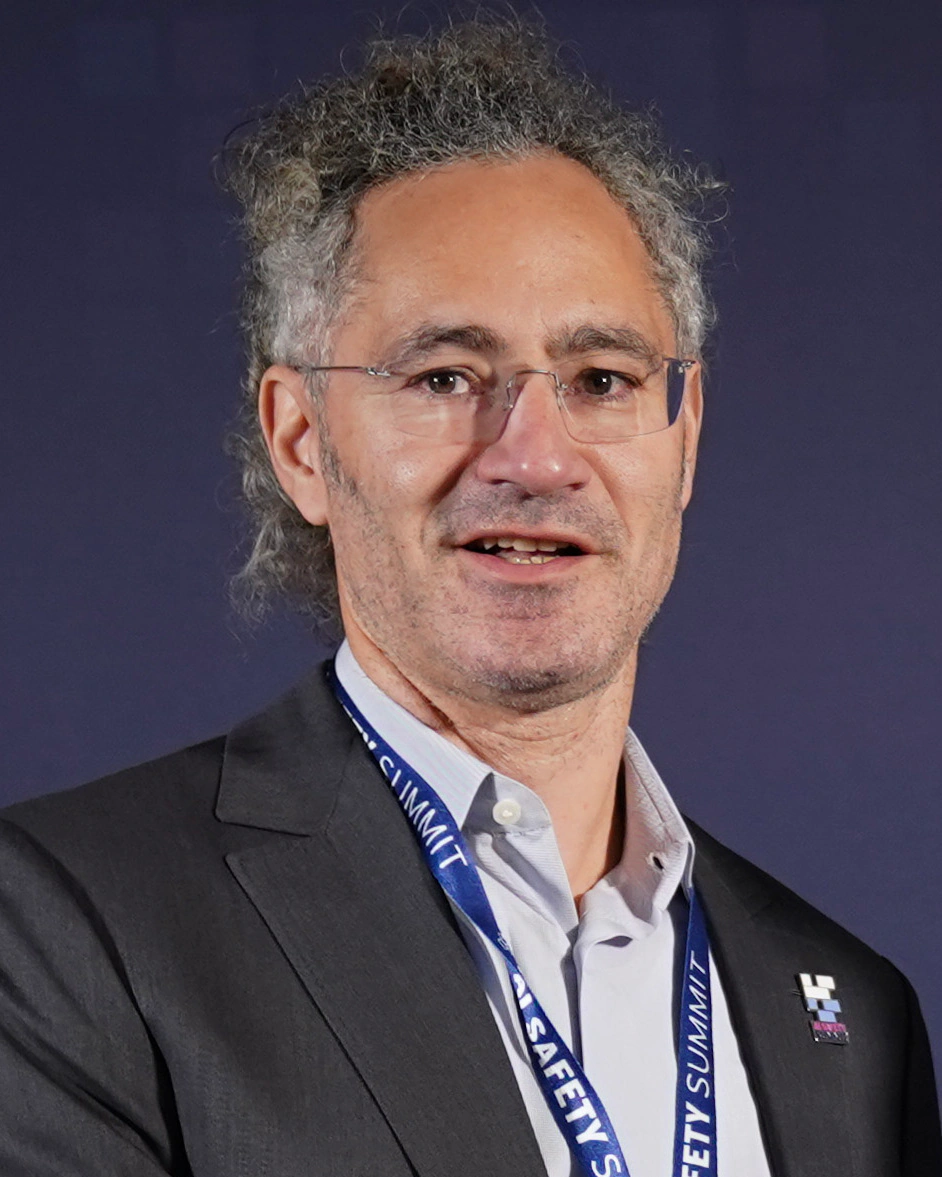
| 5 Quotes | |
| Born as | Alexander Caedmon Karp |
| Occup. | Businessman |
| From | USA |
| Born | October 2, 1967 New York City, New York, USA |
| Age | 58 years |
| Cite | |
Citation Formats
APA Style (7th ed.)
Alex karp biography, facts and quotes. (2026, February 11). FixQuotes. https://fixquotes.com/authors/alex-karp/
Chicago Style
"Alex Karp biography, facts and quotes." FixQuotes. February 11, 2026. https://fixquotes.com/authors/alex-karp/.
MLA Style (9th ed.)
"Alex Karp biography, facts and quotes." FixQuotes, 11 Feb. 2026, https://fixquotes.com/authors/alex-karp/. Accessed 29 Mar. 2026.
Early Life and Background
Alexander Caedmon Karp was born around 1967 in New York City, a period when American urban life mixed postwar confidence with social fracture and an accelerating faith in systems - markets, bureaucracies, data - to manage complexity. He grew up in a highly educated milieu and later described himself as an unlikely tech executive: intellectually inclined, wary of conventional corporate culture, and drawn to questions of power and legitimacy. That sensibility would become central to how he framed Palantir: not as a consumer product company, but as a builder of infrastructure for states and institutions.Karp came of age as the Cold War ended and the information age began, when surveillance, risk modeling, and financial engineering were shifting from theory into daily governance. The era rewarded optimization but also produced backlash - against globalization, against opaque elites, against technologies that promised neutrality while redistributing authority. Karp internalized that tension early: a belief that modern societies depend on large institutions, paired with a fear that those institutions could become unaccountable unless redesigned to be audited, explainable, and answerable to democratic constraints.
Education and Formative Influences
He studied at Haverford College, then pursued advanced study in Europe, earning a PhD in social theory from Goethe University Frankfurt. Frankfurt - with its intellectual inheritance of the Frankfurt School and postwar German debates about authority, bureaucracy, and liberalism - sharpened his lifelong preoccupation with how modern power justifies itself. Rather than steering him away from business, this training pushed him toward a distinctive role: translating abstract concerns about institutions, legitimacy, and collective security into software and organizational strategy.Career, Major Works, and Turning Points
In 2003, amid the post-9/11 reconfiguration of American security priorities and the rise of data as a strategic asset, Karp co-founded Palantir Technologies and became its chief executive, working closely with early backers including Peter Thiel. Palantir built platforms - most prominently Gotham for government use and Foundry for commercial and industrial environments - designed to integrate disparate data sources, support investigation and operations, and impose governance rules around access and provenance. Palantir expanded through long, contested relationships with intelligence and defense agencies, later diversifying into health, energy, and manufacturing, and going public via direct listing in 2020. Along the way, Karp became a polarizing figure: praised for building tools that can expose fraud and improve logistics, criticized for enabling surveillance and enforcement - disputes that forced him to defend not only products, but a worldview about what Western states must do to remain coherent.Philosophy, Style, and Themes
Karp frames technology as a moral and political choice rather than a consumer convenience, and his leadership style reflects that: philosophically explicit, impatient with euphemism, and willing to accept reputational conflict as the price of building what he considers necessary. His public arguments consistently reject the idea that software is merely a neutral layer over reality, insisting instead that builders embed assumptions about authority, accountability, and acceptable risk. “Technology is not neutral; it reflects the values of the people who build it and the societies that deploy it”. Psychologically, this stance functions as both justification and burden: it demands that he own the consequences of deployment, while also providing a framework to rebut critics who treat tools and outcomes as separable.That same worldview drives his emphasis on the West, national capacity, and institutional competence - language that sounds ideological because it is. “We built Palantir for the West. We built it for liberal democracy”. The quote signals a self-conception closer to a statesman-engineer than a conventional CEO: he sees himself as operating inside a civilizational contest where organizational stamina matters as much as code. It also explains his tolerance for controversy and employee dissent: he treats backlash as evidence that the work touches real power. “If you believe in something, you have to be willing to take the heat for it”. In Karp's telling, the inner discipline of leadership is not charisma but endurance - the capacity to keep building while being morally implicated by where the tools land.
Legacy and Influence
Karp's enduring influence lies in making "institutional software" a visible category and in forcing a public argument about whether data integration platforms strengthen or threaten liberal societies. Palantir's products helped normalize the idea that governments and large enterprises can run operations through auditable, permissioned data layers - and also helped intensify debates over privacy, policing, border enforcement, and the militarization of analytics. For admirers, Karp modeled a rare kind of tech leadership: explicit about values, skeptical of utopian neutrality, and focused on resilience in an era of geopolitical stress. For critics, he represents the consolidation of technical power inside security states and corporate hierarchies. Either way, his biography maps a defining early-21st-century problem: how democracies use advanced tools to defend themselves without becoming what they fear.Our collection contains 5 quotes written by Alex, under the main topics: Motivational - Freedom - Perseverance - Technology.
Source / external links
- CNBC: Interview/article featuring Palantir CEO Alex Karp (June 5: 2025)
- TIME: Alex Karp (TIME100 profile: 2025)
- Forbes: Alexander Karp profile
- Palantir Technologies Investor Relations: Board of Directors (includes Alexander Karp bio)
- Palantir Technologies Investor Relations: Executive Management (includes Alexander Karp bio)
- Wikipedia: Alex Karp