
Alexander Smith Biography Quotes 30 Report mistakes
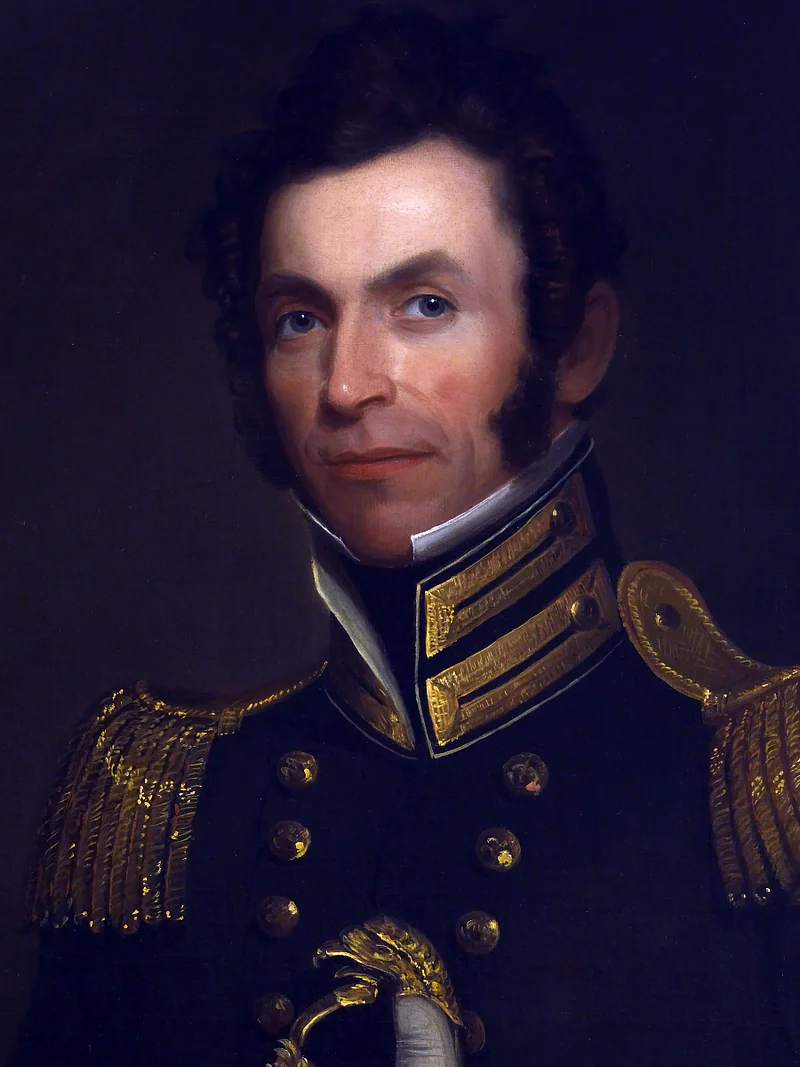
Attr: The Walters Art Museum
| 30 Quotes | |
| Occup. | Poet |
| From | Scotland |
| Born | December 31, 1830 |
| Died | January 5, 1867 |
| Aged | 36 years |
| Cite | |
Citation Formats
APA Style (7th ed.)
Alexander smith biography, facts and quotes. (2026, February 11). FixQuotes. https://fixquotes.com/authors/alexander-smith/
Chicago Style
"Alexander Smith biography, facts and quotes." FixQuotes. February 11, 2026. https://fixquotes.com/authors/alexander-smith/.
MLA Style (9th ed.)
"Alexander Smith biography, facts and quotes." FixQuotes, 11 Feb. 2026, https://fixquotes.com/authors/alexander-smith/. Accessed 27 Mar. 2026.
Early Life and Background
Alexander Smith (1829-1867) was a Scottish poet and essayist whose rise from the workshop to the literary world made him one of the more visible figures in mid-Victorian letters. He was born into an artisan household and educated largely by his own reading, a path that was common for ambitious young Scots of the era. In Glasgow he learned a trade as a pattern designer in the textile industry, a discipline of precision and ornament that later left traces in the elaborate imagery of his poetry. Long hours at the bench were followed by longer evenings with books, and he began sending verses to local newspapers. His emergence owed something to the generosity of established mentors, among them the influential critic and preacher George Gilfillan, who championed new voices and helped draw attention to Smith's work.Breakthrough and the Spasmodic Debate
Smith's first major success came with A Life-Drama (1853), a book-length poem that arrived at precisely the moment critics were debating how Romantic passion might be carried into a new age. The poem won swift notice for its emotional intensity and figurative richness. It also placed Smith, willingly or not, within what reviewers called the spasmodic school, alongside writers such as Sydney Dobell and, by loose association, P. J. Bailey. The label was meant to suggest an overwrought manner, and William Edmonstoune Aytoun responded with Firmilian (1854), a brilliant satire that did much to turn fashion against the group. The controversy did not end Smith's career, but it altered his reception, and he had to learn to write in the shadow of that debate.Edinburgh Years and Literary Circles
On the strength of his sudden fame, Smith moved from Glasgow to Edinburgh in the mid-1850s and secured a salaried position that gave him a measure of stability while he continued to write. The capital brought him into contact with a broader circle of men of letters and critics, including some who had first noticed him in the press. He collaborated with Sydney Dobell on Sonnets on the War (1855), a sequence responding to the Crimean conflict that displayed a more disciplined, public note than his earlier, inward drama. Around the same time he remained loyal to Glasgow connections, including editors who had first printed his poems, and he befriended younger Scottish writers such as David Gray, offering encouragement that he himself had once needed.Poetry Beyond the First Success
Smith persisted in poetry after the spasmodic controversy ebbed. City Poems (1857) turned his eye toward the modern urban scene, bringing factory smoke, street life, and civic ambition into a lyrical frame that had often been reserved for mountains and seas. Later, in Edwin of Deira (1861), he attempted a larger narrative canvas, blending early English history with a moral and imaginative quest. These volumes show a poet trying different scales and subjects, determined to move past an early label and to test how far his ornate style could carry varied kinds of material.The Turn to Prose: Essays and Travel
In the 1860s Smith discovered a prose manner that many readers found more durable than his verse. Dreamthorp (1863), a series of essays written from relative quiet outside the city, has a reflective, companionable voice, humane in temper and clear in its descriptive powers. Two years later A Summer in Skye (1865) drew on journeys in the Hebrides and on family ties formed through his marriage to Flora Nicolson Macdonald of Skye. In that book he joined landscape, folklore, and a gentle, observant humor to produce a portrait of place that remains among the most attractive Scottish travel books of the century. The prose, less strained than his youthful verse, retained his gift for image while adopting an ease that readers and later critics consistently admire.Style, Themes, and Associations
Across genres, Smith's writing favored luxuriant metaphor, a dramatizing of inward states, and an eye for the symbolic suggestiveness of common things. The discipline of decorative design from his early trade can be felt in his patterned imagery; at the same time, essay and travel writing taught him selection and restraint. Friends and antagonists alike shaped his course: George Gilfillan's advocacy opened doors; Sydney Dobell provided a comrade in the defense of ambitious, emotive poetry; and William Edmonstoune Aytoun's clever mockery forced a reconsideration of method and tone. Even when critical fashion turned, Smith remained present in the conversation, a working writer who adapted rather than retreated.Later Years and Death
The last years of Smith's life were productive but constrained by fragile health. He divided his time between Edinburgh and periods of restorative travel, drawing strength from landscapes that nourished his imagination and from a domestic life that steadied his labors. He died in 1867, in the Edinburgh area, still in his thirties. The abruptness of that end left projects unrealized, but there was already a body of verse and prose substantial enough to sustain his name.Legacy
Alexander Smith's reputation rose with unusual speed and then suffered from the caricature of a school he never fully represented. Over time, readers have distinguished the transient quarrel over spasmodism from the enduring qualities of his work. A Life-Drama remains a document of youthful ambition in the age after Romanticism; City Poems and Edwin of Deira show the persistence of that ambition under pressure; and Dreamthorp with A Summer in Skye secure his later standing as a prose stylist of delicacy and warmth. Within the Scottish tradition, he occupies a bridge between industrial Glasgow and literary Edinburgh, between lyric intensity and essayistic calm, and between the solitary making of art and the talkative sociability of mid-Victorian reviews and salons. The people around him helped shape his course, but the voice that emerges from his best pages is unmistakably his own.Our collection contains 30 quotes written by Alexander, under the main topics: Motivational - Wisdom - Art - Mortality - Nature.
Alexander Smith Famous Works
- 1853 A Life Drama (Poetry)