
Alfred A. Montapert Biography Quotes 16 Report mistakes
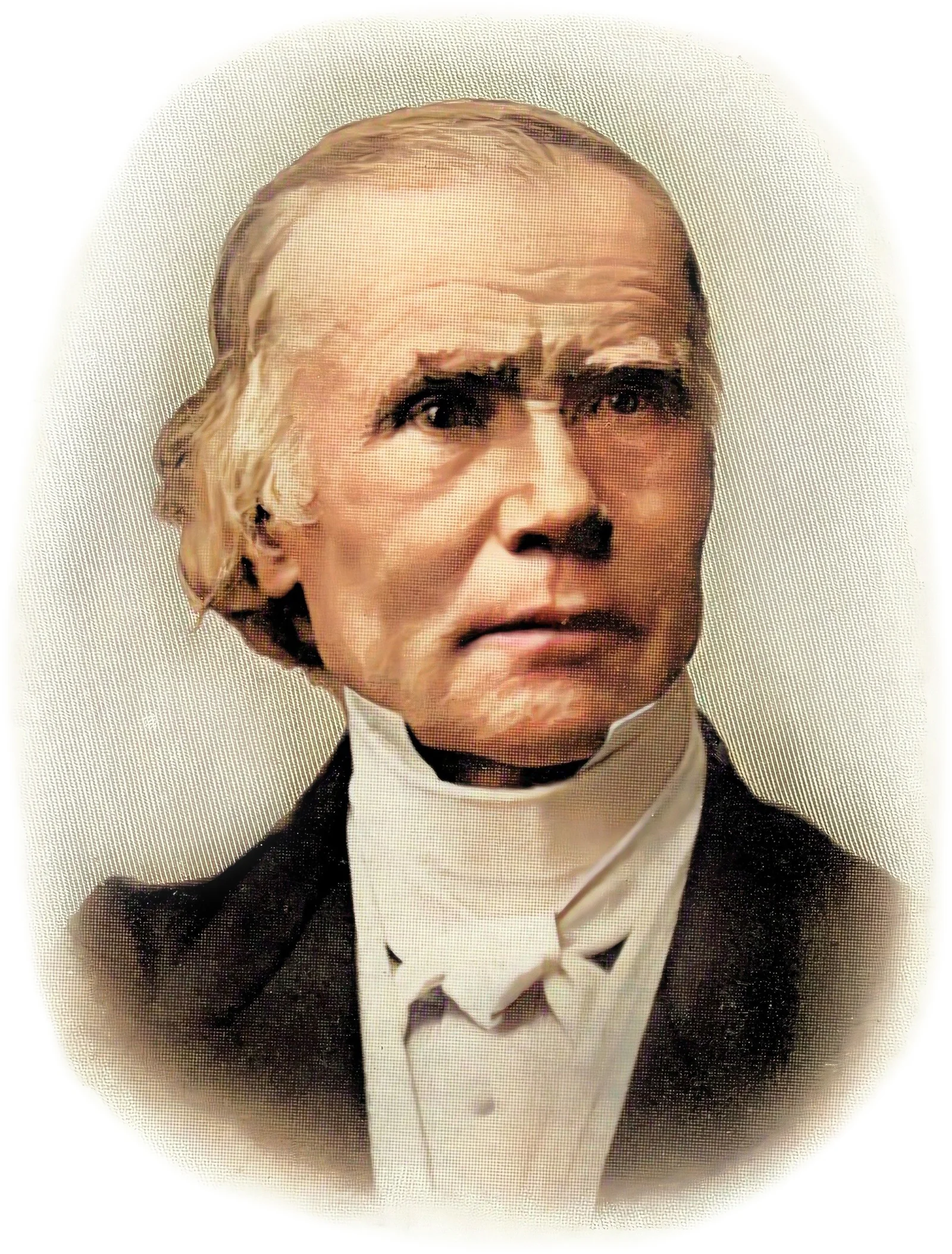
| 16 Quotes | |
| Born as | Alfred Armand Montapert |
| Occup. | Philosopher |
| From | USA |
| Born | December 5, 1912 |
| Died | November 27, 2007 |
| Aged | 94 years |
| Cite | |
Citation Formats
APA Style (7th ed.)
Alfred a. montapert biography, facts and quotes. (2026, February 2). FixQuotes. https://fixquotes.com/authors/alfred-a-montapert/
Chicago Style
"Alfred A. Montapert biography, facts and quotes." FixQuotes. February 2, 2026. https://fixquotes.com/authors/alfred-a-montapert/.
MLA Style (9th ed.)
"Alfred A. Montapert biography, facts and quotes." FixQuotes, 2 Feb. 2026, https://fixquotes.com/authors/alfred-a-montapert/. Accessed 13 Mar. 2026.
Early Life and Background
Alfred Armand Montapert was born on December 5, 1912, in the United States, coming of age in an era when private aspiration and public crisis collided. The America that formed him moved from Progressive-era confidence into the shock of the Great Depression, then into the moral mobilization of World War II and the restless conformities of the postwar boom. Montapert later became known less for a single institutional post than for the compact, directive sentences he wrote for ordinary readers trying to make sense of work, character, and self-command.Because the documentary record of his early family life is comparatively thin in widely circulated sources, the clearest biographical pathway runs through the sensibility his aphorisms reveal: a mind trained on stability, responsibility, and the emotional costs of drift. He wrote as someone who had watched how quickly fortunes and reputations could be unmade, and who believed that inner discipline was not moral ornament but practical survival. That insistence on agency - and on paying for choices in full - suggests a temperament shaped by hard national lessons as much as by private experience.
Education and Formative Influences
Montapert is best understood within the broad American tradition of popular moral philosophy: a lineage running from Benjamin Franklin through nineteenth-century self-culture manuals to twentieth-century motivational literature, filtered through the new realities of mass media and corporate life. His formative influences appear to have been less academic philosophy than lived pragmatism, Protestant-tinged conscience, and the managerial language of planning and execution that dominated mid-century professional culture. He wrote for readers who wanted tools, not metaphysics - yet he smuggled a metaphysics in through the tools, treating thought, habit, and intention as the true infrastructure of a life.Career, Major Works, and Turning Points
Montapert built his reputation as a philosopher in the public sense: a writer of aphorisms, maxims, and short-form reflections aimed at self-mastery and ethical traction. His best-known work is commonly associated with collections such as The Supreme Philosophy of Man and related compilations that circulated in quotation books, office-wall placards, and later online databases - formats that favored memorable compression over discursive argument. The turning point in his afterlife was precisely this portability: his lines traveled easily across classrooms, sales meetings, and devotional settings, making him a recognizable voice even to people who could not have named his biography. He died on November 27, 2007, having outlived most of the century that had provided his central case studies in resilience, ambition, and the perils of resentment.Philosophy, Style, and Themes
Montapert wrote like a foreman of the inner life: direct, procedural, and impatient with excuses. A core theme is that belief precedes structure - that a person is held up by convictions the way a building is held up by load-bearing material. “If you don't have solid beliefs you cannot build a stable life. Beliefs are like the foundation of a building, and they are the foundation to build your life upon”. Psychologically, this is the voice of someone wary of improvisation as a lifestyle; he treats uncertainty not as romantic openness but as a hidden tax that compounds. His recurring emphasis on planning, cost, and execution frames character as a craft, not a gift: “Your life will be no better than the plans you make and the action you take. You are the architect and builder of your own life, fortune, destiny”. The sentence is not merely inspirational - it is a demand that the reader accept authorship, and therefore blame, before claiming pride.Equally central is his moral hygiene: Montapert repeatedly warns that uncontrolled emotion corrodes the body and distorts judgment. “Every time you get angry, you poison your own system”. Underneath the admonition is a theory of freedom: if thought and attitude are governable, then fate is not primarily what happens to you but what you do with what happens. That stance reflects mid-century American optimism, but with a stern edge - a belief that negativity is chosen, rehearsed, and socially contagious. Stylistically, his work favors parallelism, binary contrasts, and declarative closure, creating the sensation of a verdict rather than an invitation. He rarely lingers on tragedy or structural limits; instead he writes as if the reader must be moved from rumination to decision immediately, because time is the only resource that cannot be replenished.
Legacy and Influence
Montapert endures as a quietly ubiquitous American moralist: a philosopher whose lines circulate more widely than his life story, and whose influence is measured in repeated use rather than scholarly citation. In the late twentieth and early twenty-first centuries, his aphorisms blended into the broader ecosystem of self-help, leadership training, and devotional encouragement, where clarity and memorability are themselves forms of power. His legacy is the insistence that agency is real, that temperament is trainable, and that belief and behavior are inseparable engineering problems - an ethic that continues to appeal to readers facing uncertainty and wanting a vocabulary for steadiness.Our collection contains 16 quotes written by Alfred, under the main topics: Motivational - Ethics & Morality - Wisdom - Overcoming Obstacles - Faith.
Alfred A. Montapert Famous Works
- 1991 The Power of Positive Action: Your Guide to Maximum Happiness and Personal Achievement (Book)
- 1981 American Handbook of Success: Practical Advice from Great Achievers Throughout America (Book)
- 1970 The Supreme Philosophy of Man: The Laws of Life (Book)
Source / external links