
Alfred P. Sloan Biography Quotes 7 Report mistakes
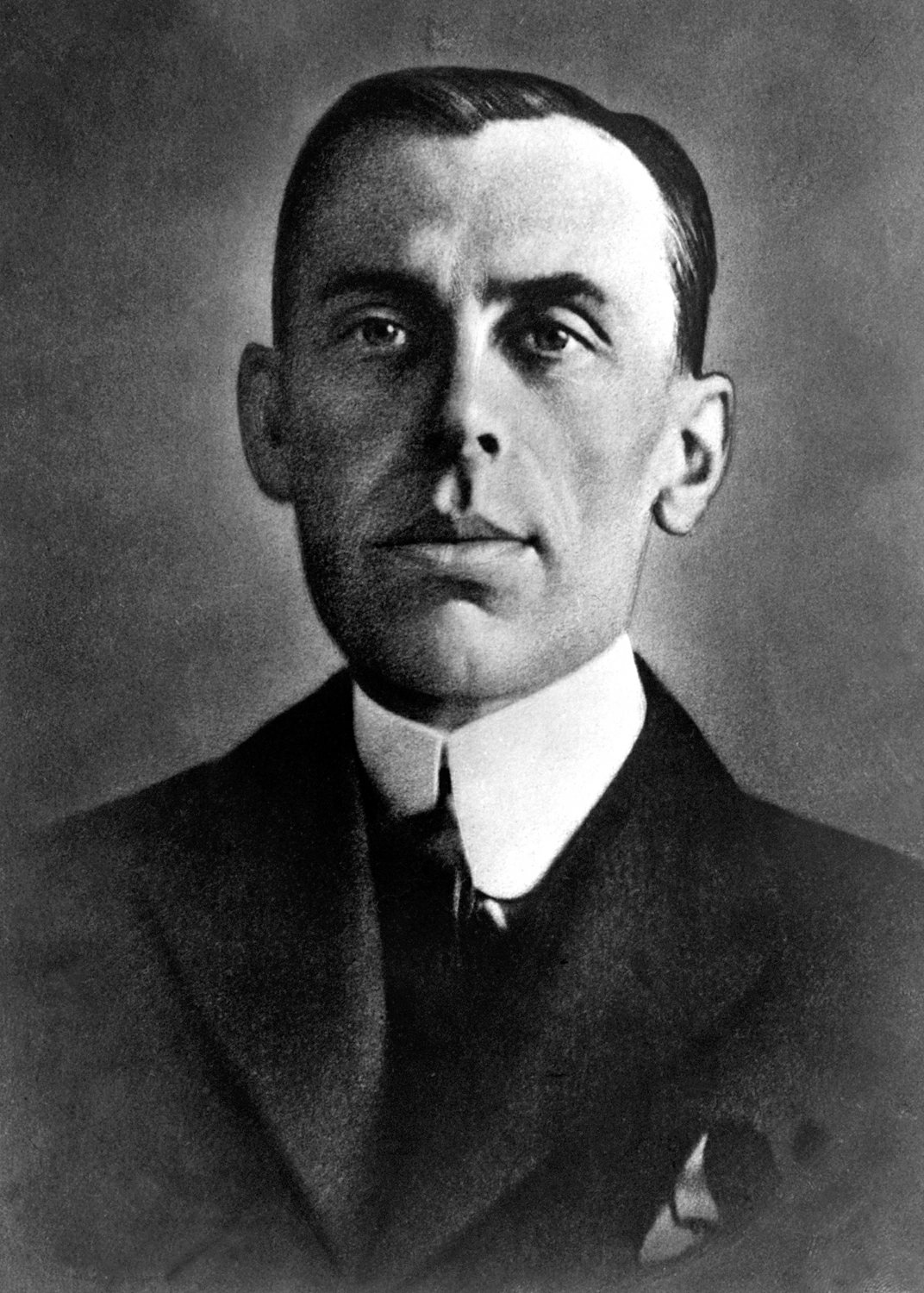
| 7 Quotes | |
| Born as | Alfred Pritchard Sloan, Jr. |
| Occup. | Businessman |
| From | USA |
| Born | May 23, 1875 |
| Died | February 17, 1966 |
| Aged | 90 years |
| Cite | |
Citation Formats
APA Style (7th ed.)
Alfred p. sloan biography, facts and quotes. (2026, February 11). FixQuotes. https://fixquotes.com/authors/alfred-p-sloan/
Chicago Style
"Alfred P. Sloan biography, facts and quotes." FixQuotes. February 11, 2026. https://fixquotes.com/authors/alfred-p-sloan/.
MLA Style (9th ed.)
"Alfred P. Sloan biography, facts and quotes." FixQuotes, 11 Feb. 2026, https://fixquotes.com/authors/alfred-p-sloan/. Accessed 6 Mar. 2026.
Early Life and Background
Alfred Pritchard Sloan, Jr. was born on May 23, 1875, into a late-19th-century America that was rapidly exchanging craft production for industrial systems. Raised largely in New York City after time in Connecticut, he grew up close to the new managerial class - families who saw engineering, accounting, and organization as the levers of modern power. That environment shaped a temperament that was outwardly reserved but inwardly exacting: he was drawn less to the romance of invention than to the discipline of making invention scalable.The period that formed him was also the age of consolidation: railroads, steel, and finance were teaching the country that size alone did not create strength unless it was governed by method. Sloan absorbed the moral tone of that world - duty, prudence, and measurable performance - and carried it into an industry that was still improvising its rules. From the start, his ambition was not celebrity but control of complexity, the quiet confidence of someone who believes systems can outlast personalities.
Education and Formative Influences
Sloan studied electrical engineering at the Massachusetts Institute of Technology, graduating in 1895, when engineering was becoming a professional creed rather than a tinkerer's art. MIT trained him to trust analysis, to separate symptoms from causes, and to treat organizations like machines that could be redesigned. Just as important, he entered business at a moment when the automobile was shifting from novelty to infrastructure, and he developed an early instinct that the winners would be the firms that could coordinate suppliers, standardize parts, finance production, and still adapt products to changing tastes.Career, Major Works, and Turning Points
He began at Hyatt Roller Bearing (eventually a key supplier to automakers), rising to president and gaining firsthand knowledge of costs, quality, and the bottlenecks of mass production. In 1916 Hyatt became part of the United Motors Corporation, which brought Sloan into the orbit of General Motors; after GM's post-World War I financial turmoil, he became its essential architect, serving as president (1923-1937) and then chairman (1937-1956). Sloan reorganized GM into a decentralized structure with strong central financial controls, introduced disciplined budgeting and return-on-investment measures, and helped stabilize a multi-division enterprise whose brands could compete across the market. His ideas were later crystallized in his memoir, My Years with General Motors (published 1964), a managerial account of how GM sought durability through policy, procedure, and product planning rather than the charisma of a single founder.Philosophy, Style, and Themes
Sloan's inner life, as colleagues often sensed, ran on skepticism and method. He distrusted rushes of consensus and treated meetings as instruments for surfacing weak assumptions; his famous preference for delayed decisions was not indecision but an engineered pause to force real thinking. "If we are all in agreement on the decision - then I propose we postpone further discussion of this matter until our next meeting to give ourselves time to develop disagreement and perhaps gain some understanding of what the decision is allOur collection contains 7 quotes written by Alfred, under the main topics: Doctor - Overcoming Obstacles - Business - Entrepreneur - Marketing.
Other people related to Alfred: Charles Erwin Wilson (Businessman)
Alfred P. Sloan Famous Works
- 1963 My Years with General Motors (Book)
Source / external links