
Alicia Machado Biography Quotes 14 Report mistakes
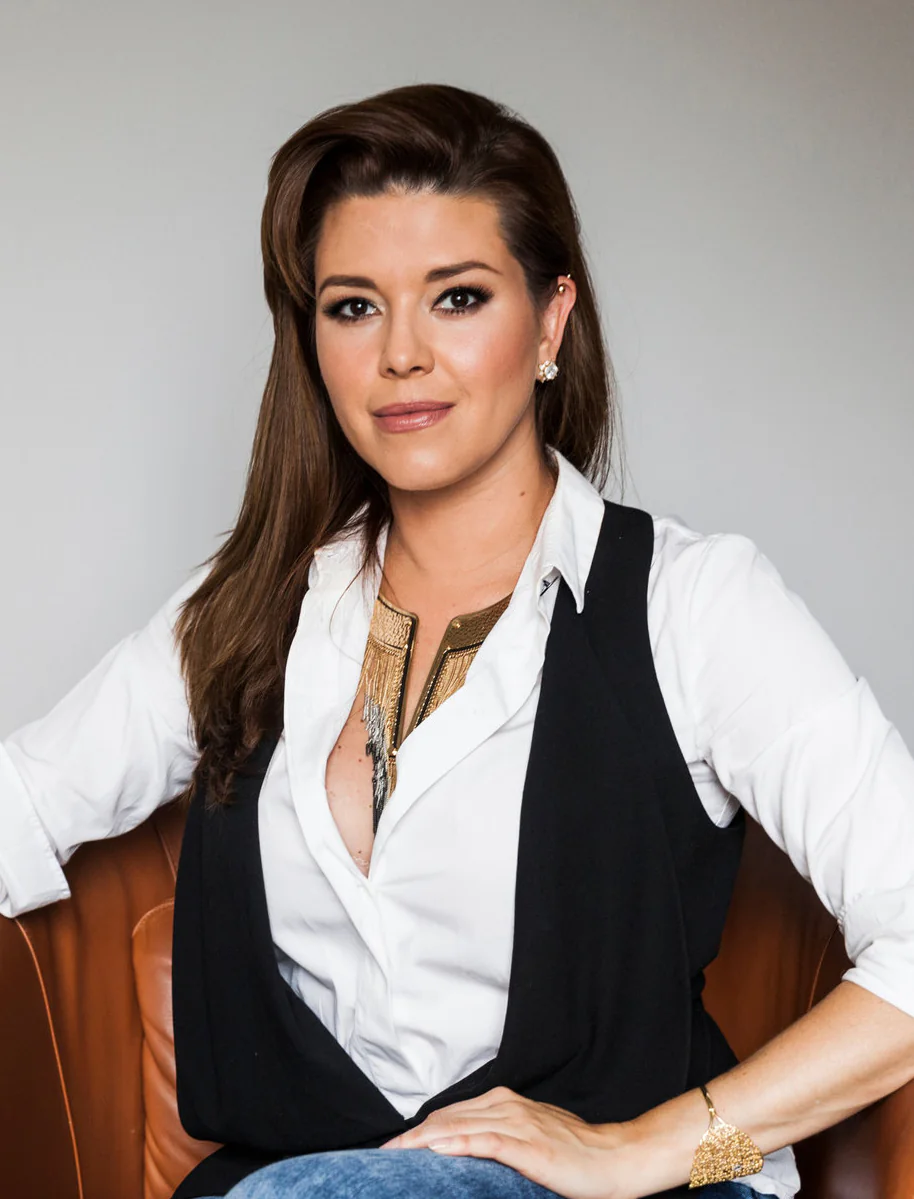
| 14 Quotes | |
| Born as | Alicia Machado Fajardo |
| Occup. | Celebrity |
| From | Venezuela |
| Spouse | Gerardo Álvarez Vázquez |
| Born | December 6, 1976 Maracay, Aragua, Venezuela |
| Age | 49 years |
| Cite | |
Citation Formats
APA Style (7th ed.)
Alicia machado biography, facts and quotes. (2026, February 2). FixQuotes. https://fixquotes.com/authors/alicia-machado/
Chicago Style
"Alicia Machado biography, facts and quotes." FixQuotes. February 2, 2026. https://fixquotes.com/authors/alicia-machado/.
MLA Style (9th ed.)
"Alicia Machado biography, facts and quotes." FixQuotes, 2 Feb. 2026, https://fixquotes.com/authors/alicia-machado/. Accessed 12 Feb. 2026.
Early Life and Background
Alicia Machado Fajardo was born on December 6, 1976, in Maracay, Aragua, Venezuela, into a country then living with the aftershocks of oil-boom expectations and the slow unspooling of trust in institutions that would culminate in the upheavals of the 1990s. In that atmosphere, beauty contests and television were not mere diversions but national stages where class, race, aspiration, and modernity played out in real time. Machado grew up in a large, male-heavy household - an only daughter with four brothers - a family dynamic she has described as shaping her ease in male-dominated spaces and her early sense that charm had to be matched by grit.Her adolescence coincided with a Venezuelan media culture that treated pageantry as both industry and mythology: a disciplined pipeline of coaches, choreographers, and stylists turning local girls into symbols of national poise. Machado entered that world young, first as a model and teen beauty queen, learning that public approval could be won quickly and withdrawn just as fast. The tension between being admired and being controlled - between self-invention and being packaged - would later become central to how she narrated her own life.
Education and Formative Influences
Machado trained in the practical arts of performance rather than a single formal academic track: runway and camera work, dance and presentation, the regimented etiquette of pageant preparation, and the emotional discipline required to perform confidence under scrutiny. Her formative influences were the Venezuelan telenovela factory and the pageant system that had already produced international winners, as well as the broader Latin American celebrity ecosystem where a woman could move from modeling to acting to music if she proved resilient enough to keep transforming.Career, Major Works, and Turning Points
Her defining breakthrough came in 1996 when she won Miss Universe, giving Venezuela another global crown and turning Machado into an instantly exportable celebrity. The win also brought the era's harshest lesson in public ownership: intense press focus on her body, accent, and behavior, followed by years of having her image used as a case study in the cruelty of entertainment standards. She parlayed the title into television and performance work across the Spanish-speaking world and the United States, including telenovelas and reality TV, and later became a visible voice in political and cultural debates about misogyny and immigrant identity. A second turning point arrived in 2016 when her previous experiences were pulled into the U.S. presidential campaign news cycle, abruptly reframing her biography as a symbol in a larger argument about power, humiliation, and the cost of fame.Philosophy, Style, and Themes
Machado's public philosophy has repeatedly pushed against the idea that beauty is destiny, a stance that reads as hard-won rather than aspirational. "I think being beautiful is only one aspect of your life". In her interviews, that sentence carries the tone of someone who has watched beauty function as both currency and cage: it opens doors, then demands repayment in silence and compliance. Her insistence on complexity is also defensive in the best sense - a refusal to be reduced to a single photograph, a single crown, or a single scandal.Her style is candid and confrontational, shaped by the pageant world's demand for polish and the telenovela world's appetite for emotional clarity. She returns often to preparation as self-respect, not moralism: "If you don't have talent or preparation for whatever you want to do, you will not be successful in anything". The psychology underneath is pragmatic and survivalist - she treats work as a shield against volatility, and skill as the one possession that cannot be taken by headlines. In that same vein, she reframes time as the real judge of worth: "Beauty is only temporary, but your mind lasts you a lifetime". The line reads like autobiography compressed into a maxim, a way of making sense of an early life spent being assessed, and a later life spent reclaiming authorship.
Legacy and Influence
Alicia Machado endures as more than a former Miss Universe: she is a case study in how Latin American celebrity is manufactured, contested, and repurposed across borders. Her life has influenced conversations about body shaming, the commodification of young women, and the way media systems discipline female public figures while profiting from their vulnerability. For many Venezuelans and Latinas navigating public visibility, she represents a complicated model of reinvention - a woman who used the most traditional platform available to her era and then spent decades arguing, in work and in words, that a crown is not a personality and notoriety is not the final verdict.Our collection contains 14 quotes written by Alicia, under the main topics: Friendship - Love - Music - Equality - Success.
Source / external links