
Alva Myrdal Biography Quotes 25 Report mistakes
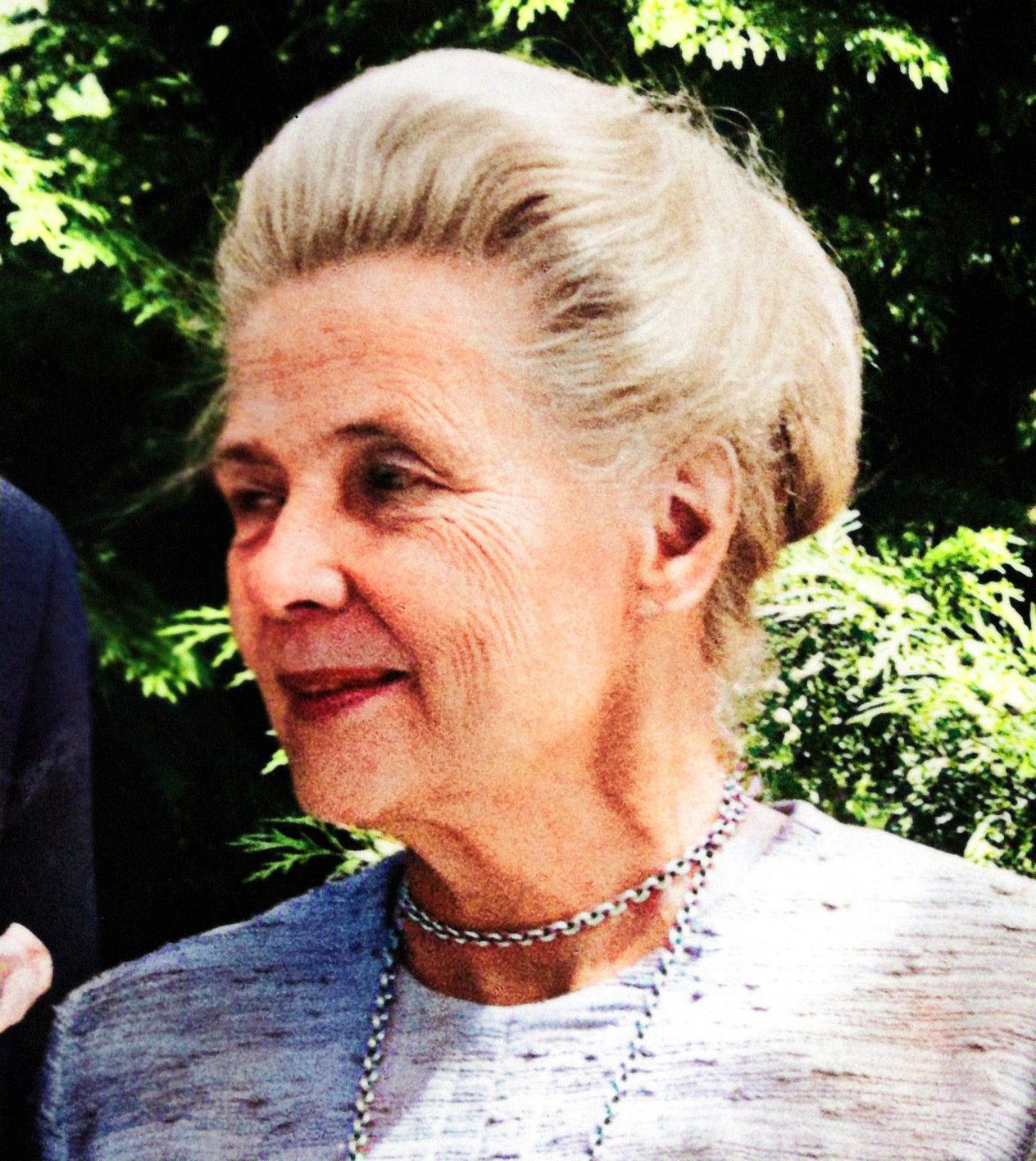
| 25 Quotes | |
| Occup. | Diplomat |
| From | Sweden |
| Spouse | Gunnar Myrdal (1924-1986) |
| Born | January 31, 1902 Uppsala, Sweden |
| Died | February 1, 1986 Danderyd, Sweden |
| Cause | Natural Causes |
| Aged | 84 years |
| Cite | |
Citation Formats
APA Style (7th ed.)
Alva myrdal biography, facts and quotes. (2026, February 11). FixQuotes. https://fixquotes.com/authors/alva-myrdal/
Chicago Style
"Alva Myrdal biography, facts and quotes." FixQuotes. February 11, 2026. https://fixquotes.com/authors/alva-myrdal/.
MLA Style (9th ed.)
"Alva Myrdal biography, facts and quotes." FixQuotes, 11 Feb. 2026, https://fixquotes.com/authors/alva-myrdal/. Accessed 27 Mar. 2026.
Early Life and Background
Alva Reimer Myrdal was born on 31 January 1902 in Uppsala, Sweden, into a society that was modernizing quickly yet still stratified by class and rigid gender expectations. Sweden in her childhood was formally neutral but culturally alert to European upheavals - the aftershocks of industrialization, the First World War, and the Russian Revolution across the Baltic. That tension between security and vulnerability became a lifelong lens: she would come to see social policy and foreign policy as parts of the same moral architecture.She married the economist Gunnar Myrdal in 1924, forming one of the most influential Swedish intellectual partnerships of the 20th century. Their home became a workshop where demography, education, gender equality, and internationalism were debated as practical problems, not abstractions. The interwar years also sharpened her suspicion of authoritarian solutions, and she watched the rise of fascism as a warning that prosperous societies could still slip into fear-driven politics.
Education and Formative Influences
Myrdal studied at Stockholm University and later pursued further study in psychology and social science, including time in Geneva close to the League of Nations milieu that framed early interwar internationalism. She absorbed two complementary influences: Swedish social reform thinking (the idea that the state could civilize capitalism through universal welfare) and an emerging international public sphere that treated peace as an administrative project requiring institutions, norms, and professional expertise. These influences seeded her conviction that education, family policy, and diplomacy were all tools for shaping behavior at scale.Career, Major Works, and Turning Points
Her public breakthrough came with the Myrdals' crisis diagnosis of Sweden's falling birthrate and social inequality in Kris i befolkningsfragan (1934), where Alva drove arguments about child welfare, housing, and women's economic independence into mainstream debate and helped steer the Social Democratic vision of the "people's home" toward concrete family reforms. During the Second World War she worked with international relief and postwar planning, then moved into education policy and international administration, becoming director of UNESCO's Department of Social Sciences (1950-1955). Appointed Sweden's ambassador to India (and concurrently to Ceylon and Burma) in the mid-1950s, she read decolonization up close and treated development as inseparable from dignity and peace. In the 1960s and 1970s she became a central Swedish voice in global disarmament, serving as minister and later leading Sweden's delegation to the Geneva disarmament talks; the arc culminated in her Nobel Peace Prize in 1982 (shared with Alfonso Garcia Robles), recognition of a career spent trying to make security policy answerable to humanity rather than prestige.Philosophy, Style, and Themes
Myrdal's inner life was marked by a disciplined, almost pedagogical moral imagination: she did not romanticize politics, but she refused to treat brutality as inevitable. She insisted that modernity carried a danger of normalization - that societies could become accustomed to violence not only through war but through the everyday culture that makes war thinkable. In that sense her critique of contemporary media was not prudish but strategic: if “a cultural factor promoting violence... is the mass media... particularly everything that enters our minds through pictorial media”. , then peace work had to include work on attention, emotion, and public consent. Her prose and speeches often moved from social psychology to institutional design, a style that made her both formidable in negotiations and impatient with empty rhetoric.In disarmament debates she combined moral clarity with incremental tactics, because she understood that governments retreat from absolutes but can be forced into verifiable steps. “I agree with the many who consider freezing all sorts of weapons systems a first step in a realistic disarmament policy”. captures her realism: she treated the arms race as a process that could be halted by constraining its momentum, then building trust from the pause. Yet the ultimate ground was ethical and civilizational. When she warned that “the age in which we live can only be characterized as one of barbarism. Our civilization is in the process not only of being militarized, but also being brutalized”. , she revealed a psyche that feared not just annihilation but moral corrosion - the slow remaking of citizens into spectators of organized violence. Her theme was the linkage between domestic welfare and global peace: a society that educates, protects children, and enables women's full participation is also one better equipped to resist militarized fatalism.
Legacy and Influence
Myrdal died on 1 February 1986, but her imprint remains unusually broad: she helped shape Sweden's family policy model, advanced the professionalization of international social science at UNESCO, and became a durable symbol of Nordic "active neutrality" expressed through mediation and disarmament advocacy rather than passivity. Later peace researchers, feminist policy thinkers, and arms-control negotiators drew from her insistence that security must be judged by human outcomes, not strategic elegance. Her enduring influence lies in the connective tissue she built between the private sphere and the global arena - the idea that the same state capable of expanding childcare, education, and equality could also challenge the legitimacy of war preparations and make peace a program, not a slogan.Our collection contains 25 quotes written by Alva, under the main topics: Ethics & Morality - Justice - Freedom - War - Peace.
Other people related to Alva: Sissela Bok (Philosopher)
Source / external links