
Alveda King Biography Quotes 30 Report mistakes
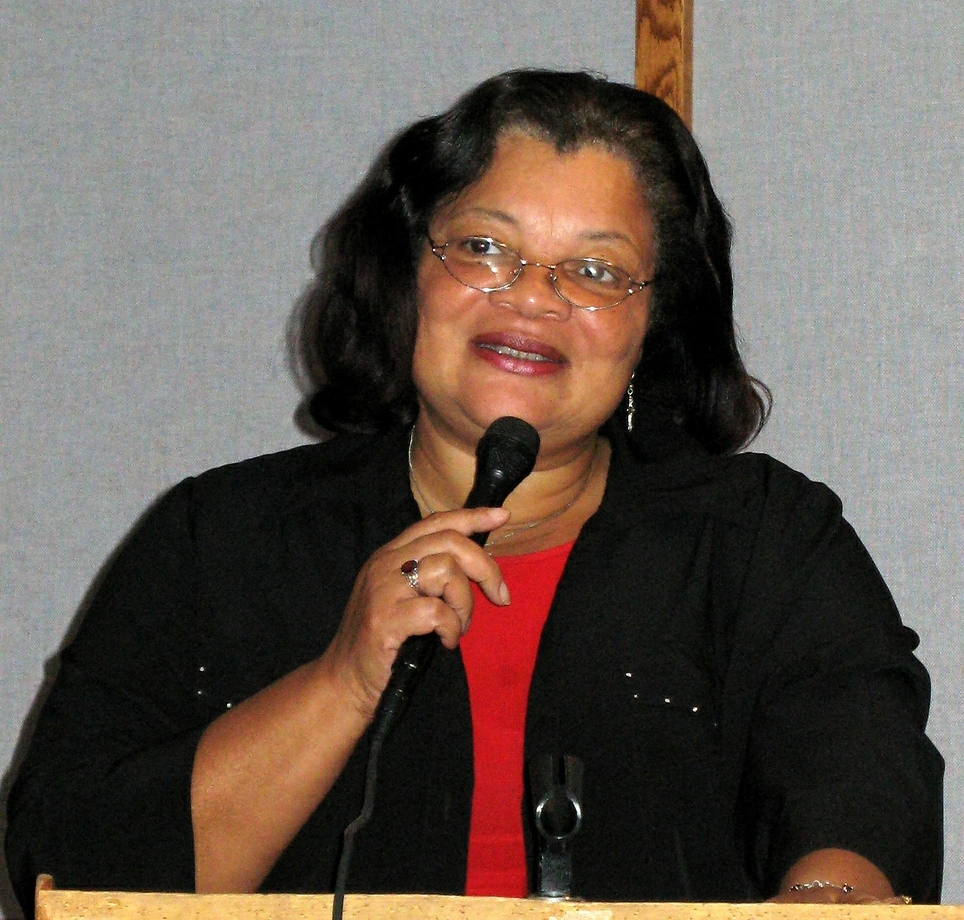
| 30 Quotes | |
| Born as | Alveda Celeste King |
| Occup. | Clergyman |
| From | USA |
| Born | January 22, 1951 Birmingham, Alabama, U.S. |
| Age | 75 years |
| Cite | |
Citation Formats
APA Style (7th ed.)
Alveda king biography, facts and quotes. (2026, February 11). FixQuotes. https://fixquotes.com/authors/alveda-king/
Chicago Style
"Alveda King biography, facts and quotes." FixQuotes. February 11, 2026. https://fixquotes.com/authors/alveda-king/.
MLA Style (9th ed.)
"Alveda King biography, facts and quotes." FixQuotes, 11 Feb. 2026, https://fixquotes.com/authors/alveda-king/. Accessed 28 Mar. 2026.
Early Life and Background
Alveda Celeste King was born January 22, 1951, in the United States, into one of the most scrutinized families of the modern civil rights era. She was the daughter of A.D. King, a Baptist minister and civil rights leader, and Naomi Ruth Barber King, and the niece of Martin Luther King Jr. Her earliest memories were shaped by the intimate paradox of the movement: family life braided with strategy meetings, church life braided with threats, and an expectation that faith should be public, costly, and disciplined.The assassinations of the 1960s hardened that expectation into vocation. The killings of her uncle (1968) and her father (1969) did not simply mark personal bereavements - they reconfigured the moral landscape of the King family, turning grief into witness and making questions of violence, human dignity, and political power unavoidable. In that atmosphere, King learned that public causes are never abstract: they land in homes, reorder childhoods, and leave survivors to translate loss into purpose.
Education and Formative Influences
King came of age in a period when the civil rights movement was giving way to new battles over poverty, family stability, and cultural identity, and she absorbed the Black church as both sanctuary and civic engine. Her formation was shaped by Atlanta clergy culture and the King family tradition of preaching as social action; over time, she also pursued formal study and training that supported work across ministry, advocacy, and public speaking, drawing from Scripture, nonviolent moral reasoning, and the rhetorical inheritance of the Southern pulpit.Career, Major Works, and Turning Points
Over the decades, King became known as a clergyman and a prominent conservative Christian activist, especially in anti-abortion advocacy and in efforts to frame civil rights through a "consistent life" ethic. She served in leadership roles with civil rights and pro-life organizations, worked as a public commentator, and became closely associated with Priests for Life as a pastoral voice addressing abortion, race, and family policy. Her writing and speaking often center on linking personal testimony, biblical anthropology, and the legacy of the civil rights movement to contemporary debates, positioning the Black church as a moral actor not only against overt discrimination but also against what she sees as structural threats to the family.Philosophy, Style, and Themes
King's worldview is built on moral continuity: the idea that the same core truths about the image of God should govern how society treats the unborn, the marginalized, and the politically defeated. She argues for a direct line between civil rights history and present-day bioethics, insisting that injustice is rarely isolated - it mutates, rationalizes itself, and recruits new language. “Abortion and racism are both symptoms of a fundamental human error. The error is thinking that when someone stands in the way of our wants, we can justify getting that person out of our lives. Abortion and racism stem from the same poisonous root, selfishness”. Psychologically, that framing reveals a mind trained to search beneath policy into motive: not merely what a society does, but what it permits itself to feel and call normal.Her style is sermonic and diagnostic - less interested in partisan cleverness than in conscience, repentance, and communal repair. “Racism oppresses its victims, but also binds the oppressors, who sear their consciences with more and more lies until they become prisoners of those lies. They cannot face the truth of human equality because it reveals the horror of the injustices they commit”. The sentence reads like pastoral counseling applied to a nation: she treats public evil as a spiritual captivity sustained by self-deception. Even her political optimism is rooted in a church vocabulary of moral restoration rather than technocratic reform. “We're reclaiming America and restoring honor. I believe we do that with faith, with hope, with charity, and honoring our brothers and our sisters as we honor each other”. Beneath the uplift is a consistent inner posture: grief transmuted into duty, and duty tethered to the conviction that unity without truth is sentiment, but truth without charity is barren.
Legacy and Influence
King's enduring influence lies in how she re-narrates the civil rights inheritance for a later era, arguing that human dignity cannot be partitioned by stage of life or by political convenience. To admirers, she extends the King family moral vocabulary into contested territory, challenging institutions - including those within Black political life - to confront abortion, family fragmentation, and the ethical costs of cultural drift. To critics, she represents a sharp ideological turn within a famous lineage. Either way, her public life has made her a durable, polarizing, and consequential voice: a minister shaped by national tragedy who insists that the measure of progress is not only equal access, but equal protection for the most vulnerable.Our collection contains 30 quotes written by Alveda, under the main topics: Ethics & Morality - Justice - Leadership - Equality - Faith.
Source / external links