
Alvin Williams Biography Quotes 2 Report mistakes
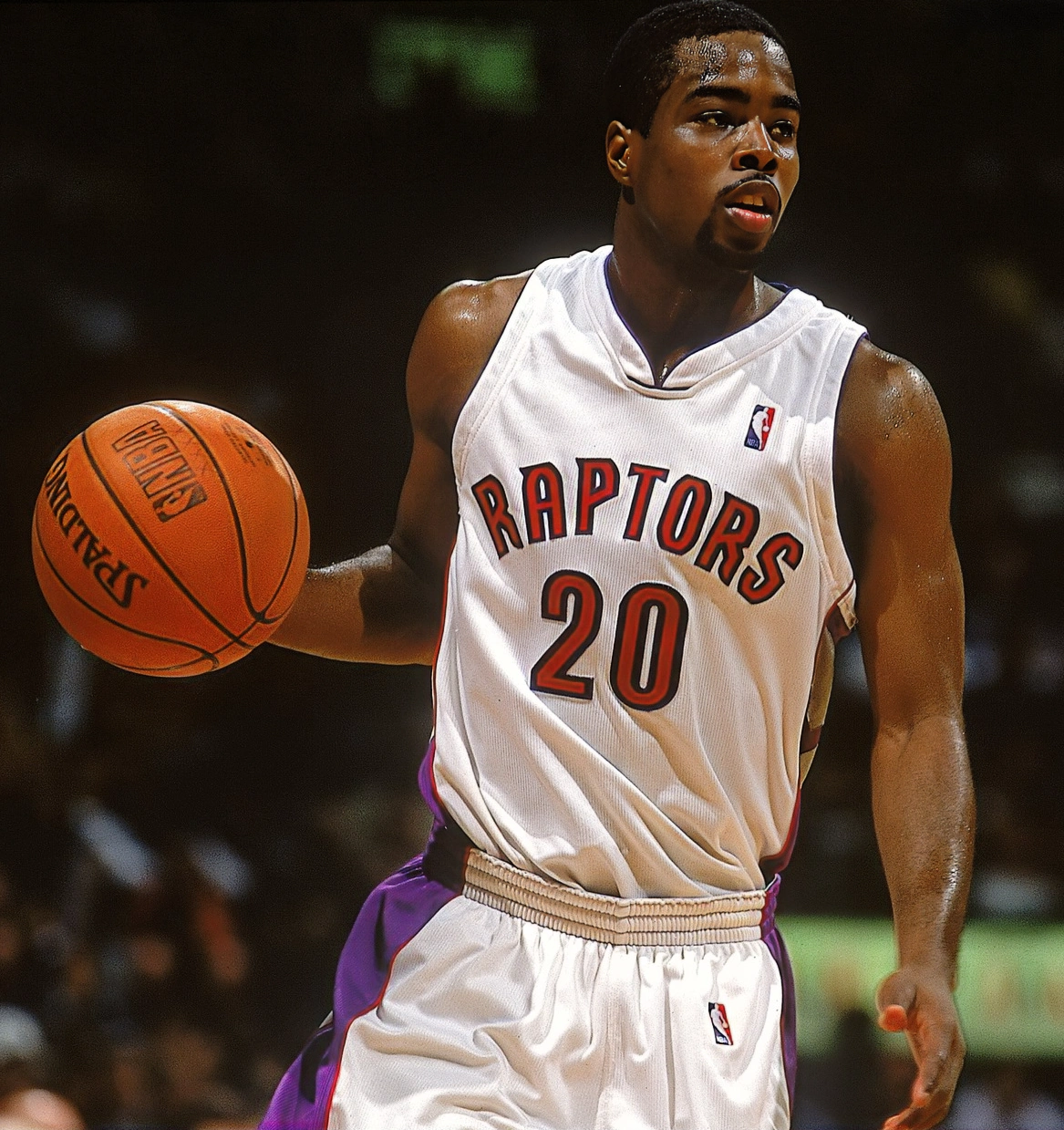
| 2 Quotes | |
| Born as | Alvin Leon Williams Jr. |
| Occup. | Athlete |
| From | USA |
| Born | August 6, 1974 Philadelphia, Pennsylvania, USA |
| Age | 51 years |
| Cite | |
Citation Formats
APA Style (7th ed.)
Alvin williams biography, facts and quotes. (2026, February 11). FixQuotes. https://fixquotes.com/authors/alvin-williams/
Chicago Style
"Alvin Williams biography, facts and quotes." FixQuotes. February 11, 2026. https://fixquotes.com/authors/alvin-williams/.
MLA Style (9th ed.)
"Alvin Williams biography, facts and quotes." FixQuotes, 11 Feb. 2026, https://fixquotes.com/authors/alvin-williams/. Accessed 25 Mar. 2026.
Early Life
Alvin Leon Williams Jr. was born in 1974 and raised in Philadelphia, Pennsylvania, a city where basketball culture is woven into neighborhood life. Growing up in an environment that prized toughness and creativity on the court, he learned early how to handle pressure and compete with older, stronger players. Those formative Philadelphia runs, along with the guidance of family and local coaches, helped shape his composure, his defensive instincts, and his team-first mentality. By the time he reached college age, Williams had earned a reputation as a smart guard with size, a steady handle, and an ability to guard multiple positions.College Career
Williams attended Villanova University, an elite program in the Big East known for disciplined guard play and tough defense. Under head coach Steve Lappas, he refined his game, moving beyond his streetball roots and developing into a two-way floor general who could orchestrate an offense and set a defensive tone. At Villanova he faced some of the best guards in the country on a nightly basis, testing his footwork, timing, and leadership. The program asked him to be more than a scorer: he was a primary ball-handler, a late-game decision-maker, and a perimeter stopper. Those responsibilities prepared him for the demands of the professional game and forged the calm, measured style that would define his career.Entry Into the NBA
Williams entered the NBA in 1997 as a second-round pick of the Portland Trail Blazers. The start of his professional journey coincided with a period of heavy roster movement, and he was soon traded to the Toronto Raptors during his rookie season. The deal that brought him to Toronto was part of a pivotal franchise moment connected to the departure of Damon Stoudamire, and it thrust Williams into a team searching for identity and stability. In Toronto, he found an organization and a fan base that valued his reliability and defensive grit.Toronto Raptors Years
Toronto became the center of Williams's pro career. As the roster coalesced around emerging star Vince Carter and young talent like Tracy McGrady, Williams provided on-ball defense, secondary scoring, and a steady presence at point guard. He played under head coaches Butch Carter and later Lenny Wilkens, adapting to different systems while maintaining his core strengths: guarding the opponent's best perimeter player, getting the ball to scorers in their spots, and controlling pace.The 2000-01 season marked a breakthrough for the Raptors, who earned the franchise's first-ever playoff series win by defeating the New York Knicks. Williams's contributions were clear even when they did not fill box-score headlines. He helped contain opposing guards, initiated the half-court offense, and delivered under pressure, allowing teammates like Vince Carter, Antonio Davis, and veteran enforcer Charles Oakley to operate with confidence. In the second round against the Philadelphia 76ers, Toronto fell short in a tightly contested series, but Williams's poise throughout that run deepened his connection with the team and its supporters.
Playing Style and Strengths
Williams was a strong, savvy guard who could play on or off the ball. He prized defense, using footwork, anticipation, and length to bother shooters and keep ball-handlers in front. On offense, he was patient, selective, and efficient, favoring midrange looks, timely drives, and smart reads over gaudy volume. During his best years in the early 2000s he was a double-figure scorer and the primary ball-handler, but he never strayed from the team-centric approach that won the trust of coaches and teammates. His game was built for tough playoff possessions: slow the pace, get the ball to a scorer in rhythm, and make the right rotation at the other end.Adversity and Resilience
Williams's ascent was challenged by significant knee issues that became a recurring theme in the middle of his career. The injuries limited his availability and eventually curtailed his time as a starter. Rehab demanded patience, persistence, and the same discipline he brought to game preparation. Even when he could not log heavy minutes, he remained a vocal presence on the bench and in practice, mentoring younger players such as Morris Peterson and reinforcing a culture of accountability. His reputation for professionalism was rooted in how he carried himself through these setbacks, staying engaged and supporting the team.Later Career and Transition
As injuries mounted, Williams's on-court role diminished and his playing career wound down. Yet his standing within the Toronto basketball community remained strong. Coaches and executives leaned on him for insight into guard play, team chemistry, and the particular pressures of running a modern NBA offense. After retiring, he stayed connected to the game through development, mentorship, and media work, continuing to be a recognizable voice associated with the Raptors. His credibility derived not from celebrity but from years of doing the quiet things teams need to win: preparation, communication, and defense.Influences and Relationships
The people around Williams reveal the arc of his growth. At Villanova, Steve Lappas demanded organization and discipline, shaping him into a leader who could manage a game plan. In Toronto, working under Butch Carter and Hall of Famer Lenny Wilkens, he deepened his understanding of spacing, late-game execution, and the value of trust between a coach and point guard. Playing alongside Vince Carter raised the ceiling of the offense and required Williams to balance tempo and shot distribution; sharing the backcourt and locker room with competitors like Tracy McGrady, and frontcourt veterans such as Antonio Davis and Charles Oakley, added layers of toughness and accountability. Even the trade dynamics involving Damon Stoudamire, which first brought Williams to Toronto, underscored the business realities of the league and sharpened his professional resilience.Legacy
Alvin Leon Williams Jr. is remembered foremost as a steady, two-way guard who helped Toronto establish credibility in the early 2000s. His role in the franchise's first series win, his stretch of strong seasons at the point, and his steadfast approach through injuries earned him lasting respect among teammates, coaches, and fans. Beyond the stat lines, he offered a model for how to lead without headlines: guard the best player, run the set, take care of the ball, keep the locker room steady, and do it again the next night.His trajectory from Philadelphia playgrounds to Villanova to the NBA reflected a consistent through-line: growth through discipline and defense. In retirement he continued to support players and the broader basketball community, bringing the same even-keeled perspective to development and analysis that he once brought to the court. For those who watched the Raptors find their footing as a franchise, Williams stands as a central figure in a formative era, defined by unflashy excellence, perseverance, and a deep commitment to team.
Our collection contains 2 quotes written by Alvin, under the main topics: Justice - Vision & Strategy.
Source / external links