
Amelia Barr Biography Quotes 16 Report mistakes
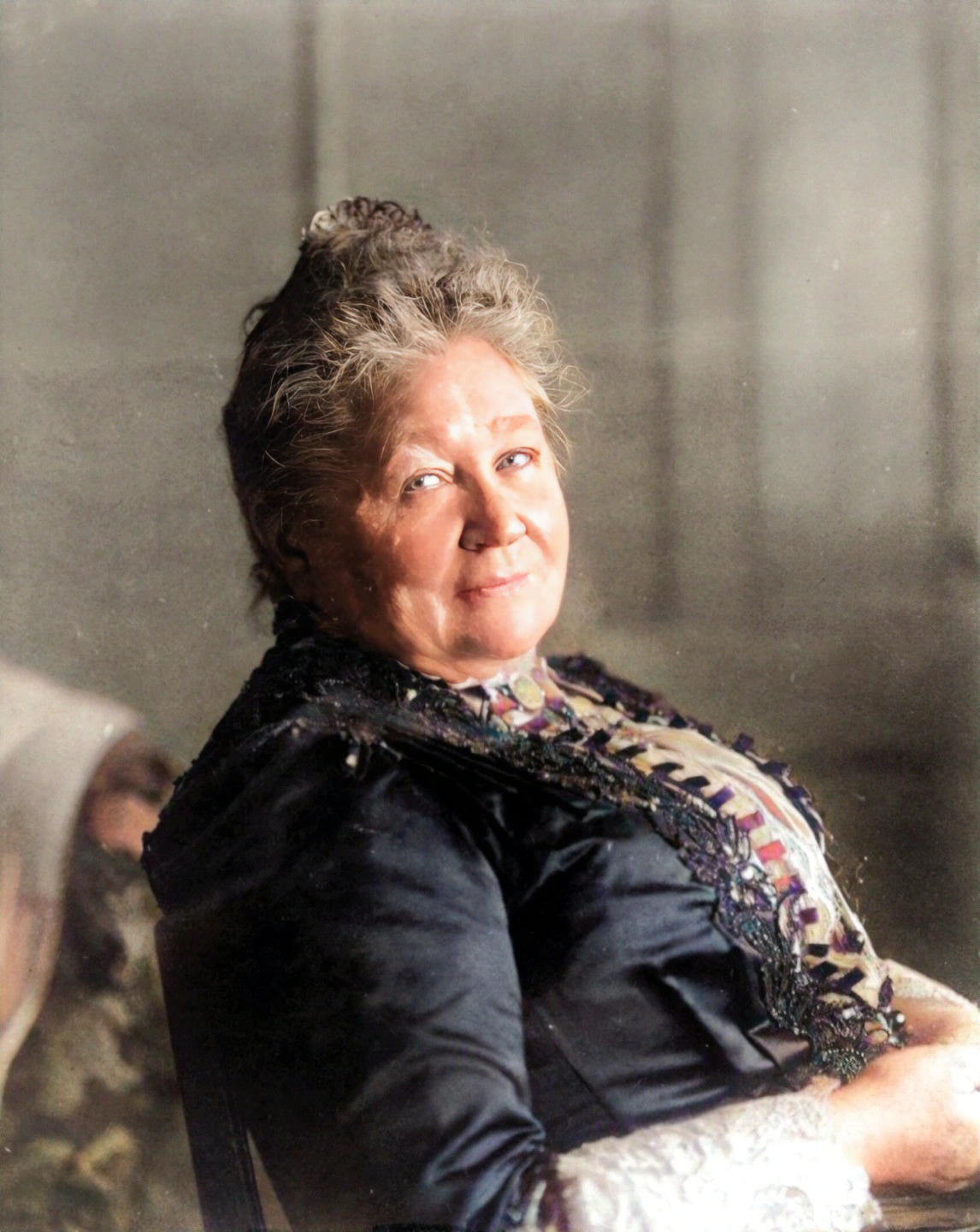
Attr: See page for author, Public domain
| 16 Quotes | |
| Born as | Amelia Edith Huddleston |
| Known as | Amelia Edith Huddleston Barr |
| Occup. | Novelist |
| From | United Kingdom |
| Spouse | William Barr (1850-1867) |
| Born | March 29, 1831 Ulverston, Lancashire, England |
| Died | March 10, 1919 Richmond Hill, Queens, New York, US |
| Aged | 87 years |
| Cite | |
Citation Formats
APA Style (7th ed.)
Amelia barr biography, facts and quotes. (2026, February 11). FixQuotes. https://fixquotes.com/authors/amelia-barr/
Chicago Style
"Amelia Barr biography, facts and quotes." FixQuotes. February 11, 2026. https://fixquotes.com/authors/amelia-barr/.
MLA Style (9th ed.)
"Amelia Barr biography, facts and quotes." FixQuotes, 11 Feb. 2026, https://fixquotes.com/authors/amelia-barr/. Accessed 25 Mar. 2026.
Early Life and Background
Amelia Edith Huddleston was born on March 29, 1831, in Ulverston, Lancashire, a market town shaped by coastal trade and the nearby shipyards of the Furness peninsula. She grew up in a Britain confident in industry yet restless beneath its certainties - an era of steam, imperial routes, and widening class divides. Her early imagination formed in the borderland between sea and mill: the disciplined routines of Anglican domestic life alongside the folk memory and seafaring talk of the Irish Sea, a tension that later fed her novels of households tested by money, migration, and moral choice.In 1850 she married a Scottish clergyman, Robert Barr, and became Amelia E. Barr, a name that would eventually signal both marital identity and professional authority. The marriage carried her away from her birthplace and into the mobile, transatlantic world of Victorian emigrants. That habit of departure - of lives re-made by relocation - became central to her inner life: she wrote as someone for whom home was not a fixed address but a set of loyalties under strain, sustained by memory, faith, and stubborn hope.
Education and Formative Influences
Barr did not follow a formal university path, but she was intensely self-educated in the manner of many ambitious Victorian women, reading history, sermons, and fiction while cultivating a sharp ear for regional speech. Living for periods in Scotland and then settling in the United States, she absorbed Presbyterian moral seriousness, Highland and Lowland storytelling, and the immigrant experience of identity negotiated in a new country. The 19th century novel - with its attention to conscience, inheritance, and social constraint - gave her a working model, but she also learned from life in parsonages and boardinghouses, where private crises unfold behind public respectability.Career, Major Works, and Turning Points
After moving to Texas and later New York, Barr turned to writing when financial necessity and personal upheaval made authorship not a pastime but a vocation; the deaths of close family members and the precariousness of immigrant life sharpened her sense that sentiment, when honest, is a form of realism. She published prolifically from the 1870s onward, building a reputation for domestic and regional novels that moved between England, Scotland, and America. Among her most enduring books are "Jan Vedder's Wife" (1885), with its Orkney setting and hard moral weather, and "A Singer from the Sea" (1900), which drew on the romance and costs of maritime and migrant lives. By the turn of the century she was a recognized professional in New York literary circles, sustaining herself through a long career that blended popular appeal with a disciplined moral intelligence.Philosophy, Style, and Themes
Barrs fiction is governed by an inward ethic: character is forged in kitchens, sickrooms, and small acts of keeping faith. She distrusted melodrama as a substitute for feeling, yet she valued intensity when it rose naturally from ordinary circumstances. Her best work insists that the domestic sphere is not secondary to history but its emotional engine, a view she summarized with unusual clarity: “That is the great mistake about the affections. It is not the rise and fall of empires, the birth and death of kings, or the marching of armies that move them most. When they answer from their depths, it is to the domestic joys and tragedies of life”. Psychologically, this is the credo of a writer who survived dislocation by locating meaning in the intimate - in marriage vows tested by poverty, in motherhood shadowed by loss, in community rules that both protect and wound.Her style favors lucid narration, moral contrast, and dialogue attentive to class and regional cadence. Beneath the plain surface is a metaphysics of providence tempered by practicality: she could sound almost stern about the cost of desire and success, as in her reminder that “This world is run with far too tight a rein for luck to interfere. Fortune sells her wares; she never gives them. In some form or other, we pay for her favors; or we go empty away”. Yet she paired that hardness with a consoling sense that life, however chaotic, has patterns that reveal themselves after endurance - “Events that are predestined require but little management. They manage themselves. They slip into place while we sleep, and suddenly we are aware that the thing we fear to attempt, is already accomplished”. Taken together, these sentences map her interior landscape: disciplined hope, earned rather than wished for, and a belief that moral effort matters even when destiny feels inevitable.
Legacy and Influence
Barr died on March 10, 1919, after witnessing the Victorian world that formed her dissolve into modernity. Her reputation, once sustained by a wide general readership, later narrowed as literary fashion turned away from moral domestic realism, yet her work remains a rich record of transatlantic womanhood - how faith, work, and family were negotiated across migration and grief. For readers and writers interested in regional voice, the ethics of everyday life, and the emotional history that official chronicles omit, Barr endures as a novelist who treated private experience as consequential and who proved, by sheer professional persistence, that a woman could build an independent literary life in the long 19th century.Our collection contains 16 quotes written by Amelia, under the main topics: Wisdom - Justice - Love - Deep - Hope.
Amelia Barr Famous Works
- 1910 The Lion's Whelp (Novel)
- 1886 A Daughter of Fife (Novel)
- 1885 Jan Vedder's Wife (Novel)
Source / external links