
Amy Goodman Biography Quotes 5 Report mistakes
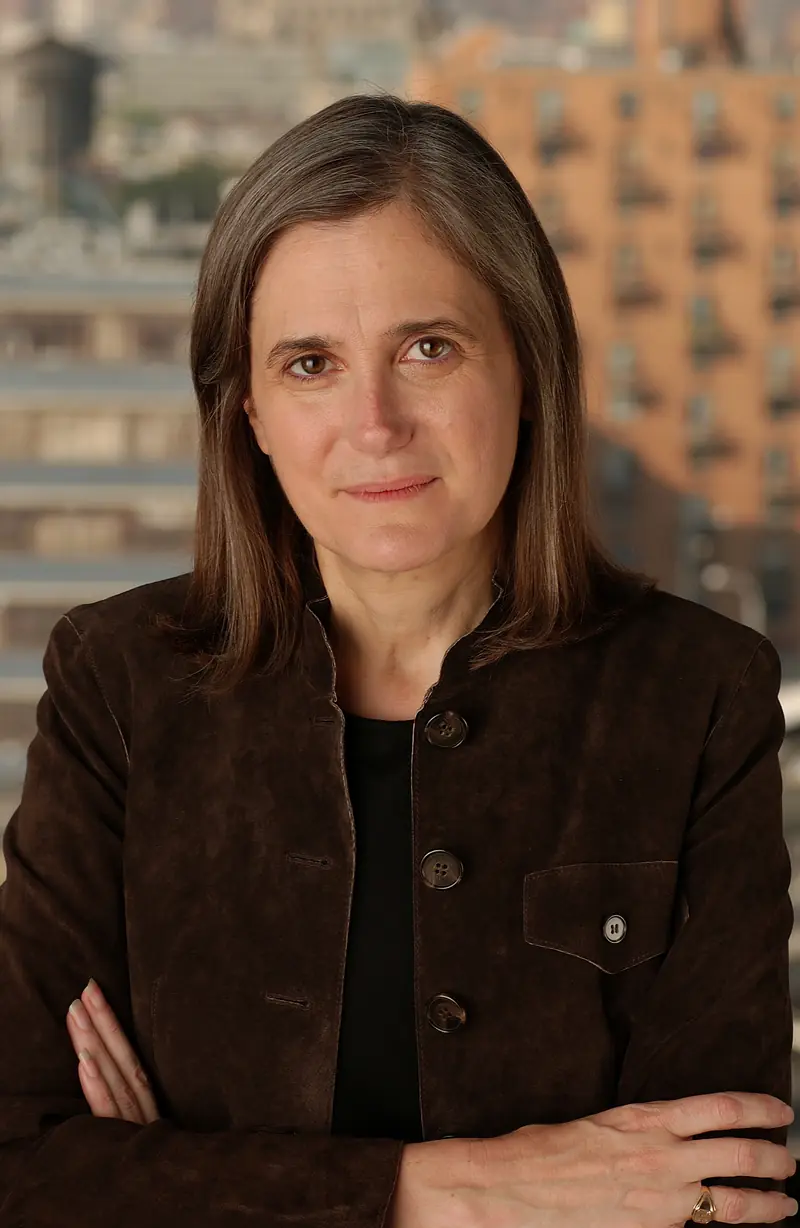
| 5 Quotes | |
| Occup. | Journalist |
| From | USA |
| Born | April 13, 1957 Bay Shore, New York |
| Age | 68 years |
Amy Goodman was born in 1957 in Bay Shore, New York, and came of age on Long Island before heading to college to study anthropology. She completed her undergraduate studies at Radcliffe College of Harvard University, where she was drawn early to social movements, grassroots organizing, and the craft of reporting. Those interests, already visible in her campus activity and early fieldwork, would define a career committed to amplifying voices often sidelined by mainstream media.
Early Career and Pacifica Radio
Goodman began her professional reporting with Pacifica Radio, the listener-supported network known for public affairs programming and independent editorial control. Working out of WBAI in New York City, she took on assignments that prioritized deep context over sound bites. In an era of consolidating media ownership, Pacifica's structure gave her a laboratory for long-form interviews, investigative segments, and global coverage that often challenged official narratives.
Reporting in Conflict Zones
Goodman's international work drew particular attention in the early 1990s. In 1991, while reporting in East Timor, she and fellow journalist Allen Nairn witnessed the Santa Cruz massacre in Dili, where Indonesian troops opened fire on unarmed civilians. Both reporters were beaten by soldiers; Nairn suffered a fractured skull. Their eyewitness accounts helped bring global scrutiny to a crisis the wider press had largely overlooked. Years later, Goodman's reporting from the Niger Delta culminated in the documentary investigation Drilling and Killing: Chevron and Nigeria's Oil Dictatorship, produced with colleagues at Pacifica. The investigation examined the relationships among oil companies, state forces, and human rights abuses; it received major journalism honors and solidified her reputation for probing corporate and governmental power.
Founding Democracy Now!
In 1996, Goodman helped launch Democracy Now!, a daily news hour initially carried by Pacifica stations. From its earliest broadcasts, the program leaned on extended interviews and documentary evidence rather than punditry. She anchored the show with veteran reporter Juan Gonzalez, whose city desk experience and investigative work brought a complementary focus. Over time, the program expanded to television and online distribution, adopting a public-media model eschewing corporate underwriting and government funding. Goodman and her colleagues, including Gonzalez, Nermeen Shaikh as a co-host, and correspondents such as Jeremy Scahill, cultivated a platform where activists, scholars, frontline witnesses, and policymakers could be questioned at length. The show's independence relied on a network of producers and editors; Denis Moynihan became a key collaborator on distribution and public events, while field producers like Nicole Salazar and Sharif Abdel Kouddous helped build a global footprint.
Press Freedom and Legal Challenges
Goodman's insistence on reporting from protest sites and conflict zones occasionally put her at odds with authorities. In 2008, while covering demonstrations surrounding the Republican National Convention in St. Paul, she was detained along with Salazar and Abdel Kouddous; the charges were dropped, and the journalists later reached a legal settlement that underscored press rights in public spaces. In 2016, she traveled to North Dakota to cover resistance to the Dakota Access Pipeline. After airing footage of private security contractors using dogs and pepper spray on protesters, she faced a warrant and was charged in relation to her reporting; a judge dismissed the case, citing First Amendment protections. Episodes like these shaped her public advocacy for reporters' right to document events in real time.
Books and Collaborations
Goodman extended her journalism into print through collaborations that explore media, politics, and social movements. With her brother, investigative journalist David Goodman, she co-authored books including The Exception to the Rulers and Static, which examine how concentrated media ownership and political power can narrow public debate. She later collaborated with Denis Moynihan on titles such as The Silenced Majority and a retrospective tracing the first two decades of Democracy Now!. The books reflect the same editorial approach as the broadcast: primary documents, testimonies from those directly affected by policy decisions, and skepticism toward conventional wisdom.
Awards and Recognition
Over the years, Goodman and her colleagues have received numerous journalism awards for investigative reporting, human rights coverage, and public service broadcasting. The Chevron investigation drew the George Polk Award. Her body of work has been honored internationally, including with the Right Livelihood Award, sometimes referred to as the "Alternative Nobel", recognizing her role in building independent media as a public trust. These acknowledgments frequently cite not only her on-air presence but also the collective contributions of her core team and collaborators, among them Juan Gonzalez, Nermeen Shaikh, Jeremy Scahill, David Goodman, and Denis Moynihan.
Editorial Approach and Influence
Goodman's signature method centers on giving extended airtime to witnesses and experts who can document policy impacts on the ground: survivors of war, labor organizers, whistleblowers, scientists, and legal advocates. Her interviews with figures such as Noam Chomsky, Arundhati Roy, Ai-jen Poo, and a wide range of frontline activists have provided continuity in debates about war, climate, labor, and civil rights. By resisting the compression of complex stories into short segments, she helped normalize long-form, ad-free news programming across radio, television, and digital platforms. The daily archive of Democracy Now! became a resource used in classrooms and community forums, connecting scholarship and civic action.
Continuing Work and Legacy
From the beginning of her career at WBAI to the multi-platform reach of Democracy Now!, Goodman has argued that independent media is essential infrastructure for a functioning democracy. She champions listener and viewer support as a shield against commercial pressures and a guarantor of editorial autonomy. Her collaborations with Allen Nairn on human rights, with Juan Gonzalez on urban politics and labor, with Nermeen Shaikh on global affairs, and with David Goodman and Denis Moynihan in publishing and public engagement, map the professional relationships that sustained her work.
Goodman's legacy rests on three pillars: field reporting that risks proximity to power and protest; a broadcast model that centers extended testimony and transparency; and a public-facing archive that preserves the historical record of movements often omitted from mainstream coverage. For audiences seeking unvarnished accounts of events and decision-makers willing to answer sustained, granular questions, her career offers a persistent case for journalism as a civic good.
Our collection contains 5 quotes who is written by Amy, under the main topics: Truth - Freedom - Human Rights - War.
Amy Goodman Famous Works
- 2016 Democracy Now!: Twenty Years Covering the Movements Changing America (Book)
- 2009 Breaking the Sound Barrier (Book)
- 2008 Standing Up to the Madness: Ordinary Heroes in Extraordinary Times (Book)
- 2006 Static: Government Liars, Media Cheerleaders, and the People Who Fight Back (Book)
- 2004 The Exception to the Rulers: Exposing Oily Politicians, War Profiteers, and the Media That Love Them (Book)
Source / external links