
Andrew Huberman Biography Quotes 12 Report mistakes
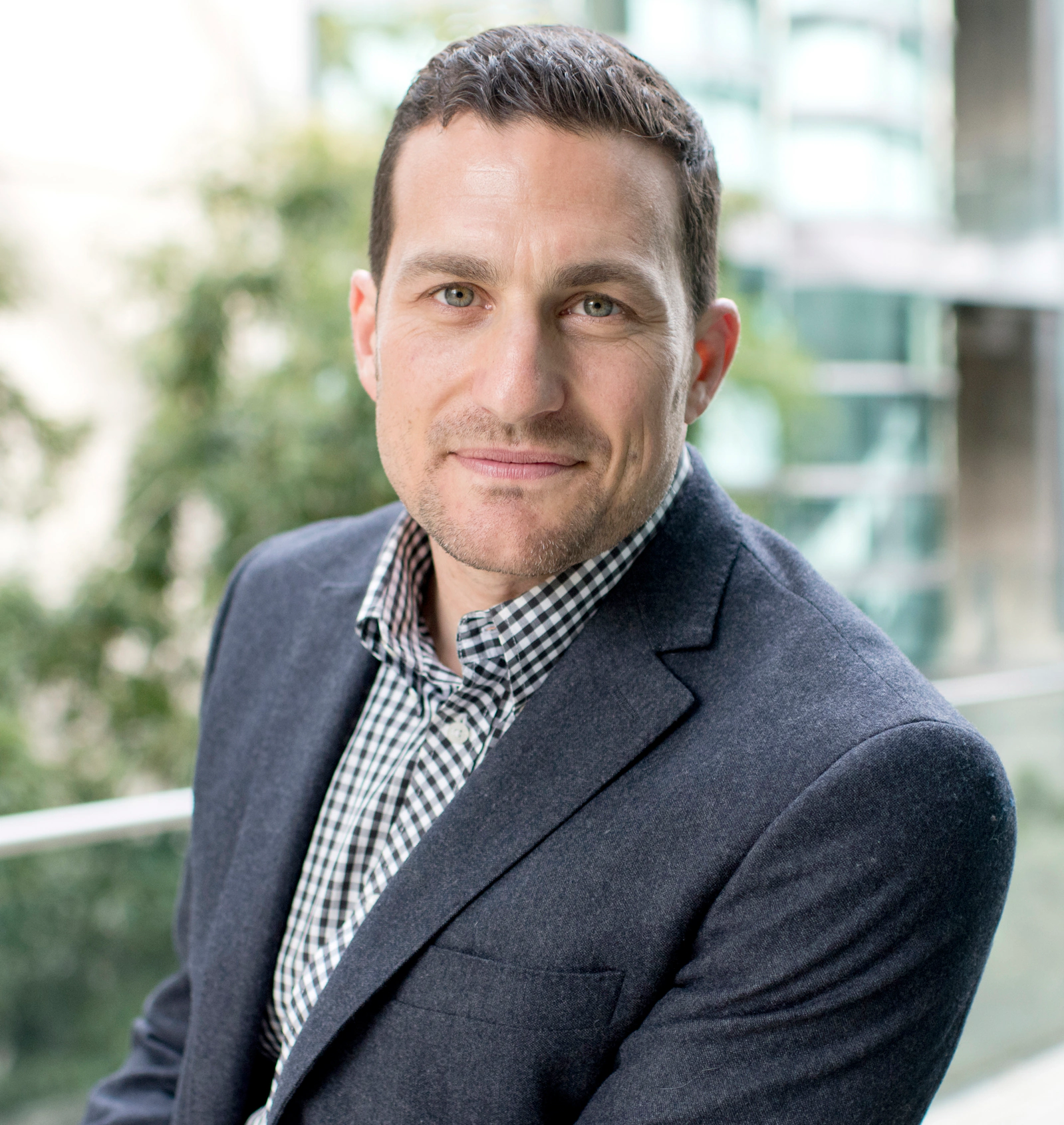
Attr: Jamesbrianbounds
| 12 Quotes | |
| Known as | Andrew D. Huberman |
| Occup. | Scientist |
| From | USA |
| Born | 1975 Palo Alto, California, USA |
| Cite | |
Citation Formats
APA Style (7th ed.)
Andrew huberman biography, facts and quotes. (2026, February 11). FixQuotes. https://fixquotes.com/authors/andrew-huberman/
Chicago Style
"Andrew Huberman biography, facts and quotes." FixQuotes. February 11, 2026. https://fixquotes.com/authors/andrew-huberman/.
MLA Style (9th ed.)
"Andrew Huberman biography, facts and quotes." FixQuotes, 11 Feb. 2026, https://fixquotes.com/authors/andrew-huberman/. Accessed 7 Mar. 2026.
Early Life and Background
Andrew D. Huberman was born in 1975 in the United States and came of age in Northern California in the shadow of two forces that would later define his public identity - the Bay Area's research culture and its intense, self-inventing wellness ethos. Raised around the peninsula corridor where university labs, startups, and outdoor endurance culture overlap, he learned early that achievement could be argued in data and lived in the body. That tension - between measurable mechanisms and personal change - became his lifelong preoccupation.Huberman has described a youth that was not neatly linear, marked by restlessness and an attraction to intensity before he found stable traction in science. The inner story that emerges from his later work is of someone trying to convert volatility into method: to take the raw sensations of stress, drive, and attention and ask what circuitry makes them rise and fall. In the 1990s, when neuroscience was rapidly professionalizing around imaging, molecular tools, and the promise of translational medicine, he was drawn toward questions that made everyday experience feel like a legitimate experimental variable.
Education and Formative Influences
He pursued higher education in California, ultimately earning a PhD in neuroscience, then training further through postdoctoral work that placed him inside the modern pipeline of academic biology - publish, replicate, translate. His formative influences were less a single mentor than a set of methodological commitments: rigorous animal and human research, the emerging language of neural circuits, and a culture of lab accountability that treats skepticism as care for the truth. In parallel, the growing public appetite for evidence-based self-improvement - from sleep science to cognitive training - gave him a second audience long before he intentionally sought one.Career, Major Works, and Turning Points
Huberman became a neuroscientist and professor at Stanford University School of Medicine, where his laboratory has been associated with work on neural plasticity, vision, and stress-related physiology - the ways the brain changes with experience, injury, and deliberate training. His major turning point as a public figure arrived with the launch of the Huberman Lab Podcast in the early 2020s, a period when pandemic-era anxiety, remote work, and health polarization created demand for calm, mechanistic explanations. The show - long-form, didactic, and citation-forward by popular standards - recast the scientist as a translator: not merely reporting findings, but teaching listeners how to evaluate claims, design habits, and understand the cost-benefit tradeoffs of interventions from light exposure and sleep scheduling to breathing protocols and cold water.Philosophy, Style, and Themes
Huberman's philosophy begins with a blunt premise: the nervous system is trainable, and everyday actions are inputs to plasticity. He frames behavior as engineering - levers, protocols, and feedback loops - but the psychological subtext is gentler: people want agency, and agency arrives faster when goals are reduced to controllable variables. Hence his emphasis on circadian anchors and "small gates" that precede identity change: “Don't try to win the day, win the first hour, and the rest of the day is much easier to shape”. In his world, discipline is not moral virtue; it is an environment you build around attention, light, sleep, movement, and recovery.A second theme is the regulation of internal state as the hidden driver of consistency. He repeatedly translates motivation, focus, and calm into physiology, insisting that the mind is not a floating narrator but a biological process with switches and fuel lines. “Motivation is not a trait; it's a state, and dopamine is a major driver of that state”. That view also yields an ethical warning about modern stimulation: “If you always layer dopamine on top of dopamine, you reduce your capacity to feel motivated by the things that matter most”. Stylistically, he is mechanistic but pastoral - a professorly cadence that can sound like certainty even when the underlying literature is probabilistic. The enduring appeal is psychological: he offers listeners a way to read their cravings and fatigue not as personal failure, but as signals - and then gives them tools to shape those signals.
Legacy and Influence
Huberman's influence sits at the intersection of academic neuroscience, public health communication, and the sprawling self-optimization marketplace. He helped normalize long-form, study-referenced science media for mass audiences, making terms like "circadian rhythm", "dopamine", and "neuroplasticity" part of everyday planning while encouraging skepticism about miracle cures and urging attention to fundamentals like sleep, light, and stress regulation. His legacy will likely be debated on two fronts: admirers credit him with raising the scientific literacy of wellness culture; critics question whether any podcast can reliably police nuance at scale. Either way, he represents a defining figure of the 2020s - a scientist shaping public behavior by turning inner life into experiments people can run on themselves.Our collection contains 12 quotes written by Andrew, under the main topics: Motivational - Resilience - Health - Mental Health - Self-Discipline.
Frequently Asked Questions
- Andrew Huberman books: Andrew Huberman is best known for his scientific work and the Huberman Lab Podcast, and Andrew Huberman is not widely documented as the author of a major standalone book in reliable sources.
Source / external links