
Andy Rooney Biography Quotes 42 Report mistakes
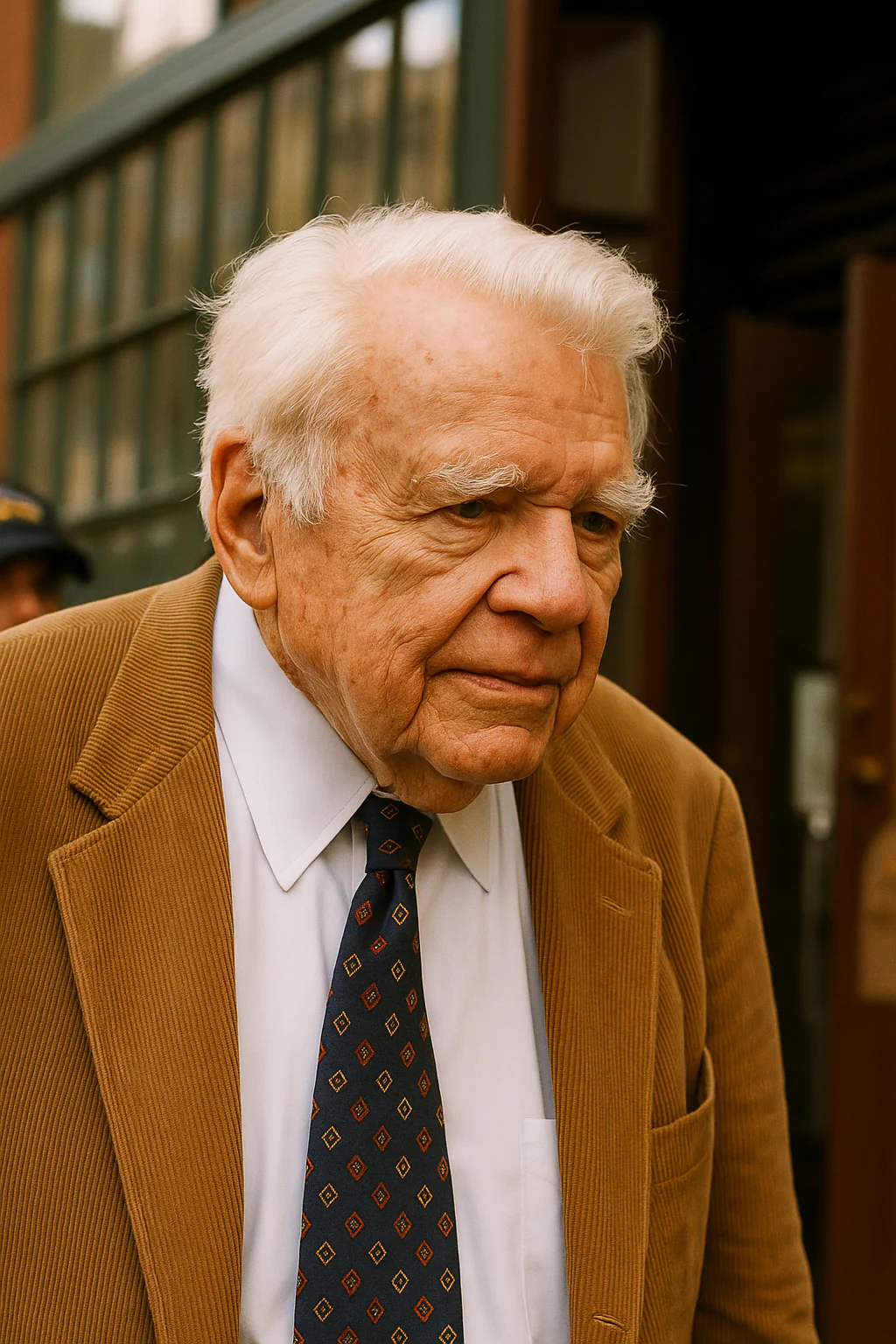
| 42 Quotes | |
| Born as | Andrew Aitken Rooney |
| Occup. | Journalist |
| From | USA |
| Spouse | Marguerite Rooney (1942-2004) |
| Born | January 14, 1919 Albany, New York, U.S. |
| Died | November 4, 2011 New York City, USA |
| Aged | 92 years |
| Cite | |
Citation Formats
APA Style (7th ed.)
Andy rooney biography, facts and quotes. (2026, February 11). FixQuotes. https://fixquotes.com/authors/andy-rooney/
Chicago Style
"Andy Rooney biography, facts and quotes." FixQuotes. February 11, 2026. https://fixquotes.com/authors/andy-rooney/.
MLA Style (9th ed.)
"Andy Rooney biography, facts and quotes." FixQuotes, 11 Feb. 2026, https://fixquotes.com/authors/andy-rooney/. Accessed 6 Mar. 2026.
Early Life and Background
Andrew Aitken Rooney was born on January 14, 1919, in Albany, New York, into an Irish-American Catholic household where words mattered and arguments were a kind of sport. His father, a hard-driving columnist, and his mother, a steadying presence in a busy home, raised him in an era when newspapers were civic institutions and radio was reshaping the American ear. Rooney grew up during Prohibition and came of age in the Great Depression, absorbing early the mismatch between official pieties and everyday reality that would later fuel his comic skepticism.The rhythms of upstate New York - school, church, and the blunt practicality of a city built on government and commerce - gave him both ordinariness and a vantage point. He learned to watch people: the way they dodged responsibility, the way they used language to hide motives, the way small conveniences became moral battlegrounds. That observational habit would become his lifelong instrument, and it was forged not in celebrity but in the ordinary frictions of family life and public talk.
Education and Formative Influences
Rooney attended The Albany Academy and later Siena College before transferring to Colgate University, where he graduated in 1940. He loved language for its utility more than its elegance, and he sharpened his voice in the traditions of American newspaper humorists and plainspoken editorialists - writers who could turn a commonplace into an argument and a quip into a verdict. The looming war also shaped him: it demanded facts, rewarded clarity, and made sentimentality feel suspect.Career, Major Works, and Turning Points
After graduation Rooney went into journalism and soon found himself swept into World War II reporting, writing for Stars and Stripes and covering the war in Europe. His experiences led to one of his best-known early books, My War (1995), a memoir of wartime reporting that treated combat less as epic than as a daily grind of danger, boredom, error, and luck. Postwar, he moved into the new power medium - television - writing for Arthur Godfrey and later for CBS, where his work on the documentary-essay series CBS Reports helped define a serious public-affairs style. The decisive turning point came in 1978 when he began his signature on-air commentaries on 60 Minutes, a weekly slot that turned the fussy irritations of modern life into a national conversation and made him, improbably, a household philosopher of the small. Over decades he published collections that extended that voice to print, including Sincerely, Andy Rooney (1999) and Years of Minutes (2003), while his final years were complicated by controversy over remarks widely criticized as offensive, followed by his apology and a diminished public role; he retired from 60 Minutes in 2011 and died in New York on November 4, 2011, at age 92.Philosophy, Style, and Themes
Rooney wrote as if he were thinking out loud at the kitchen table, but the apparent casualness was a practiced illusion. His pieces often began with the smallest object - a label, a menu, a tool, a phrase people misuse - then tightened into an argument about how institutions treat individuals. He distrusted grand systems, not because he lacked moral seriousness, but because he believed modern life was mainly governed by incentives, habits, and self-protective storytelling. His work is comedy built from impatience: impatience with euphemism, with bureaucratic language, with fake friendliness, with the little lies that make big ones easier.Psychologically, his humor was a defense against credulity and a way to keep control of a world that kept changing. He assumed the mind resists correction, insisting, “People will generally accept facts as truth only if the facts agree with what they already believe”. That suspicion of motivated reasoning made him an equal-opportunity critic: he punctured liberals, conservatives, advertisers, networks, and himself, often implying that certainty is merely vanity. He also framed ordinary life as a rigged game of probability and embarrassment, joking, “The 50-50-90 rule: Anytime you have a 50-50 chance of getting something right, there's a 90% probability you'll get it wrong”. Beneath the jokes ran a late-life clarity about time: “It's paradoxical, that the idea of living a long life appeals to everyone, but the idea of getting old doesn't appeal to anyone”. In that paradox he found his deepest theme - the human wish to be exempt from the costs of being alive.
Legacy and Influence
Rooney helped legitimize the short televised essay as both journalism and literature, proving that a curmudgeonly voice could be intimate without being confessional and critical without being cruel. His influence is visible in the cadence of later TV and radio commentators, in newspaper columnists who treat consumer life as civic life, and in the internet-era essay that begins with a nuisance and ends with a judgment about culture. He left a model of public thinking rooted in observation, skepticism, and language that refuses to flatter - a reminder that the everyday, examined honestly, is never merely small.Our collection contains 42 quotes written by Andy, under the main topics: Witty One-Liners - Truth - Justice - Sarcastic - Writing.
Other people related to Andy: Morley Safer (Journalist), Lesley Stahl (Journalist)
Frequently Asked Questions
- Andy Rooney eyebrows: Famous for his bushy eyebrows.
- Andy Rooney Ali G: He walked out of a spoof interview with Ali G and later said he didn’t get it.
- Andy Rooney books: A Few Minutes with Andy Rooney; My War; Not That You Asked...; Years of Minutes.
- Andy Rooney movies: Not a movie actor; he was a TV commentator (often confused with Mickey Rooney).
- Andy Rooney young: WWII-era Army journalist for Stars and Stripes.
- Andy Rooney cause of death: Complications following minor surgery (2011).
- How old was Andy Rooney? He became 92 years old
Source / external links