
Anita Brookner Biography Quotes 25 Report mistakes
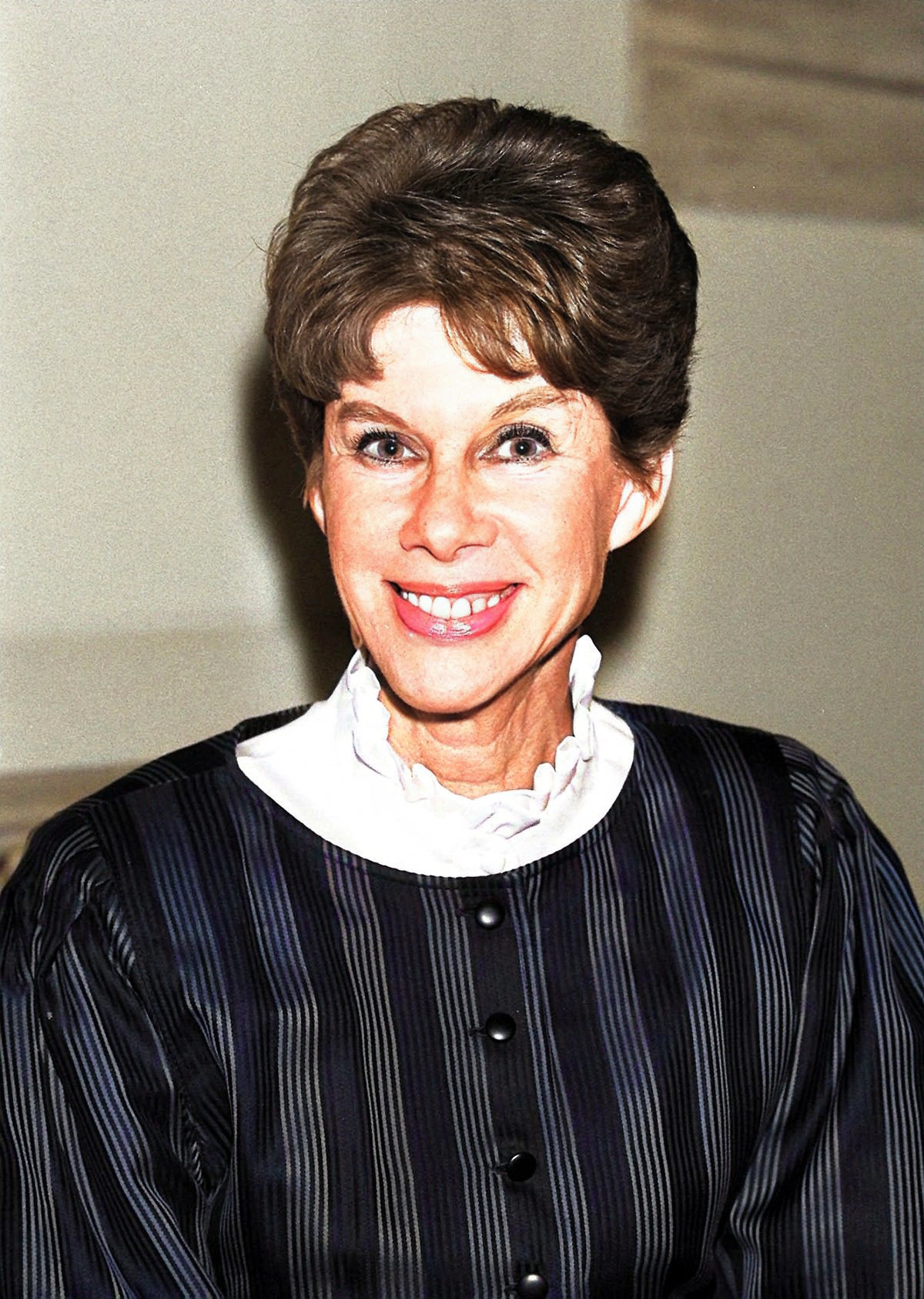
| 25 Quotes | |
| Occup. | Historian |
| From | United Kingdom |
| Born | July 16, 1938 Herne Hill, London, England |
| Died | March 10, 2016 London, England |
| Aged | 77 years |
| Cite | |
Citation Formats
APA Style (7th ed.)
Anita brookner biography, facts and quotes. (2026, February 11). FixQuotes. https://fixquotes.com/authors/anita-brookner/
Chicago Style
"Anita Brookner biography, facts and quotes." FixQuotes. February 11, 2026. https://fixquotes.com/authors/anita-brookner/.
MLA Style (9th ed.)
"Anita Brookner biography, facts and quotes." FixQuotes, 11 Feb. 2026, https://fixquotes.com/authors/anita-brookner/. Accessed 12 Feb. 2026.
Early Life and Background
Anita Brookner was born on July 16, 1938, in London, into a Jewish family whose history was marked by displacement and the precariousness of belonging. Her father, a Polish emigre, and her mother, raised in Britain after arriving from Eastern Europe as a child, carried the aftershocks of continental anti-Semitism into the routines of English middle-class life. Brookner grew up during and after the Blitz, in a city that was rebuilding its streets and its confidence, and the mood of postwar austerity - careful, watchful, and emotionally economical - stayed close to her imagination.As a child she reportedly shared her home with refugees, an early education in the quiet dramas of gratitude, shame, and restraint. That proximity to lives interrupted by history helped form the lens through which she would later view English manners: as both shelter and prison. Her fiction would return, again and again, to solitary figures who understand society too well to trust it - people who can read the room yet cannot find a place in it.
Education and Formative Influences
Brookner studied at King's College London and went on to complete doctoral research in art history, specializing in French painting and the culture of the ancien regime. The discipline of looking - the patient decoding of composition, gesture, and surface - shaped her prose long before she became known as a novelist: she learned to treat manners as a kind of portraiture, and to hear in style the moral weather of an era. French writers such as Balzac and Flaubert, and the visual intelligence of painters like Watteau and David, offered her a model for combining social exactitude with private melancholy.Career, Major Works, and Turning Points
Brookner built a formidable academic career at the Courtauld Institute of Art, University of London, becoming a leading scholar of eighteenth- and nineteenth-century French art and writing studies that joined aesthetics to social history. In 1967 she became the first woman to hold the Slade Professorship of Fine Art at the University of Cambridge - a symbolic breakthrough in a male-dominated intellectual world. Her public fame, however, arrived unexpectedly through fiction: she began publishing novels in the early 1980s and won the Booker Prize in 1984 for "Hotel du Lac", a coolly comic, inwardly devastating study of exile, romantic delusion, and self-respect. Over the next decades she produced a steady body of work - including "Providence", "Look at Me", "Latecomers", and "The Bay of Angels" - that refined her signature: a meticulous account of how small humiliations accumulate into fate.Philosophy, Style, and Themes
Brookner wrote like an art historian with a novelist's ear for embarrassment. Her sentences move with poised clarity, yet they record turbulence: longing dressed up as principle, disappointment converted into taste. She was fascinated by the compromises people make to appear reasonable, and by the price of being the one who notices. Again and again, her characters discover that honesty is not merely a virtue but a social offense - "No blame should attach to telling the truth. But it does, it does". The line captures a central Brookner psychology: a mind trained to accuracy, punished by a world that prefers agreeable fictions.Her novels are also studies in self-scrutiny, but not in the therapeutic sense. For Brookner, introspection can be both refuge and trap, a private theater that substitutes for action: "What is interesting about self-analysis is that it leads nowhere - it is an art form in itself". That recognition helps explain her recurring protagonists - often intelligent women of education and taste - who analyze themselves into stillness. Yet Brookner was no simple celebrant of resignation; she understood desire as a disruptive force, and love as something that defeats calculation rather than rewards it: "Real love is a pilgrimage. It happens when there is no strategy, but it is very rare because most people are strategists". In her moral universe, strategy is what society teaches, while pilgrimage is what the heart risks.
Legacy and Influence
Brookner died on March 10, 2016, in the United Kingdom, leaving a dual legacy: as a pioneering art historian who helped widen the authority of women in British cultural life, and as a novelist who made the inner life of the "unexceptional" feel consequential. Her influence persists in contemporary fiction that prizes psychological exactness over plot pyrotechnics, and in writers attentive to the social meanings of taste, solitude, and self-protection. If her work can seem quiet, it is the quiet of a room where everything has been heard - and where a life, examined with unsparing tact, becomes a portrait of an era.Our collection contains 25 quotes written by Anita, under the main topics: Witty One-Liners - Motivational - Wisdom - Truth - Friendship.
Source / external links