
Ann Oakley Biography Quotes 6 Report mistakes
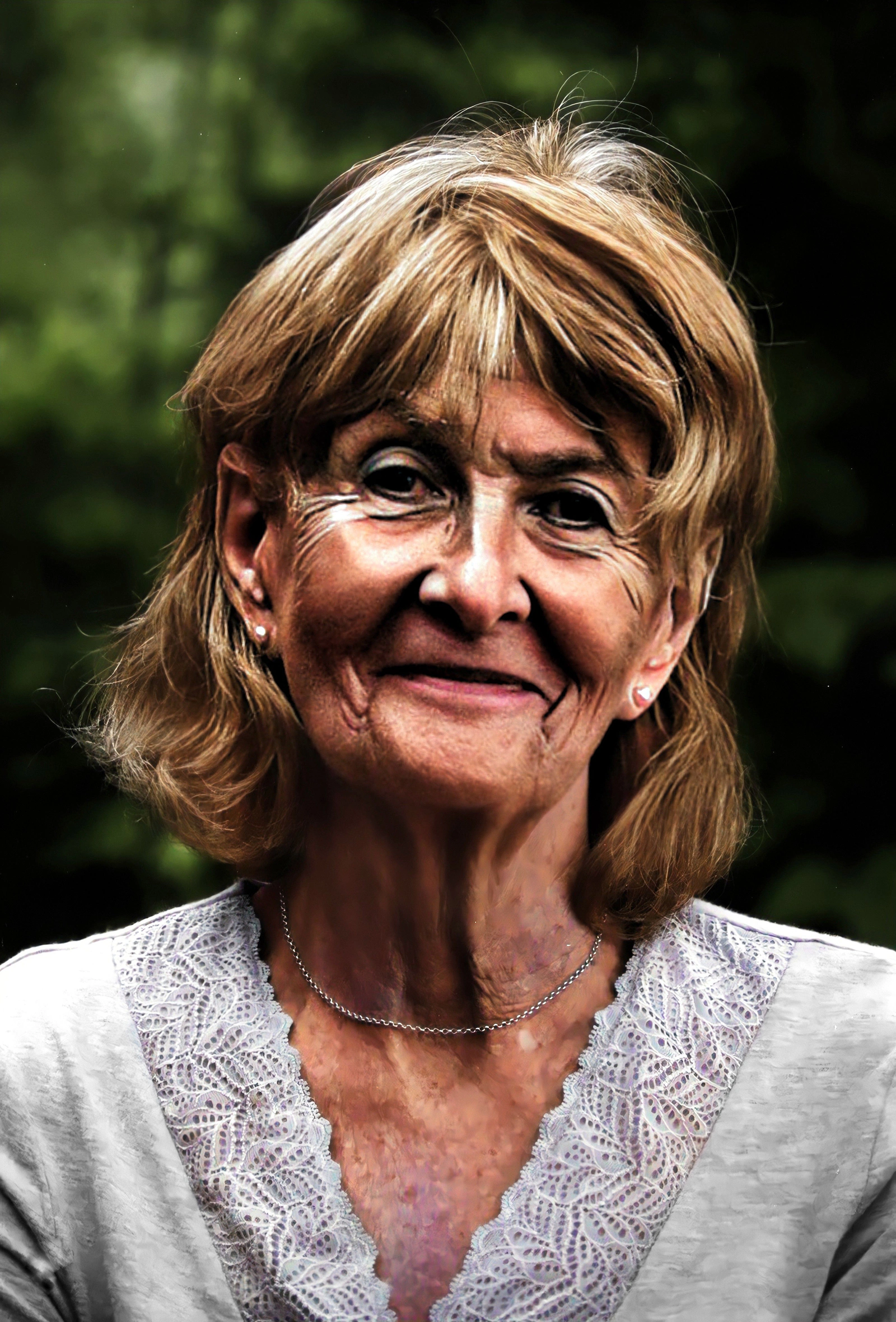
| 6 Quotes | |
| Born as | Ann Rosamund Oakley |
| Known as | Rosamund Clay |
| Occup. | Sociologist |
| From | United Kingdom |
| Born | February 19, 1944 London, United Kingdom |
| Age | 82 years |
| Cite | |
Citation Formats
APA Style (7th ed.)
Ann oakley biography, facts and quotes. (2026, February 11). FixQuotes. https://fixquotes.com/authors/ann-oakley/
Chicago Style
"Ann Oakley biography, facts and quotes." FixQuotes. February 11, 2026. https://fixquotes.com/authors/ann-oakley/.
MLA Style (9th ed.)
"Ann Oakley biography, facts and quotes." FixQuotes, 11 Feb. 2026, https://fixquotes.com/authors/ann-oakley/. Accessed 27 Mar. 2026.
Early Life and Background
Ann Rosamund Oakley was born on 19 February 1944 in the United Kingdom, into a wartime and postwar society that promised universal welfare while leaving much of domestic life organized by old certainties. The national mood combined austerity with reconstruction: rationing lingered, the National Health Service was new, and women who had been mobilized for war work were being steered back into marriage, motherhood, and the private sphere. Oakley would later make that private sphere visible as an economic and psychological system, not a natural refuge.Her family background placed her close to the cultural institutions that manufacture "common sense" about gender. Growing up amid the long shadow of Victorian moralism and the mid-century cult of respectability, she learned early how authority presents itself as benign advice. That sensitivity to the everyday language of obligation - the small instructions about what women "are" - became a lifelong motive: to trace how the most intimate routines are saturated with power, and why that saturation is so rarely named.
Education and Formative Influences
Oakley read Social Anthropology at the University of Oxford, where she absorbed comparative approaches to kinship and social organization, then took doctoral work that sharpened her interest in how institutions produce knowledge about reproduction and family life. The late 1960s and early 1970s formed her intellectually: second-wave feminism, the sociology of the family, and debates about the authority of social science methods all converged. She came to see that the question was not only what society does to women, but how research itself can collude - through supposedly neutral categories - in keeping women's work invisible.Career, Major Works, and Turning Points
Oakley became one of Britain's defining feminist sociologists, associated with the Institute of Education (University of London) and with a generation determined to re-map "the personal" as a legitimate site of inquiry. Her early books turned domestic life into an object of analytic seriousness: Sex, Gender and Society (1972) clarified the sex-gender distinction for a wide audience; The Sociology of Housework (1974) treated household labor as structured work rather than private preference; and From Here to Maternity (1979) and subsequent writing on childbirth and health questioned professional authority over women's bodies. In later decades she became a leading advocate of evidence-based social research, including systematic reviews, pressing sociology to be not only critical but methodologically accountable - a second turning point that linked feminist politics to rigorous synthesis of what actually improves lives.Philosophy, Style, and Themes
Oakley's central insistence is that intimacy is political infrastructure. She writes with an austere clarity that refuses the sentimental veil cast over domesticity, and she repeatedly returns to the ways love and duty can become technologies of control. “If love means that one person absorbs the other, then no real relationship exists any more. Love evaporates; there is nothing left to love. The integrity of self is gone”. Read psychologically, this is a self-protective ethic: she distrusts merged identities not because she undervalues attachment, but because she has watched women's selves be dissolved into service - and then praised for it.Her critique of gender is anchored in the material and the measurable: time, fatigue, money, institutional incentives. “Housework is work directly opposed to the possibility of human self-actualization”. The sting is not rhetorical; it is diagnostic, naming how repetitive maintenance labor can consume the very hours in which education, art, friendship, and civic life become possible. Likewise, her attention to motherhood is unsparing about the contradictions produced when the mother is made the manager of social order. “Being a good mother does not call for the same qualities as being a good housewife; a dedication to keeping children clean and tidy may override an interest in their separate development as individuals”. Underneath is a humane anxiety: that children, too, are damaged when women are pressed into roles defined by tidiness and deference rather than relational presence and intellectual freedom.
Legacy and Influence
Oakley's enduring influence lies in the way she changed what counts as "real" work and "real" knowledge. She helped install housework, childcare, and reproduction into the core curriculum of sociology and gender studies, while also pushing social scientists toward transparent methods that can withstand policy stakes. Across scholarship, activism, and public debate, her work remains a template for joining moral seriousness to empirical discipline: to argue that private life is a public problem, and to back that argument with evidence strong enough to outlast fashion.Our collection contains 6 quotes written by Ann, under the main topics: Love - Mother - Self-Improvement - Family - Relationship.
Source / external links