
Anna Quindlen Biography Quotes 34 Report mistakes
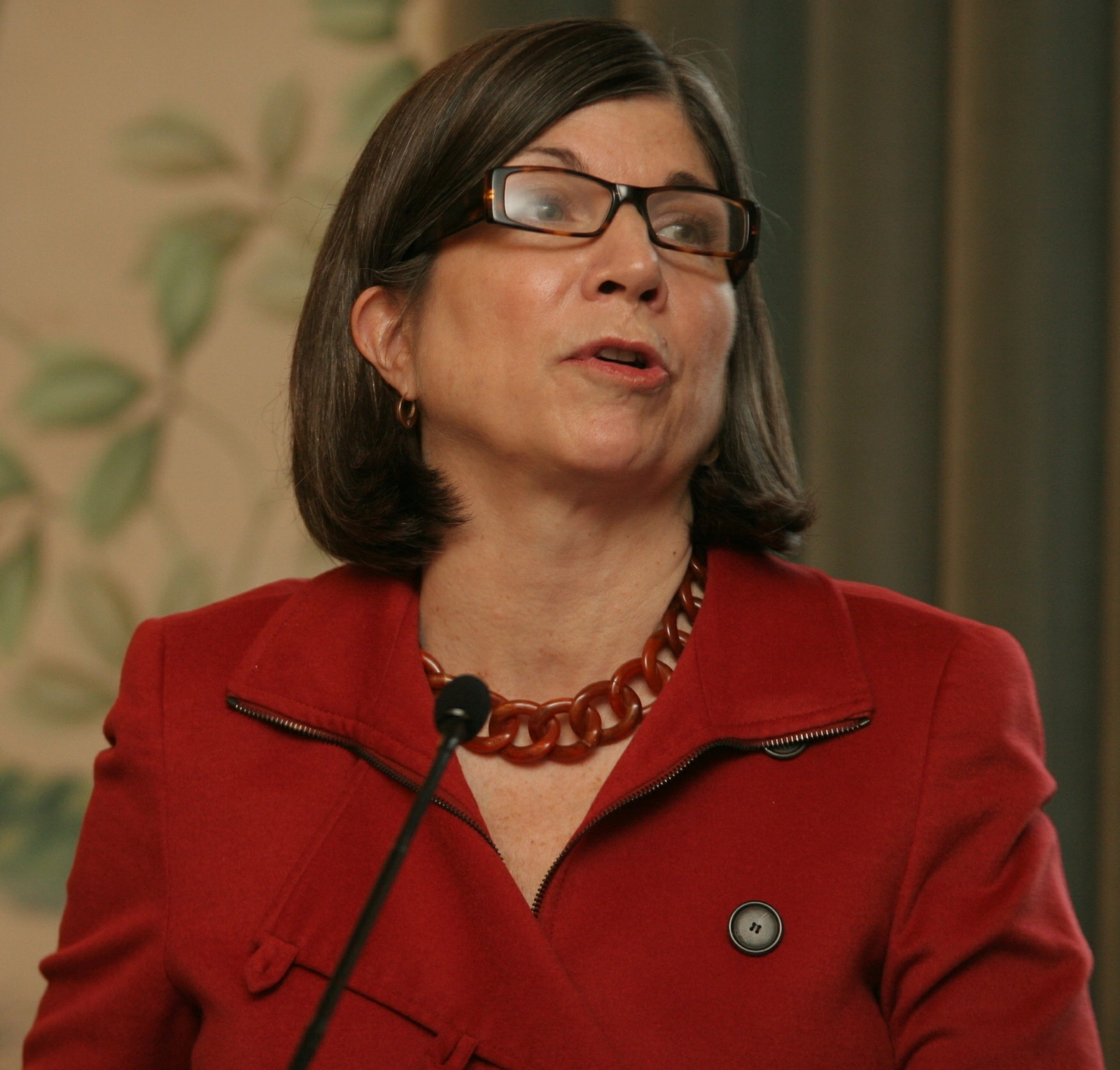
| 34 Quotes | |
| Born as | Anna Marie Quindlen |
| Occup. | Journalist |
| From | USA |
| Born | July 8, 1952 Philadelphia, Pennsylvania, U.S. |
| Age | 73 years |
| Cite | |
Citation Formats
APA Style (7th ed.)
Anna quindlen biography, facts and quotes. (2026, February 11). FixQuotes. https://fixquotes.com/authors/anna-quindlen/
Chicago Style
"Anna Quindlen biography, facts and quotes." FixQuotes. February 11, 2026. https://fixquotes.com/authors/anna-quindlen/.
MLA Style (9th ed.)
"Anna Quindlen biography, facts and quotes." FixQuotes, 11 Feb. 2026, https://fixquotes.com/authors/anna-quindlen/. Accessed 4 Mar. 2026.
Early Life and Background
Anna Marie Quindlen was born on July 8, 1952, in Philadelphia, Pennsylvania, into a Catholic, working-to-middle-class family shaped by the postwar Northeast - a world of tight neighborhoods, parish life, and the upward pull of education. Her father, an Irish American, worked in sales; her mother, of Italian heritage, was a homemaker who died when Quindlen was still young, a loss that later sharpened her sensitivity to the precariousness of ordinary happiness and the unseen labor of family life.Coming of age amid the social turbulence of the 1960s and early 1970s, she absorbed the era's widening arguments about gender, authority, and public morality while remaining attentive to the domestic sphere that high politics often ignores. That double vision - civic and intimate - became her signature: she could write about elections and court decisions, then pivot to the moral weather inside kitchens, classrooms, and hospital rooms, insisting that private life is where history is ultimately lived.
Education and Formative Influences
Quindlen attended Barnard College in New York City, graduating in 1974, a time when the women's movement and the aftershocks of Vietnam and Watergate were reshaping newsroom culture and the very idea of institutional trust. Barnard's intellectual rigor and Manhattan's proximity to national media helped fuse her instincts for narrative with a reporter's appetite for evidence, while also placing her in a generation of women entering professions that had long treated them as exceptions rather than peers.Career, Major Works, and Turning Points
She began at The New York Times in the mid-1970s, rising from reporter to columnist; her "Life in the 30s" column became a widely read blend of observation and argument, and in 1992 she received the Pulitzer Prize for Commentary for columns that brought moral clarity to everyday subjects without forfeiting complexity. She later stepped away from daily newspaper life, writing for Newsweek and building a parallel career as a novelist and essayist: works such as One True Thing (1994), Black and Blue (1998), and Blessings (2002) translated her journalistic eye into fiction about family obligation, marriage, illness, and reinvention; her nonfiction - including collections of columns and books on motherhood and American life - reinforced her status as a public voice fluent in both policy and feeling.Philosophy, Style, and Themes
Quindlen writes like a reporter who never surrendered to cynicism: direct, scene-based, and rooted in the credible detail that turns opinion into witness. Her central moral claim is that character is revealed in the supposedly small decisions - how a family treats its vulnerable members, how a community defines belonging, how a nation handles disagreement. She had an especially sharp radar for the gap between official progress and lived reality, returning to the ways institutions can change faster than attitudes, and how reforms can stall inside the heart even after they pass into law.Psychologically, her work circles the pressure to perform - to be the good mother, the exemplary citizen, the flawless professional - and the quiet liberation of refusing those scripts. “The thing that is really hard, and really amazing, is giving up on being perfect and beginning the work of becoming yourself”. That line is not self-help sentiment in her hands; it is an ethic of adulthood, tied to a broader belief that most lives are shaped less by epiphanies than endurance. “Life is not so much about beginnings and endings as it is about going on and on and on. It is about muddling through the middle”. Even her political arguments tend to pivot on interior courage: the willingness to see what is in front of you, to speak plainly, and to tolerate the discomfort of open debate. “Ignorant free speech often works against the speaker. That is one of several reasons why it must be given rein instead of suppressed”. Across columns and novels alike, she treats empathy as a form of intelligence and insists that the ordinary, described honestly, can be a vehicle for public truth.
Legacy and Influence
Quindlen helped define a late-20th-century American mode of commentary in which the personal is not a detour from politics but its proving ground, influencing a generation of columnists and essayists who mix reported reality with moral argument and narrative tact. Her Pulitzer-era work remains a model for persuasive writing that resists both cruelty and sentimentality, while her fiction extended her reach to readers who recognize themselves in her portraits of caretaking, marriage, and moral compromise. In an era of accelerated outrage and fragmented attention, her enduring contribution is the insistence that public life is accountable to private values - and that the most consequential revolutions are the ones that finally reach "many minds" as well as the laws.Our collection contains 34 quotes written by Anna, under the main topics: Witty One-Liners - Wisdom - Freedom - Learning - Life.
Anna Quindlen Famous Works
- 2018 Alternate Side (Novel)
- 2016 Miller's Valley (Novel)
- 2014 Still Life with Bread Crumbs (Novel)
- 2010 Every Last One (Novel)
- 2006 Rise and Shine (Novel)
- 2002 Blessings (Novel)
- 1998 Black and Blue (Novel)
- 1994 One True Thing (Novel)
- 1991 Object Lessons (Novel)
Source / external links