
Annie Dillard Biography Quotes 24 Report mistakes
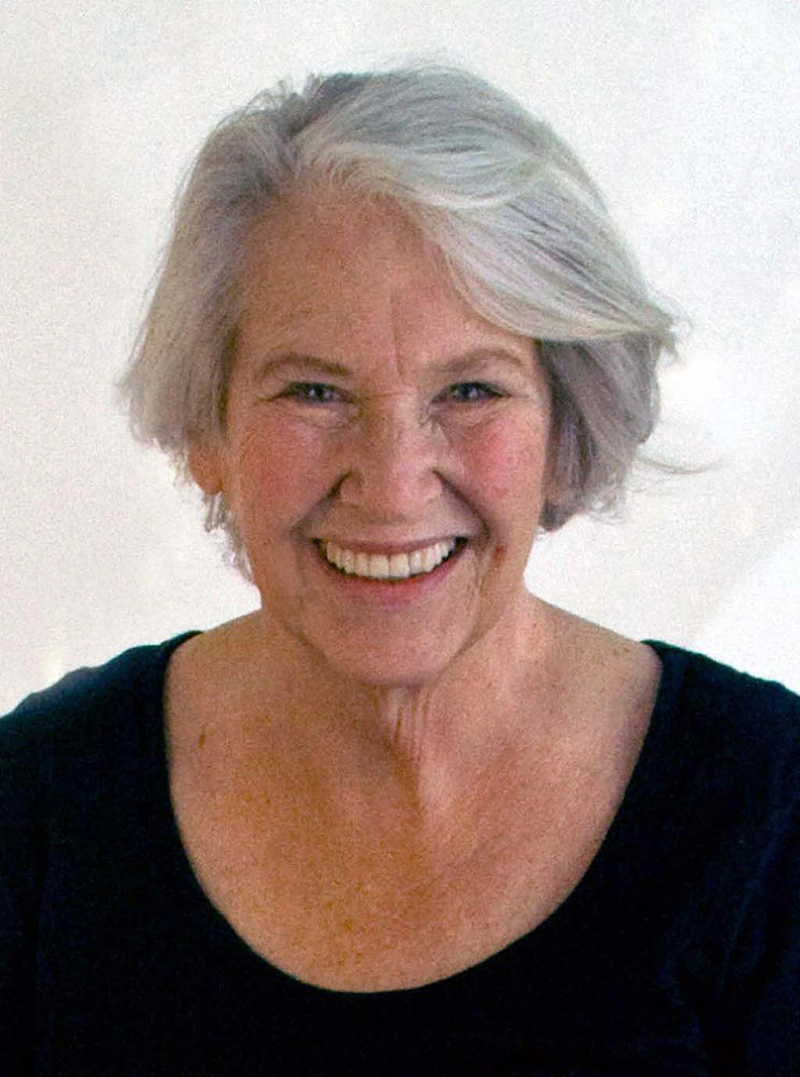
| 24 Quotes | |
| Occup. | Author |
| From | USA |
| Born | April 30, 1945 Pittsburgh, Pennsylvania, United States |
| Age | 80 years |
| Cite | |
Citation Formats
APA Style (7th ed.)
Annie dillard biography, facts and quotes. (2026, February 11). FixQuotes. https://fixquotes.com/authors/annie-dillard/
Chicago Style
"Annie Dillard biography, facts and quotes." FixQuotes. February 11, 2026. https://fixquotes.com/authors/annie-dillard/.
MLA Style (9th ed.)
"Annie Dillard biography, facts and quotes." FixQuotes, 11 Feb. 2026, https://fixquotes.com/authors/annie-dillard/. Accessed 25 Mar. 2026.
Early Life and Background
Annie Doak Dillard was born on April 30, 1945, in Pittsburgh, Pennsylvania, into a postwar America newly confident in its suburbs, its science, and its prosperity. She grew up in the East End of the city in a household that prized reading, wit, and self-reliance. Her father, Frank Dillard, worked in management; her mother, Pam Lambert Dillard, kept the family orbiting around books, conversation, and the expectation that children should make their own way. Pittsburgh, still defined by steel and soot, also offered parks, creeks, and the Allegheny watershed - early laboratories for a mind that would later make the minute luminous.In her memoir of childhood, she remembered being drawn to mischief and intensity rather than dutifulness - an early sign of the disciplined wildness that became her signature. The young Dillard read voraciously and watched adults with a comic, unsparing eye, already practicing the double vision of a future essayist: the ability to be inside experience and, simultaneously, to stand apart and shape it.
Education and Formative Influences
Dillard entered Hollins College (now Hollins University) in Roanoke, Virginia, where she absorbed the era's crosscurrents: modernist technique, the New Criticism's attention to language, and a widening appetite for nature writing and theology that could live alongside doubt. She studied writing with poet John Logan and encountered thinkers who would remain her intellectual companions - Henry David Thoreau for attentiveness, Gerard Manley Hopkins for sacramental perception, and the wide tradition of Christian mysticism and apophatic theology for its fierce honesty about what cannot be said. Graduate study at Hollins deepened her sense that art was not self-expression but a form of attention with moral consequences.Career, Major Works, and Turning Points
Dillard's public breakthrough came with Pilgrim at Tinker Creek (1974), a yearlong notebook transmuted into a book that won the 1975 Pulitzer Prize for General Nonfiction. Written from the Blue Ridge landscape near Roanoke, it fused field observation with metaphysical inquiry, making her a defining voice in late-20th-century American nonfiction. She followed with Holy the Firm (1977), a concentrated meditation on beauty, suffering, and belief shaped by an airplane crash that injured a child; and later, the restless, genre-bending Teaching a Stone to Talk (1982) and the expansive The Writing Life (1989). Her 1984 marriage to fellow writer Gary Clevidence and her long residence in the Pacific Northwest, including years in Bellingham, Washington, shifted her daily weather and light, but not her obsession: to render the actual world with enough precision that it presses back like a revelation.Philosophy, Style, and Themes
Dillard wrote as if perception were a spiritual practice - a discipline of looking that refuses to soothe. Nature, for her, is not pastoral decoration but a theater of appetite, waste, pattern, and astonishment; the creek is as much a text as Scripture, and both can terrify. Her sentences, often braided with aphorism and parable, stage a contest between ecstasy and disgust: the praying mantis and the mayfly, the crystalline order of geology and the casual brutality of predation. The result is a voice that can sound celebratory and severe in the same breath, because she treats wonder as a form of realism rather than escape.Her inner life, disclosed obliquely through argument and image, is driven by a craftsman's severity and a pilgrim's unease. She insists that art is made against resistance, that inspiration is not a permanent condition but a brief weather system: “Every book has an intrinsic impossibility, which its writer discovers as soon as his first excitement dwindles”. That admission is less complaint than psychological self-portrait - she mistrusts ease, expecting the real work to begin when charm fades. Likewise, her spiritual imagination resists triumphant answers; she favors questions that wound complacency, like the stark missionary parable: "Eskimo: "If I did not know about God and sin, would I go to hell?" Priest: "No, not if you did not know". Eskimo: "Then why did you tell me?"" . In Dillard's hands, the story becomes an X-ray of belief and power - a reminder that knowledge, once given, can become burden, and that faith must live with the ethical cost of its proclamations.
Legacy and Influence
Dillard endures as a major architect of contemporary American literary nonfiction, expanding what the nature essay could contain: not just description, but metaphysics, comedy, terror, and a high-wire lyric intelligence. Her books trained generations of writers to treat attention as both method and subject, and to risk grandeur without abandoning the hard facts of biology and time. In classrooms and reading lives, she remains a touchstone for anyone trying to write sentences equal to the world's strangeness - and for readers who sense, as she did, that looking closely is never neutral, but a way of choosing how to live.Our collection contains 24 quotes written by Annie, under the main topics: Motivational - Ethics & Morality - Art - Nature - Writing.
Annie Dillard Famous Works
- 2007 The Maytrees (Novel)
- 1999 For the Time Being (Non-fiction)
- 1989 The Writing Life (Non-fiction)
- 1987 An American Childhood (Memoir)
- 1982 Teaching a Stone to Talk (Collection)
- 1977 Holy the Firm (Essay)
- 1974 Pilgrim at Tinker Creek (Non-fiction)