
Arthur Blank Biography Quotes 6 Report mistakes
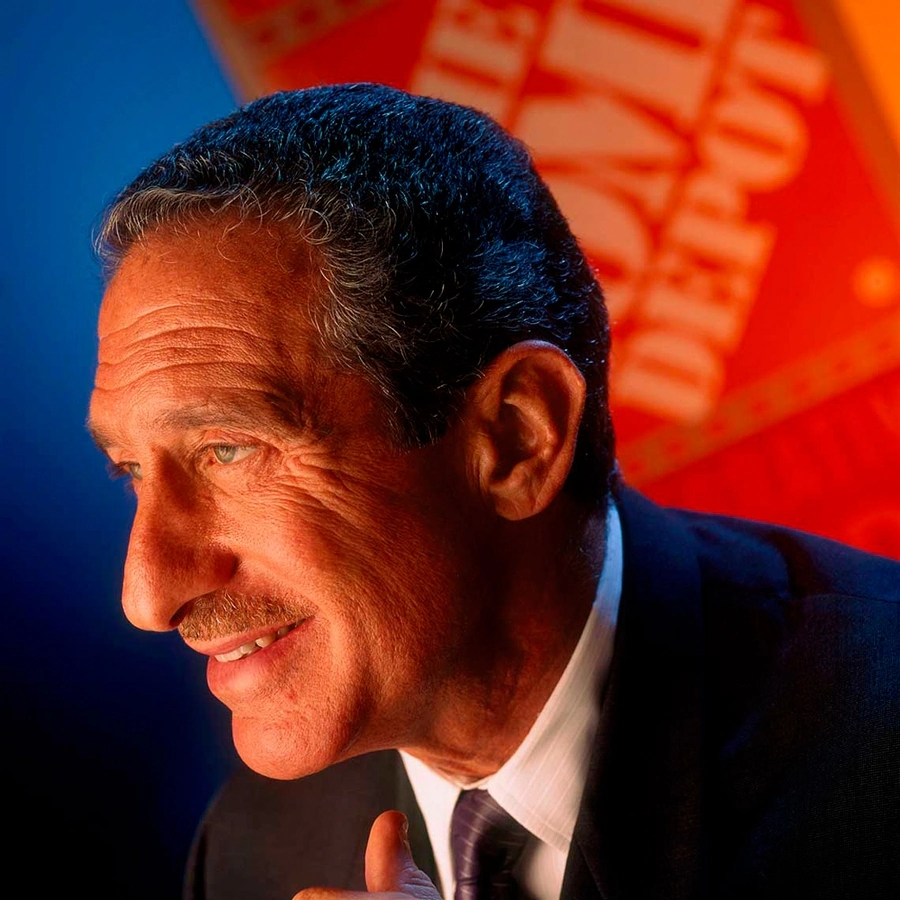
| 6 Quotes | |
| Born as | Arthur M. Blank |
| Occup. | Businessman |
| From | USA |
| Born | September 27, 1942 Sunnyside, New York, U.S. |
| Age | 83 years |
| Cite | |
Citation Formats
APA Style (7th ed.)
Arthur blank biography, facts and quotes. (2026, February 21). FixQuotes. https://fixquotes.com/authors/arthur-blank/
Chicago Style
"Arthur Blank biography, facts and quotes." FixQuotes. February 21, 2026. https://fixquotes.com/authors/arthur-blank/.
MLA Style (9th ed.)
"Arthur Blank biography, facts and quotes." FixQuotes, 21 Feb. 2026, https://fixquotes.com/authors/arthur-blank/. Accessed 6 Mar. 2026.
Early Life and Background
Arthur M. Blank was born on September 27, 1942, in the United States and came of age in the long postwar boom that made corporate management, mass retail, and suburban construction defining forces in American life. He grew up in a period when home ownership symbolized stability and status, and when the hardware store and the building-supply yard were quietly becoming the infrastructure of the middle-class dream. Those background currents would later make his signature enterprise feel less like an invention than an acceleration of a national habit.Blank's early life also placed him within the generational turn from family-run commerce to professionally managed corporations. The America of his youth rewarded operational discipline, salesmanship, and the ability to scale systems across regions. That sensibility - practical, process-minded, and oriented toward measurable results - became a personal baseline. It also shaped the way he later spoke about people: not as abstractions, but as "associates" whose training and morale were themselves strategic assets.
Education and Formative Influences
Blank attended Babson College, a school known for entrepreneurship and management, and graduated in the mid-1960s as American business was absorbing new ideas about logistics, marketing, and organizational behavior. The era's corporate culture prized data and standardization, yet also began to acknowledge motivation and workplace identity as drivers of performance. Those two poles - systems and human energy - appear throughout Blank's later leadership: he built scale without abandoning the idea that frontline competence and culture decide whether scale actually works.Career, Major Works, and Turning Points
After early experience in retailing, Blank rose within the home-improvement sector and became a central figure in the founding and growth of The Home Depot (co-founded in 1978 with Bernie Marcus, with early strategic and financial support from Kenneth Langone and others), helping turn the warehouse-format model into a national institution. The company's expansion in the 1980s and 1990s tracked broader shifts: suburban sprawl, do-it-yourself culture, and the professionalization of home renovation. A major turning point came in 2001, when Blank stepped down as co-chairman; in 2002 he purchased the NFL's Atlanta Falcons, and later became a principal backer of Major League Soccer in Atlanta, ultimately launching Atlanta United FC. In the 2010s, he drove the creation of Mercedes-Benz Stadium and deepened philanthropic work through the Arthur M. Blank Family Foundation, linking sports, civic development, and charitable giving into a single public-facing platform.Philosophy, Style, and Themes
Blank's public philosophy is rooted in an operator's sense of runway - the belief that markets are rarely "finished" if the organization can keep improving execution. He framed Home Depot not as a mature monopoly but as a business with expansive headroom: “We're the largest home improvement company today, and we did $30 billion last year, or less than 10 percent of the total amount of building materials sold in the U.S. So when people ask, how much runway left does Home Depot have, it's an awful lot”. Psychologically, that sentence reveals a temperament that resists complacency: even at the top, he looks for the larger denominator, the remaining share, the next process refinement.His leadership style also shows an insistence that passion must be disciplined into behavior. “Passion and standing up for things can help create a sense of unity. But you still have to act a certain way”. That is less a motivational slogan than a theory of group psychology: emotion can bind people, but culture is enforced in the mundane - how colleagues are treated, how conflict is handled, how power is exercised. The same moral-operational blend appears in his corporate language about frontline expertise and mutual respect: “We will ensure that associates continue to possess unsurpassed product knowledge and maintain their dedication to customer service and respect for their colleagues and for the communities in which they work and live”. In Blank's inner logic, knowledge, service, and civility are not separate virtues; they are a single flywheel that protects brand trust and reduces the friction that kills large organizations from within.
Legacy and Influence
Blank's enduring influence lies in how he helped define two modern American templates: the big-box, service-intensive home-improvement retailer and the owner-philanthropist model in major-league sports rooted in civic identity. Home Depot altered consumer expectations about price, selection, and professional-grade advice at scale, and its "associate" culture became a case study - praised and contested - in whether a giant retailer can feel local and expert. In Atlanta, his investments in teams, facilities, and community initiatives tied private capital to public aspiration, making him a prominent figure in the city's late-20th and early-21st century story: growth, branding, and the ongoing negotiation between commerce, community, and the meaning of stewardship.Our collection contains 6 quotes written by Arthur, under the main topics: Leadership - Sports - Customer Service - Vision & Strategy - Management.
Other people related to Arthur: Michael Vick (Athlete)
Arthur Blank Famous Works
- 1999 Built from Scratch: How a Couple of Regular Guys Grew The Home Depot from Nothing to $30 Billion (Memoir)
Source / external links