
Arthur W. Pinero Biography Quotes 3 Report mistakes
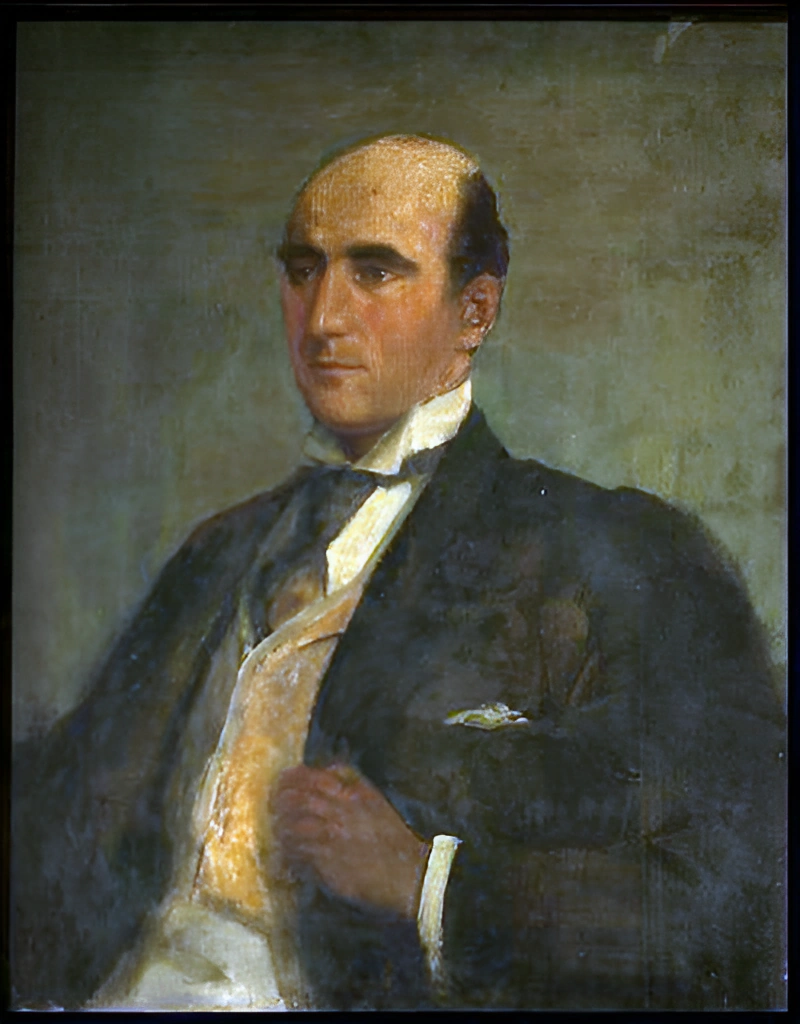
Attr: free-images.com
| 3 Quotes | |
| Born as | Arthur Wing Pinero |
| Known as | Sir Arthur Wing Pinero |
| Occup. | Playwright |
| From | England |
| Born | May 24, 1855 London, England |
| Died | November 23, 1934 London, England |
| Aged | 79 years |
| Cite | |
Citation Formats
APA Style (7th ed.)
Arthur w. pinero biography, facts and quotes. (2026, February 11). FixQuotes. https://fixquotes.com/authors/arthur-w-pinero/
Chicago Style
"Arthur W. Pinero biography, facts and quotes." FixQuotes. February 11, 2026. https://fixquotes.com/authors/arthur-w-pinero/.
MLA Style (9th ed.)
"Arthur W. Pinero biography, facts and quotes." FixQuotes, 11 Feb. 2026, https://fixquotes.com/authors/arthur-w-pinero/. Accessed 1 Apr. 2026.
Early Life and Background
Arthur Wing Pinero was born on May 24, 1855, in London, into a family shaped by migration and the disciplined middle-class culture of Victorian England. His father, John Daniel Pinero, was of Sephardic Jewish descent from Portugal and worked in the City as a solicitor; his mother, Lucy Daines, brought an English steadiness to a household that valued respectability, accuracy, and advancement. Pinero grew up in a metropolis where theater was both a mass entertainment and a moral battleground, policed by taste, class anxiety, and the Lord Chamberlain's censorship.That tension between outward decorum and private appetite became the psychological engine of his drama. As a boy he watched London reorganize itself around new money, new suburbs, and new claims to gentility, while the stage moved from broad farce toward sharper social observation. The future playwright absorbed the city's voices - clerks, actresses, lawyers, and speculators - and learned early how reputation could be built, bought, or ruined in a single season.
Education and Formative Influences
Pinero was educated in London and initially trained for a conventional profession, but the theater pulled harder than the office. In 1874 he joined R. H. Wyndham's company as an actor, beginning an apprenticeship that taught him stagecraft from the inside: timing, entrances, the physics of laughter, and the silent negotiations between stars, managers, and audiences. Touring and repertory work acquainted him with French comedies, English melodrama, and the new realism filtering into British playhouses; it also revealed how the smallest technical choices could shape a character's moral meaning.Career, Major Works, and Turning Points
By the early 1880s Pinero shifted from acting to writing, breaking through with deft farces and comedies such as The Magistrate (1885), Dandy Dick (1887), and The Schoolmistress (1886), works that modernized English stage humor with clockwork plotting and an ear for contemporary speech. His decisive turn came in the 1890s, when he pushed beyond farce into the "problem play" and high society drama: The Profligate (1889) tested Victorian forgiveness, while The Second Mrs Tanqueray (1893) made scandal and female sexual history tragically central, helping to create the serious modern English play on commercial stages. Later works such as The Notorious Mrs Ebbsmith (1895), The Gay Lord Quex (1899), Iris (1901), and Mid-Channel (1909) extended his scrutiny of marriage markets, desire, and money, even as the post-1900 theater scene grew more competitive under the pressure of Ibsenite realism, new repertory ideals, and changing audiences. Knighted in 1909, he remained a public emblem of the late-Victorian and Edwardian stage, though his prestige gradually outpaced his box office.Philosophy, Style, and Themes
Pinero's distinctive achievement was to treat manners not as decoration but as a moral technology: the rules of calling cards, dinners, and country-house weekends became instruments that disciplined - and sometimes destroyed - the people living inside them. His craftsmanship was practical and actor-aware, built from clean scene construction and reversals that feel inevitable once they arrive. Yet beneath the polish lay a melancholic attention to time and recurrence, a sense that society changes its costumes more readily than its appetites. That mood aligns with his line, “I believe the future is only the past again, entered through another gate”. In play after play, characters attempt reinvention - the "fallen" woman seeking acceptance, the libertine seeking reform, the respectable husband hiding compromise - only to discover that history follows them, renamed but not erased.He was also, in his best work, a diagnostician of the cash nexus: how debt, inheritance, and speculation rewrite intimate life. Pinero's satire can be brisk and unsentimental, as in the hard clarity of, “A financier is a pawnbroker with imagination”. Money in his theater is rarely just money; it is leverage, permission, and a substitute for love that the characters half-believe will redeem them. And against that pressure he often placed small domestic rituals as emotional shelter - the cup of tea as a pause where people can still be kind, or pretend to be. “Where there's tea there's hope”. Read psychologically, that sentiment is not mere coziness; it is Pinero admitting how fragile hope is in the rooms he builds, and how much his characters rely on ceremony to keep despair at bay.
Legacy and Influence
Pinero helped professionalize English playwriting between the age of broad Victorian entertainment and the era of modern psychological drama. He made the West End hospitable to serious social themes without abandoning theatrical pleasure, and he expanded the range of female roles at a time when the stage was one of the few public arenas where women's experience could be argued aloud. Later dramatists often moved past his social world, but they inherited his insistence that technique can carry moral weight and that comedy and critique can share the same drawing room. He died on November 23, 1934, in England, leaving a body of work that still maps how reputations are manufactured, how desire negotiates with law and class, and how a society trains its members to smile while their lives are being decided.Our collection contains 3 quotes written by Arthur, under the main topics: Witty One-Liners - Hope - Time.
Arthur W. Pinero Famous Works
- 1899 The Gay Lord Quex (Play)
- 1895 The Notorious Mrs. Ebbsmith (Play)
- 1893 The Second Mrs Tanqueray (Play)
- 1888 Sweet Lavender (Play)
- 1887 Dandy Dick (Play)
- 1886 The Schoolmistress (Play)
- 1885 The Magistrate (Play)