
Astrid Lindgren Biography Quotes 3 Report mistakes
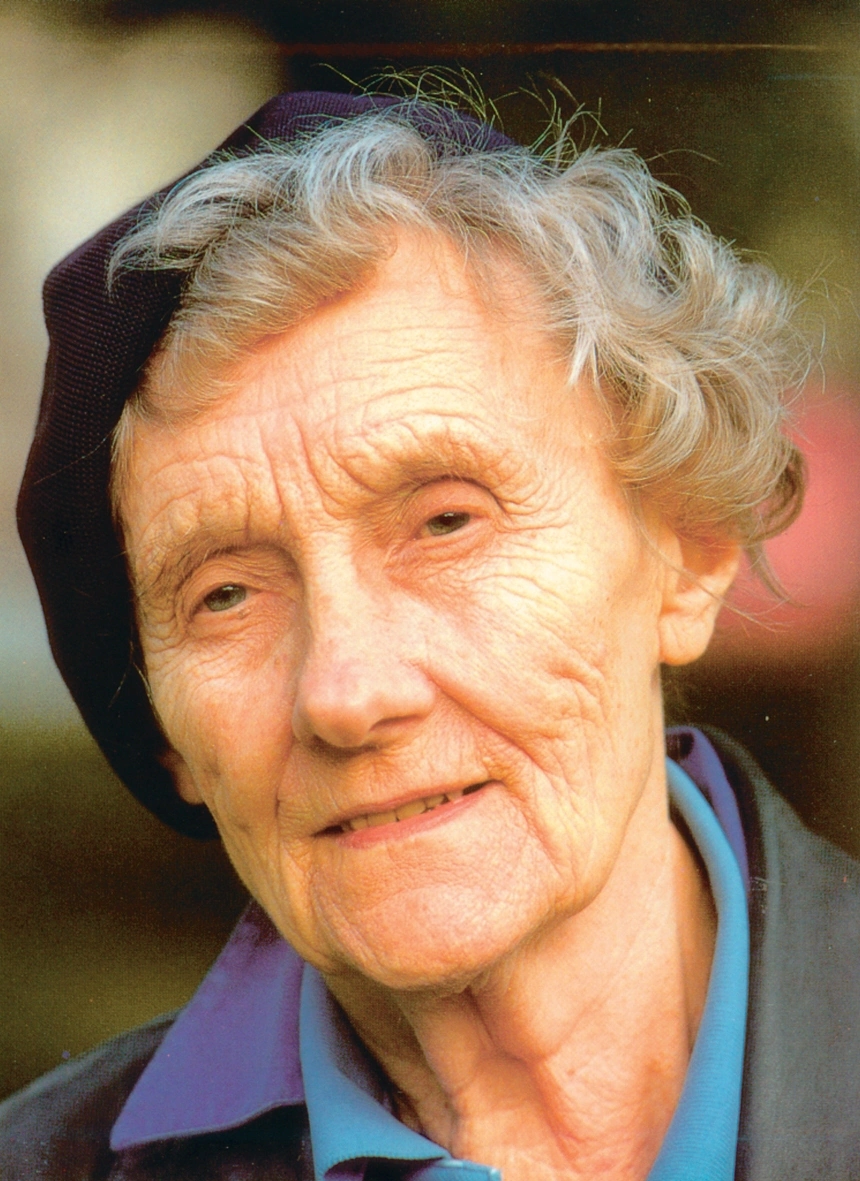
| 3 Quotes | |
| Occup. | Author |
| From | Sweden |
| Born | November 14, 1907 |
| Died | January 28, 2002 |
| Aged | 94 years |
| Cite | |
Citation Formats
APA Style (7th ed.)
Astrid lindgren biography, facts and quotes. (2026, February 11). FixQuotes. https://fixquotes.com/authors/astrid-lindgren/
Chicago Style
"Astrid Lindgren biography, facts and quotes." FixQuotes. February 11, 2026. https://fixquotes.com/authors/astrid-lindgren/.
MLA Style (9th ed.)
"Astrid Lindgren biography, facts and quotes." FixQuotes, 11 Feb. 2026, https://fixquotes.com/authors/astrid-lindgren/. Accessed 26 Mar. 2026.
Early Life and Background
Astrid Anna Emilia Lindgren was born on November 14, 1907, in Nas, near Vimmerby in Smaland, a rural corner of southern Sweden marked by small farms, church calendars, and the long memories of folk tale and hardship. She grew up at Norra Kvill farm in a close-knit household with her parents, Samuel August Ericsson and Hanna Jonsson, and siblings who later reappeared, transformed, in her books as independent children roaming woods, meadows, and village lanes. Sweden in her childhood was modernizing but still agrarian; class lines were visible, and the old moral codes around respectability carried real weight, especially for young women.That tension - between the freedom of childhood and the constriction of adult judgment - became personal early. As a teenager she cut her hair short, wrote for the local paper, and attracted attention that could turn punitive in a small town. At 18 she became pregnant by her older editor in Vimmerby; to avoid scandal she left for Stockholm, gave birth to her son Lasse in Copenhagen in 1926, and, for a time, had to place him with a foster mother while she built the means to support him. The experience sharpened her lifelong empathy for children who live with adult decisions and adult silence.
Education and Formative Influences
Lindgren was educated locally and was an avid reader, but her deepest formation came from work and observation rather than university study: she learned shorthand, trained as a secretary, and absorbed the rhythms of offices, newspapers, and political talk in interwar Sweden. The era's debates over welfare, workers' rights, and the social-democratic future ran alongside the older Smaland ethos of thrift and self-reliance, giving her a dual compass - tenderness for the vulnerable and suspicion of pompous authority - that later made her children both wildly free and morally alert.Career, Major Works, and Turning Points
In 1931 she married Sture Lindgren and soon welcomed their daughter Karin; her breakthrough began when Karin, ill in bed, asked for stories about "Pippi Longstocking". Lindgren wrote Pippi Langstrump in the early 1940s; after an initial rejection it was published in 1945 and immediately split Sweden between those who saw anarchy and those who saw liberation. She worked for decades at the publishing house Rabens and Sjogren, shaping not only her own books but Swedish children's literature more broadly. Major works followed in rapid succession: the Bill Bergson (Kalle Blomkvist) mysteries, The Six Bullerby Children, Karlsson-on-the-Roof, Ronia, the Robber's Daughter, and The Brothers Lionheart, which dared to speak to children about death and courage without condescension. A later turning point came when she used her fame as a civic platform: her 1976 tax-satire "Pomperipossa" helped spark debate on Sweden's tax policy, and her public advocacy for children's rights and animal welfare made her, late in life, a national conscience as much as a storyteller.Philosophy, Style, and Themes
Her style is deceptively plain - crystalline Swedish sentences, quick dialogue, and scenes built from physical sensations (mud, pancakes, haylofts, icy lakes) that make freedom feel like a place you can step into. Yet underneath is a moral architecture: the child is not a future adult but a complete person, and the adult world is judged by how it treats the small, the poor, and the odd. Pippi's laughter, Emil's mischief, and Ronja's defiance are not celebrations of chaos for its own sake; they are experiments in dignity, asking what happens when a child refuses the roles that fear assigns.Lindgren's inner life combined unsentimental practicality with fierce attachment, and she often spoke in a tone that was both wry and revealing. “I don't mind dying, I'll gladly do that, but not right now, I need to clean the house first”. The humor is domestic, but the psychology is serious - mortality acknowledged, anxiety managed through order, and a refusal to romanticize suffering. Love, in her view, was less a consuming drama than a steady, generational force: “I have never experienced being madly in love the way most people seem to have been, although it is not something I would miss. Instead I have had an enormous ability to love my children and my grandchildren and my great grandchildren”. That orientation helps explain why her books grant children astonishing autonomy while insisting, quietly, on loyalty and care: she trusted attachment more than passion, and built worlds where a child can be brave because someone, somewhere, truly holds them in mind.
Legacy and Influence
Lindgren died on January 28, 2002, in Stockholm, but her work remains a central export of Swedish imagination - translated worldwide, adapted for film and television, and absorbed into the grammar of childhood itself. She expanded what children's literature could dare to say, from the right to disobey unjust rules to the right to grieve, and she did it without preaching, by making courage funny and tenderness non-negotiable. In Sweden her influence persists institutionally through the Astrid Lindgren Memorial Award, and culturally through a continuing expectation that stories for the young should be artful, ethically awake, and on the child's side.Our collection contains 3 quotes written by Astrid, under the main topics: Witty One-Liners - Equality - Grandparents.
Astrid Lindgren Famous Works
- 1981 Ronia, the Robber's Daughter (Novel)
- 1973 The Brothers Lionheart (Novel)
- 1955 Karlsson on the Roof (Novel)
- 1954 Mio, My Son (Novel)
- 1945 Pippi Longstocking (Novel)
Source / external links