
August Wilson Biography Quotes 9 Report mistakes
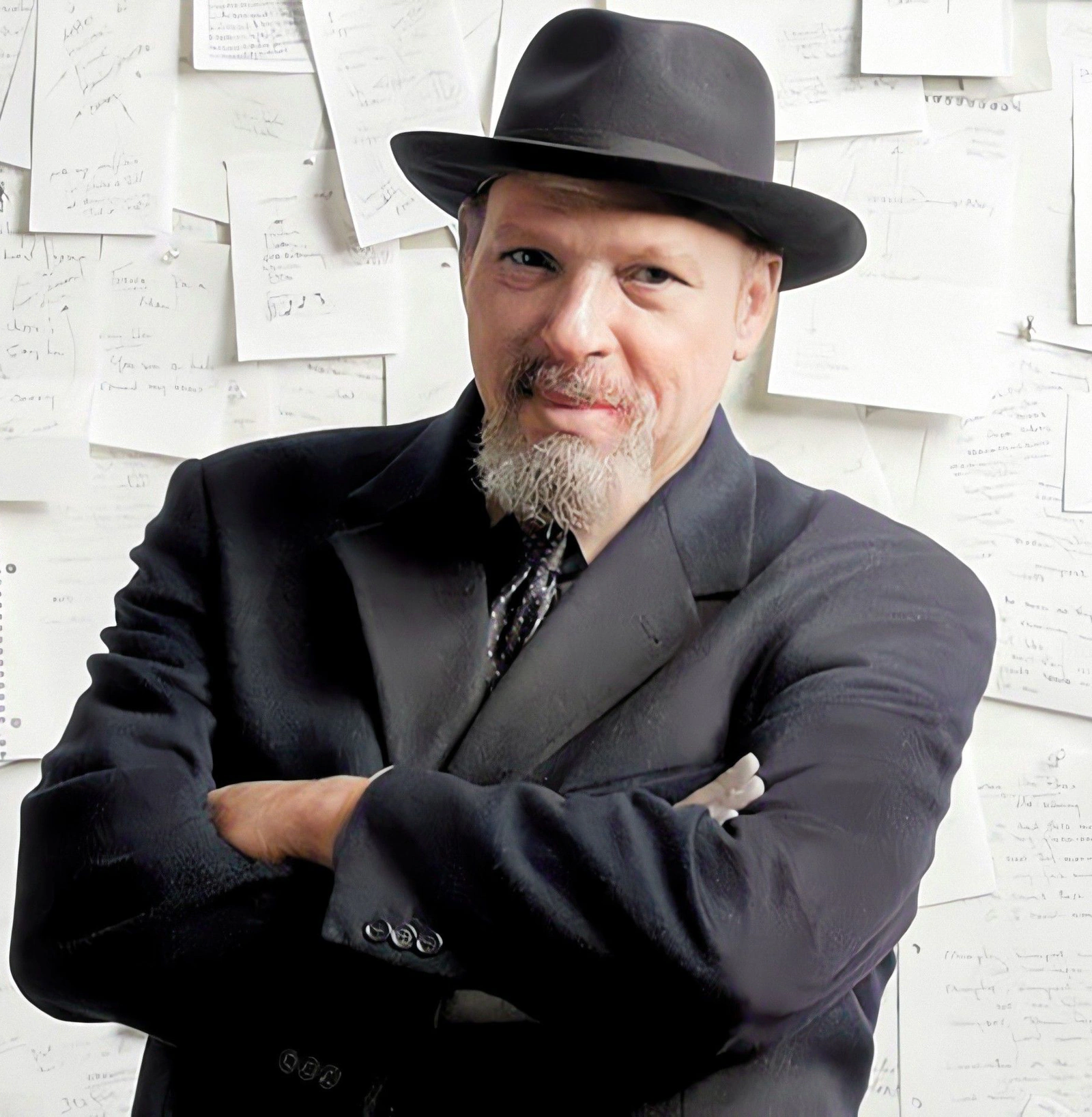
| 9 Quotes | |
| Occup. | Playwright |
| From | USA |
| Born | April 27, 1945 Pittsburgh, Pennsylvania, U.S. |
| Died | October 2, 2005 Seattle, Washington, U.S. |
| Aged | 60 years |
| Cite | |
Citation Formats
APA Style (7th ed.)
August wilson biography, facts and quotes. (2026, February 11). FixQuotes. https://fixquotes.com/authors/august-wilson/
Chicago Style
"August Wilson biography, facts and quotes." FixQuotes. February 11, 2026. https://fixquotes.com/authors/august-wilson/.
MLA Style (9th ed.)
"August Wilson biography, facts and quotes." FixQuotes, 11 Feb. 2026, https://fixquotes.com/authors/august-wilson/. Accessed 25 Mar. 2026.
Early Life and Background
August Wilson was born Frederick August Kittel on April 27, 1945, in Pittsburgh, Pennsylvania, and grew up in the Hill District, a historically Black neighborhood shaped by the Great Migration, steel-era labor, and the pressures of mid-century segregation. His mother, Daisy Wilson, a Black cleaning woman, anchored the household with strict expectations and an appetite for stories; his father, Frederick Kittel, a German immigrant baker, was largely absent. Wilson later took his mother's surname, a decision that clarified both belonging and allegiance in a city where race could determine the sidewalks you walked and the futures you were allowed to imagine.He came of age as urban renewal and disinvestment began to hollow out communities like the Hill, even as Black cultural life stayed rich in barbershops, boardinghouses, storefront churches, and kitchen tables. Those places trained his ear. The cadences, jokes, boasts, grievances, and improvised philosophy he absorbed in everyday talk became his enduring raw material, and the tension between personal dignity and a hostile social order would remain the emotional engine of his theater.
Education and Formative Influences
Wilson attended several Pittsburgh schools but left formal education in his teens after repeated encounters with racism, then pursued what he called his real schooling in libraries, reading voraciously - including the Black literary tradition and modern drama - while writing poetry. The civil rights era and Black Power movement sharpened his sense of history as a lived force, not an academic subject. In 1968 he helped found the Black Horizons Theater in Pittsburgh with Rob Penny, translating a poet's attention to sound into stage language and learning, practically, how community arts could become both refuge and argument.Career, Major Works, and Turning Points
After moving to St. Paul, Minnesota, in the late 1970s, Wilson found sustained theatrical opportunity, writing for the Playwrights Center and developing his craft before a national breakthrough with Ma Rainey's Black Bottom (first produced 1984) and Fences (1985), which earned the Pulitzer Prize for Drama. He then committed himself to what became the Century Cycle (also called the Pittsburgh Cycle) - ten plays, each set in a different decade of the 20th century, mapping Black life through work, migration, music, law, memory, and family: Joe Turner's Come and Gone, The Piano Lesson (Pulitzer, 1990), Two Trains Running, Seven Guitars, King Hedley II, Gem of the Ocean, Jitney, Radio Golf, and others. A crucial turning point came through his collaboration with director Lloyd Richards at Yale Repertory Theatre and later Broadway, where Wilson's dense vernacular poetry met rigorous dramaturgy and reached a wide audience without surrendering its rootedness. He died of liver cancer on October 2, 2005, in Seattle, Washington, after completing the cycle's final play.Philosophy, Style, and Themes
Wilson wrote as a historian of feeling: his characters argue, tease, and testify, turning ordinary speech into arias that carry the weight of survival. He began with a seed image or period and then let discovery lead him, admitting, “I know some things when I start... but that's it. I slowly discover who the characters are as I go along”. That method fits his theater's moral stance - people are not symbols to be arranged, but lives to be encountered, with contradictions intact. The plots often pivot on debts - to ancestors, to children, to the self - and on the cost of bargaining with a society that monetizes Black labor while discounting Black personhood.His dramaturgy also functions as cultural reclamation. Wilson resisted the idea that white institutions could act as arbiters of Black meaning, writing from inside the community's own interpretive authority: “Blacks have traditionally had to operate in a situation where whites have set themselves up as the custodians of the black experience”. Music is not decoration but structure - the blues as a way of naming hurt without being destroyed by it, and jazz as an ethic of improvisational endurance. As he put it, “My plays insist that we should not forget or toss away our history”. The supernatural in his work - ghosts, visions, ancestral reckonings - is less fantasy than a stage vocabulary for historical pressure, the past insisting on a hearing in the present.
Legacy and Influence
Wilson left an American dramatic literature that is both epic and intimate: a decade-by-decade chronicle of Black aspiration, enclosure, humor, and spiritual argument anchored in Pittsburgh yet resonant far beyond it. His influence is visible in contemporary playwrights' renewed confidence in vernacular speech, multi-generational storytelling, and culturally specific worlds that refuse translation as a prerequisite for universality. Productions of Fences, The Piano Lesson, Ma Rainey's Black Bottom, and the full Century Cycle continue to shape repertories and acting traditions, while his insistence on authorship, memory, and community self-definition remains a blueprint for theater as cultural sovereignty.Our collection contains 9 quotes written by August, under the main topics: Love - Writing - Poetry - Equality - Legacy & Remembrance.
Other people related to August: Viola Davis (Actress), Laurence Fishburne (Actor), Jack Kroll (Editor), Branford Marsalis (Musician), Phylicia Rashad (Actress)
August Wilson Famous Works
- 2005 Radio Golf (Play)
- 2003 Gem of the Ocean (Play)
- 1999 King Hedley II (Play)
- 1995 Seven Guitars (Play)
- 1990 Two Trains Running (Play)
- 1987 The Piano Lesson (Play)
- 1985 Fences (Play)
- 1984 Joe Turner's Come and Gone (Play)
- 1982 Ma Rainey's Black Bottom (Play)
- 1982 Jitney (Play)
Source / external links