
Barbara Ann Scott Biography Quotes 2 Report mistakes
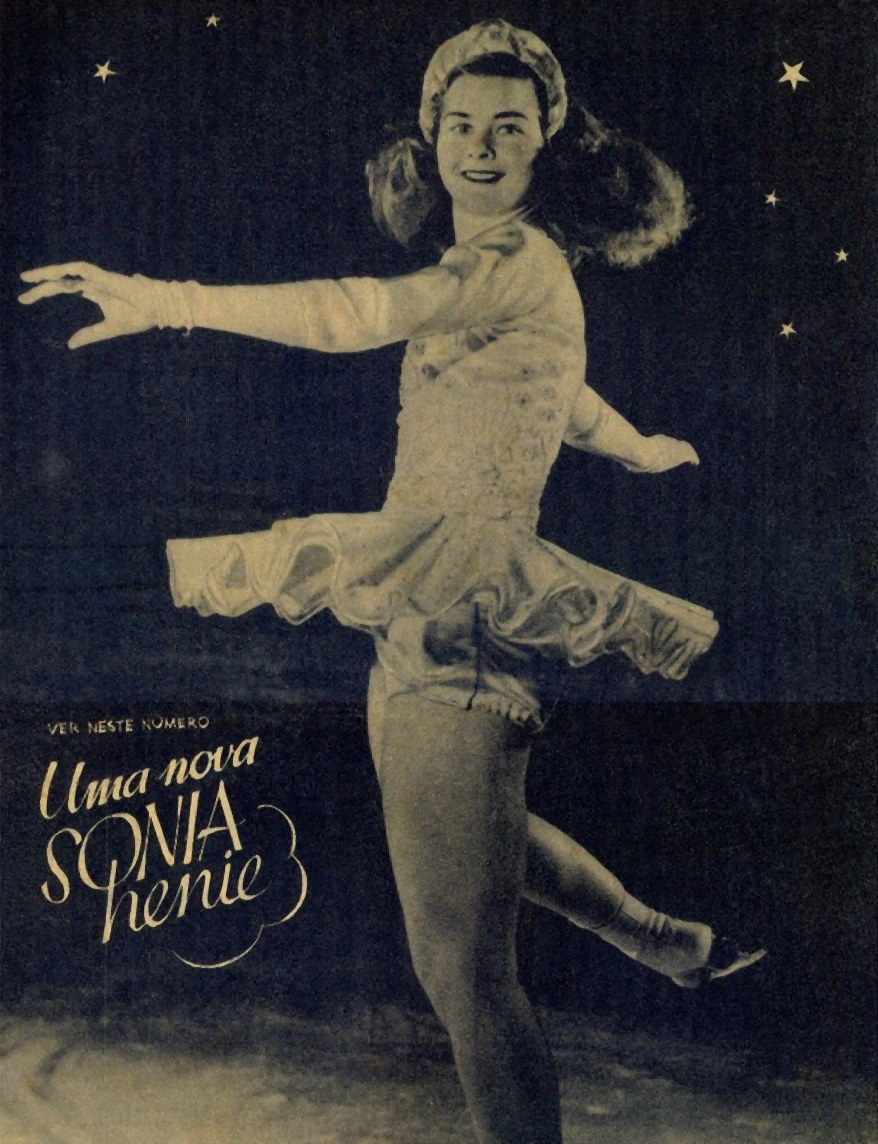
| 2 Quotes | |
| Born as | Barbara Ann Scott King |
| Occup. | Athlete |
| From | Canada |
| Born | May 9, 1928 Ottawa, Ontario, Canada |
| Age | 97 years |
| Cite | |
Citation Formats
APA Style (7th ed.)
Barbara ann scott biography, facts and quotes. (2026, February 11). FixQuotes. https://fixquotes.com/authors/barbara-ann-scott/
Chicago Style
"Barbara Ann Scott biography, facts and quotes." FixQuotes. February 11, 2026. https://fixquotes.com/authors/barbara-ann-scott/.
MLA Style (9th ed.)
"Barbara Ann Scott biography, facts and quotes." FixQuotes, 11 Feb. 2026, https://fixquotes.com/authors/barbara-ann-scott/. Accessed 26 Mar. 2026.
Early Life and Background
Barbara Ann Scott was born Barbara Ann Scott King on May 9, 1928, in Ottawa, Ontario, a city whose long winters and compact civic life made rink culture as familiar as schoolyards. Canada between the wars was still defining itself through sport and public ceremony, and skating sat at the intersection of recreation and national pride - visible, family-friendly, and staged in community arenas where talent could be noticed early. Scott grew up in a household that valued steadiness and good manners, traits that would later become part of her public image as much as her jumps and spins.Her childhood unfolded during the Great Depression and then the Second World War, years that tightened budgets and sharpened expectations: you practiced, you saved, you endured. Ottawa rinks offered a kind of democratic theater where a disciplined young skater could earn attention without the trappings of wealth, and Scott became known locally for an unusual combination of athletic fearlessness and poised presentation. Long before international fame, she learned how to perform calm under scrutiny - a psychological skill as essential as any edge or turn.
Education and Formative Influences
Scott attended school in Ottawa while training intensively, a balancing act common to elite amateur athletes of her era, when formal sports academies were rare and family logistics mattered. Her most important formative influence was her coach, Sheldon Galbraith, who emphasized precise figures and clean technique at a time when compulsory figures could determine championships. In that system, repetition was not merely drill but identity: the skater became what she could execute perfectly, day after day, under judges who rewarded control as much as flair.Career, Major Works, and Turning Points
Scott emerged as Canada champion while still a teenager and quickly became an international figure, winning the World Figure Skating Championships in 1947 and 1948. Her signature technical milestone was the double Lutz, which the press dubbed the "Barbara Ann Scott Lutz", a jump that signaled modern athletic ambition in women's skating without abandoning the era's demand for elegance. The defining turning point came at the 1948 Winter Olympics in St. Moritz, where she won the gold medal, becoming a symbol of postwar optimism for Canadians watching a battered world try to look forward again. Public celebration was immediate - including a famous parade in Ottawa - and with it came the paradox of amateur stardom: she was expected to remain modest and noncommercial even as her fame became a national asset. Soon after her Olympic triumph she turned professional, touring in ice shows and shifting from judge-centered competition to audience-centered performance, a transition that required not new nerves but a new relationship to applause.Philosophy, Style, and Themes
Scott's skating philosophy was built on deferred gratification and procedural mastery, a mindset shaped by compulsory figures and by a wartime generation taught to postpone desire. “The most important thing about skating is that it teaches you to do the things you should do before you do the things you want to do”. The line reads like autobiography: her greatness depended less on a single daring jump than on the private habit of doing unglamorous work first, then earning the right to risk brilliance. Psychologically, it suggests a personality anchored by order - someone who found freedom not in rebellion but in sequence.Her style fused athletic progression with a classical insistence on line and finish, and she spoke of technique in musical terms: “Those edges and turns teach control and discipline, just like finger exercises on the piano”. That analogy captures the theme running through her career - control as artistry's precondition. In Scott's era, the ideal champion looked effortless, and the effort was therefore pushed inward, into repetition that made difficulty appear natural. Even her celebrated jump was framed as refinement rather than aggression: a modern element delivered with restraint, suggesting an inner life that guarded composure and treated self-command as the highest form of expression.
Legacy and Influence
Scott's enduring influence rests on how she helped define a Canadian template for figure-skating excellence: technically credible, aesthetically polished, publicly gracious. Her 1948 Olympic win established a benchmark for Canadian women on the global stage and contributed to the sport's postwar popularity at home, where rinks became sites of aspiration as well as play. In the longer history of skating, she stands at a hinge moment between figure-dominated championships and the later jump-driven sport, showing that athletic innovation could coexist with immaculate basics. Her story remains instructive because it ties fame to discipline, and national symbolism to private routine - the quiet labor beneath a seemingly effortless glide.Our collection contains 2 quotes written by Barbara, under the main topics: Training & Practice - Self-Discipline.
Source / external links