
Barbara Castle Biography Quotes 20 Report mistakes
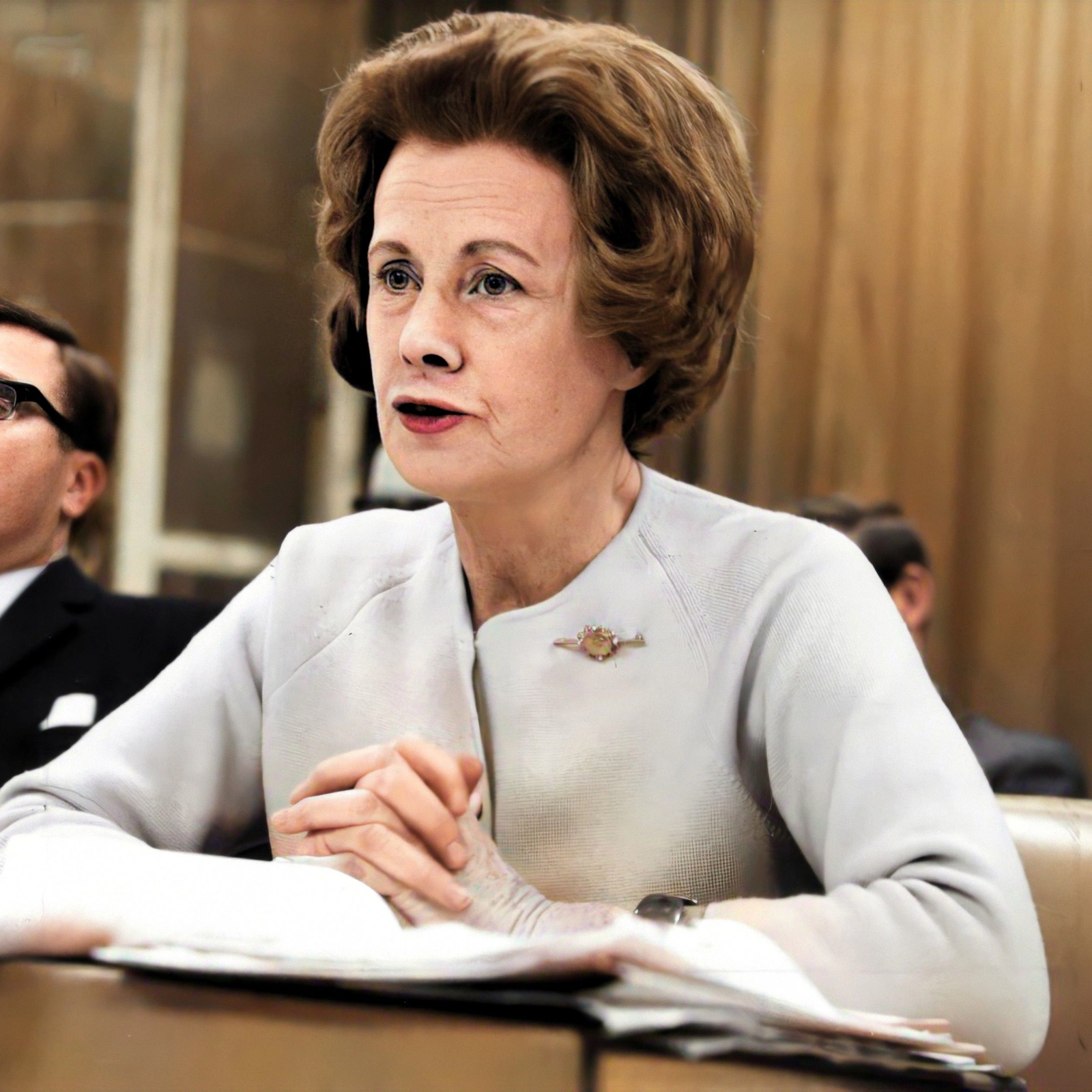
| 20 Quotes | |
| Born as | Barbara Anne Betts |
| Occup. | Politician |
| From | United Kingdom |
| Spouse | Ted Castle |
| Born | October 6, 1910 Chesterfield, Derbyshire, United Kingdom |
| Died | May 3, 2002 East Sussex, United Kingdom |
| Cause | Natural Causes |
| Aged | 91 years |
| Cite | |
Citation Formats
APA Style (7th ed.)
Barbara castle biography, facts and quotes. (2026, February 11). FixQuotes. https://fixquotes.com/authors/barbara-castle/
Chicago Style
"Barbara Castle biography, facts and quotes." FixQuotes. February 11, 2026. https://fixquotes.com/authors/barbara-castle/.
MLA Style (9th ed.)
"Barbara Castle biography, facts and quotes." FixQuotes, 11 Feb. 2026, https://fixquotes.com/authors/barbara-castle/. Accessed 25 Mar. 2026.
Early Life and Background
Barbara Anne Betts was born on October 6, 1910, in Chesterfield, Derbyshire, into a lower middle-class household shaped by the industrial rhythms of the East Midlands. Her father, Frank Betts, worked as a tax inspector - a job that offered modest security but also exposed the family to the arithmetic of wages, rents, and the thin margin between respectability and worry. Her mother, Annie Rebecca, ran the domestic sphere with the thrift and plainspoken discipline common to families living near the coalfields and factories that powered Britain before the welfare state.Coming of age between the First World War and the Great Depression, Betts absorbed the period's sharp moral contrasts: patriotic sacrifice alongside postwar unemployment, public ceremony alongside private hardship. Those years formed a temperament that combined empathy with impatience - an early sense that poverty was not an individual failing but the result of rules written to protect property and habit. The young woman who would later become Barbara Castle learned to speak in the accents of ordinary life while thinking in the categories of policy and power.
Education and Formative Influences
She attended Chesterfield Girls High School and won a scholarship to St Hugh's College, Oxford, reading Philosophy, Politics and Economics and graduating in 1932. Oxford widened her map of England: not just county loyalties but class systems, institutions, and the language by which the privileged explained inequality. The 1930s, with its mass unemployment and the rise of fascism abroad, pushed her toward Labour politics and reformist journalism, while her experience as a woman in elite spaces hardened her instinct to argue, not request, her way into rooms where decisions were made.Career, Major Works, and Turning Points
Betts worked as a journalist for the Tribune and the Daily Mirror before entering Parliament after the Second World War, marrying the journalist and editor Ted Castle in 1944 and taking his surname. Elected Labour MP for Blackburn in 1945, she became one of the most formidable voices of the party's left reforming wing. In government she held major offices under Harold Wilson: Minister of Overseas Development, then Secretary of State for Employment and Productivity, and later Secretary of State for Social Services. Her 1968 White Paper "In Place of Strife" sought legal curbs on unofficial strikes and stronger union accountability; it was a defining collision between her belief in planned progress and Labour's dependence on organized labour. She achieved landmark reforms nonetheless: the 1967 Abortion Act, the 1968 Equal Pay Act, and the 1970 introduction of the breathalyser. As Social Services Secretary she pursued a more universal, administratively coherent welfare state, and in 1974-76 at Transport she drove the first national speed limit strategy and the controversial requirement for seat belts (legislated later, vindicated by safety data). After 1979 she remained a prominent critic of Thatcherism; in 1999 she entered the House of Lords as Baroness Castle of Blackburn.Philosophy, Style, and Themes
Castle's inner life was anchored in a moral memory of interwar deprivation: she carried the 1930s as a personal indictment against laissez-faire. She said, “If you've got unemployment, low pay, that was just too bad. But that was the system. That was the sort of economy and philosophy against which I was fighting in the 1930s”. The sentence is revealing in its fusion of autobiographical anger and analytical clarity - she framed economics as lived experience, and she framed her own career as a prolonged argument with a system that normalized insecurity. The emotional engine was not sentimentality but refusal: the refusal to accept that harsh outcomes were merely "how things are".Her political method joined crusading rhetoric to administrative detail. She believed the state had to organize markets, not merely patch them, and she treated nationalization and planning as tools for coherence rather than dogma. “You see, another reason for nationalization was that private ownership meant fragmentation”. That insistence on structure - on linking scattered private decisions to public outcomes - explains both her achievements and her conflicts: she wanted unions disciplined by law as well as employers, and she wanted welfare delivered as a right rather than a discretionary favor. Even late in life she read Britain's economic story through the lens of missed chances and the power of resources and state capacity, observing, “It might have been offset for us if the revenue from our own oil and natural gas that was just developing had been available to the Labor Government, but the oil revenues were just coming in when Labor fell in '79”. The psychology beneath it is unmistakable: a reformer haunted by timing, by windows that close just as policy becomes possible.
Legacy and Influence
Barbara Castle died on May 3, 2002, leaving a record that reshaped the texture of everyday life in Britain - from women's autonomy and workplace pay norms to road safety and the architecture of social services. She endures as a model of the politician as moral combatant and practical legislator: combative, lucid, sometimes bruising, but rarely trivial. For later generations of Labour figures and feminist campaigners, her life demonstrated that large reform is won through both persuasion and procedural grit - and that a backbench woman with a scholar's mind and a street-fighter's voice could force the state to take ordinary people seriously.Our collection contains 20 quotes written by Barbara, under the main topics: Justice - Nature - Leadership - Freedom - Equality.
Other people related to Barbara: Ellen Wilkinson (Politician)
Source / external links