
Barbara Olson Biography Quotes 15 Report mistakes
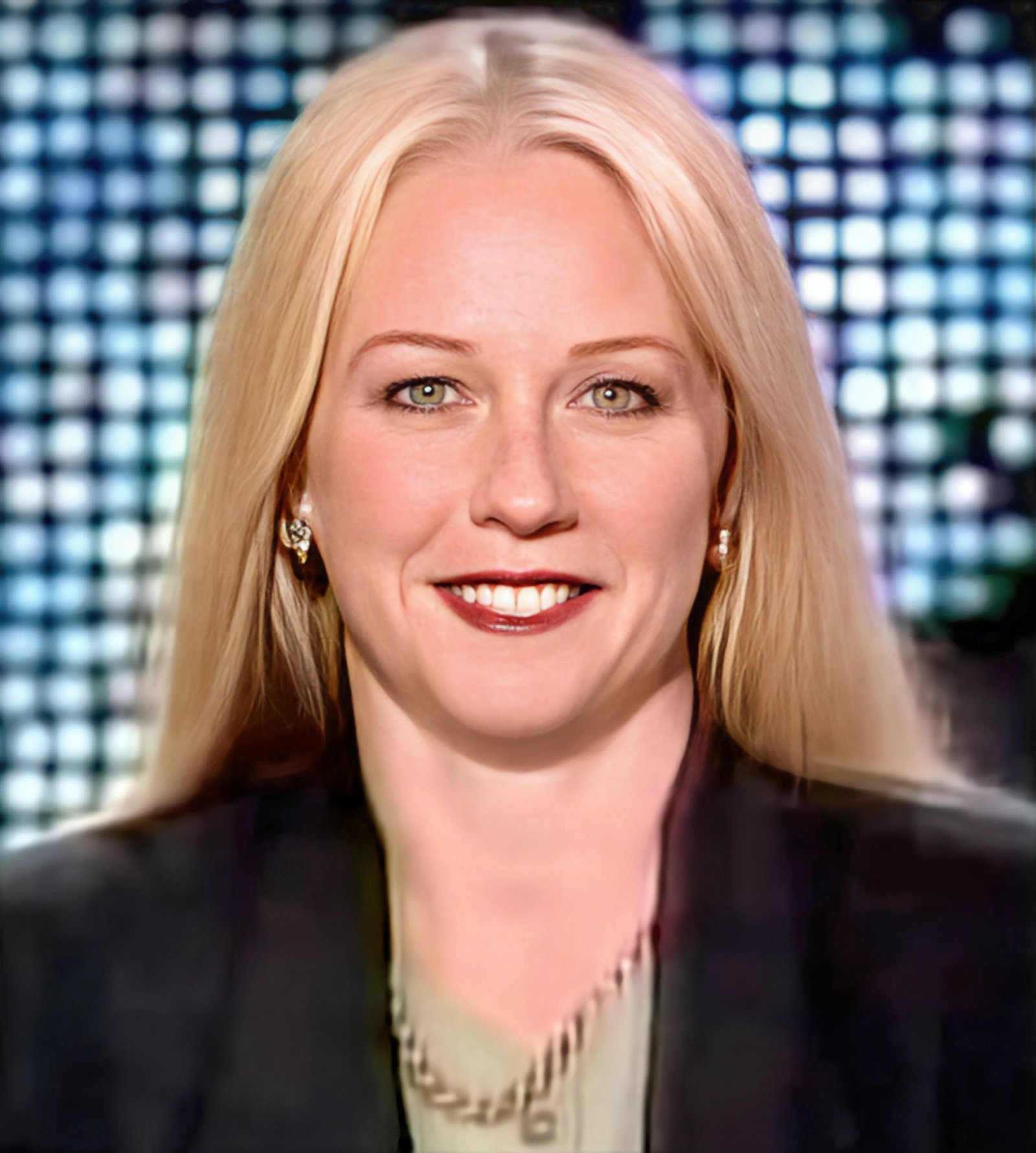
| 15 Quotes | |
| Born as | Barbara Kay Olson |
| Occup. | Journalist |
| From | USA |
| Spouse | Theodore Olson (1996) |
| Born | December 27, 1955 Houston, Texas, USA |
| Died | September 11, 2001 Arlington County, Virginia, USA |
| Aged | 45 years |
| Cite | |
Citation Formats
APA Style (7th ed.)
Barbara olson biography, facts and quotes. (2026, February 11). FixQuotes. https://fixquotes.com/authors/barbara-olson/
Chicago Style
"Barbara Olson biography, facts and quotes." FixQuotes. February 11, 2026. https://fixquotes.com/authors/barbara-olson/.
MLA Style (9th ed.)
"Barbara Olson biography, facts and quotes." FixQuotes, 11 Feb. 2026, https://fixquotes.com/authors/barbara-olson/. Accessed 6 Mar. 2026.
Early Life and Background
Barbara Kay Olson was born on December 27, 1955, in Houston, Texas, into a middle-class Gulf Coast world shaped by space-age ambition and late-20th-century political realignment. Her early years unfolded amid the social churn of the 1960s and 1970s, when the authority of institutions was both contested and newly mediated through television. That combination - public power and the stories told about it - would become the permanent axis of her adult life.Friends and colleagues later described her as disciplined, fast, and unusually comfortable inside the combative weather of Washington argument. The psychological throughline was a hunger for accountability: she was less interested in private sentiment than in what public actors did when the cameras were off, and how systems behaved when stressed. That temperament made her a natural fit for investigative reporting and, later, the legal and political arenas where motives are inferred from records, testimony, and consequences.
Education and Formative Influences
Olson studied journalism at the University of Houston, graduating in the late 1970s, then moved through early reporting jobs that trained her to file clean copy under pressure and to treat documents as the ground truth beneath slogans. Her formative influences were less literary than procedural - courthouse routines, deadline discipline, and the adversarial logic of American public life - and she absorbed the period's shift toward personality-driven politics, in which scandal, ethics, and image management could determine careers as surely as policy.Career, Major Works, and Turning Points
By the 1980s and 1990s Olson had become a Washington-based journalist and commentator, appearing frequently on cable news while also writing in print; she later served in federal roles, including at the U.S. Department of Justice and as a Senior Adviser to the House Government Reform Committee. Her major work, Hell to Pay: The Unfolding Story of Hillary Rodham Clinton (2000), built a prosecutorial narrative about influence, secrecy, and the costs of proximity to power, making her both a prominent critic of the Clinton-era political culture and a lightning rod within it. A defining personal turning point came with her marriage to Theodore B. Olson, a leading conservative attorney; together they embodied a Washington marriage of law and media, each amplifying the other's access and scrutiny. Her life ended on September 11, 2001, when she was a passenger on American Airlines Flight 77, which was hijacked and crashed into the Pentagon.Philosophy, Style, and Themes
Olson's public voice fused newsroom directness with courtroom inference: she preferred motive, process, and institutional incentives to therapeutic explanation. She treated politics as a system that rewards concealment unless forced into disclosure, and she framed her targets not as aberrations but as case studies in what unmonitored power becomes. In her writing and on-air commentary, she leaned on the evidentiary feel of specifics - timelines, phone calls, meetings, formal authorities - because she believed scandal was rarely about a single act and more about the governing habits that normalize it.Her psychological signature was moral impatience with evasive language and self-exculpation. She mocked the bureaucratic alibi - “Mistakes were made is something we heard back in '92, and that has sort of been the Clinton administration's mantra”. - not merely as rhetoric but as a strategy to dissolve agency. Likewise, she was drawn to the pardon power as a concentrated test of character: “Of all presidential perks, the pardon power has a special significance. It is just the kind of authority that would attract the special attention of someone obsessed with himself and his own ability to influence events”. The imagery she chose could be theatrical because she wanted readers to feel the machinery at work - “Phones rang constantly, as if the White House was conducting some kind of pardon telethon”. - and to recognize how quickly public trust erodes when governance looks transactional.
Legacy and Influence
Olson's legacy is inseparable from two contexts: the scandal-saturated Washington of the 1990s, and the national trauma of September 11 that ended her life. She remains a symbol of the era when cable news accelerated partisan investigation into daily spectacle, yet her work also helped define a durable template for accountability journalism that treats ethics, process, and personal incentives as legitimate subjects of political reporting. In biographical terms, she is remembered as a figure who lived at the intersection of law, media, and power - and whose final hours, marked by widely reported phone calls from the hijacked plane, fixed her in the public memory as both participant in and victim of the history she spent her career trying to understand.Our collection contains 15 quotes written by Barbara, under the main topics: Justice - Sarcastic - Leadership - Honesty & Integrity - Vision & Strategy.
Barbara Olson Famous Works
- 2001 The Final Days: A Behind the Scenes Look at the Last, Desperate Abuses of Power by the Clinton White House (Book)
- 1999 Hell to Pay: The Unfolding Story of Hillary Rodham Clinton (Book)
Source / external links