
Barry Bonds Biography Quotes 22 Report mistakes
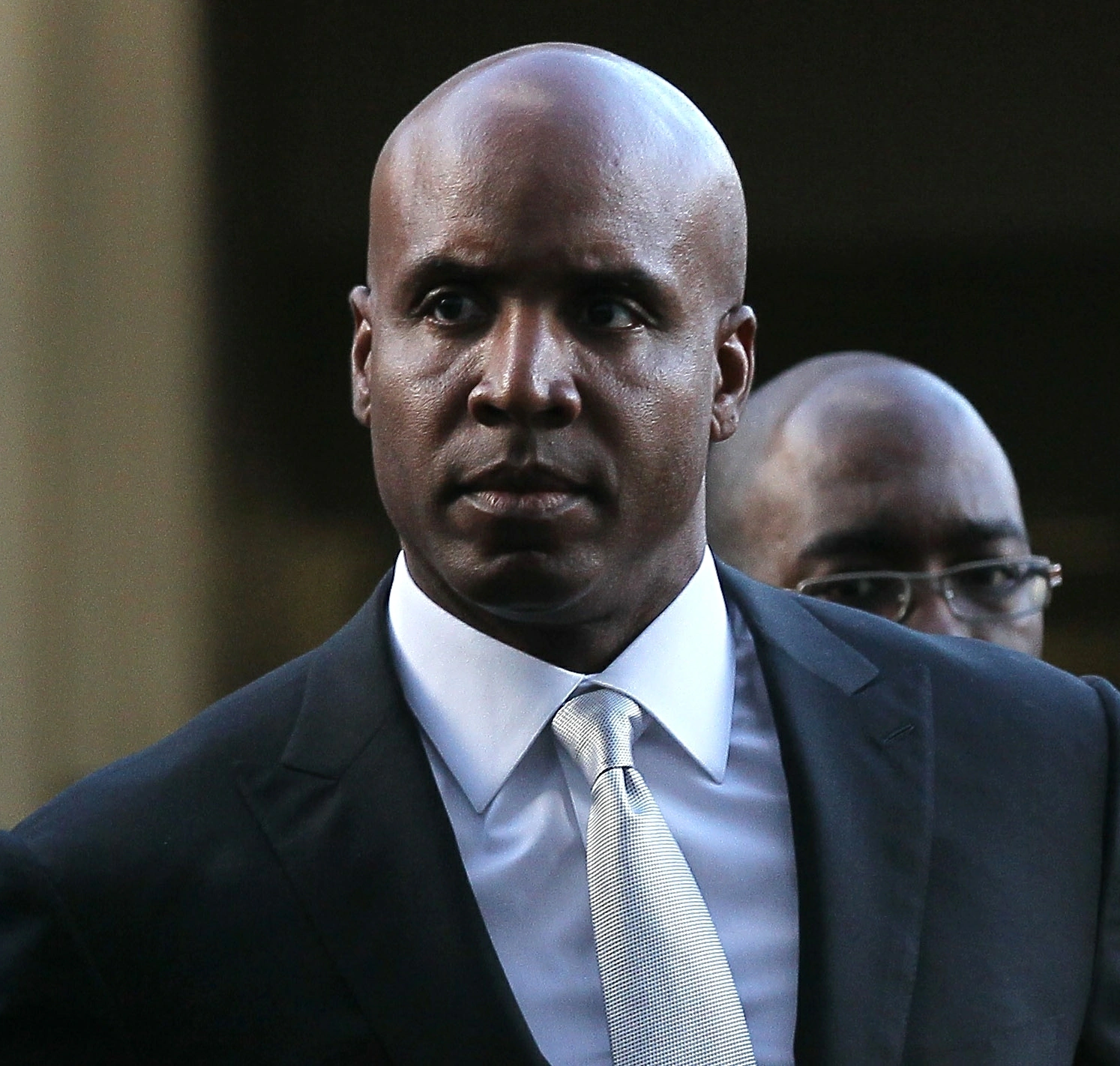
| 22 Quotes | |
| Occup. | Athlete |
| From | USA |
| Born | July 24, 1964 |
| Age | 61 years |
| Cite | |
Citation Formats
APA Style (7th ed.)
Barry bonds biography, facts and quotes. (2026, February 11). FixQuotes. https://fixquotes.com/authors/barry-bonds/
Chicago Style
"Barry Bonds biography, facts and quotes." FixQuotes. February 11, 2026. https://fixquotes.com/authors/barry-bonds/.
MLA Style (9th ed.)
"Barry Bonds biography, facts and quotes." FixQuotes, 11 Feb. 2026, https://fixquotes.com/authors/barry-bonds/. Accessed 5 Mar. 2026.
Early Life and Family
Barry Lamar Bonds was born on July 24, 1964, in Riverside, California, and raised in the Bay Area, where baseball was part of his family identity and daily surroundings. His father, Bobby Bonds, was an All-Star outfielder whose blend of power and speed made him one of the most dynamic players of the late 1960s and 1970s. Barry spent time around major league clubhouses as a child, absorbing routines and expectations of professional baseball. His mother, Pat Bonds, was a steady presence throughout his life, and his godfather, Willie Mays, one of the greatest players in baseball history, served as an iconic mentor. The family connections anchored Barry to the San Francisco Giants tradition long before he wore the uniform, and his aunt, Rosie Bonds, an Olympic hurdler, underscored the athletic lineage surrounding him.Amateur Development
Bonds attended Junipero Serra High School in San Mateo, California, where his talent quickly drew attention. He excelled enough to be drafted out of high school, but he chose to attend Arizona State University, a powerhouse baseball program that helped refine his approach at the plate and his discipline in the outfield. At ASU he developed a reputation for extraordinary strike-zone judgment and a compact, powerful left-handed swing. His collegiate success propelled him to the top tier of professional scouting lists.Pittsburgh Pirates Beginnings
The Pittsburgh Pirates selected Bonds in the first round of the 1985 draft, and he reached the majors in 1986. Quickly, he showed the blend of speed, power, and defense that would define his prime. Playing center and then left field, he became a central figure as the Pirates built a contender under manager Jim Leyland. Bonds won National League Most Valuable Player awards in 1990 and 1992, anchoring teams that captured three straight division titles from 1990 to 1992. He shared the clubhouse with key figures such as Bobby Bonilla, Andy Van Slyke, and Doug Drabek, and his growth in Pittsburgh established him as one of the game's most complete players. In those years he ran the bases aggressively, won Gold Gloves for his defense, and improved his on-base skills, becoming one of the league's most feared leadoff and middle-order hitters.Return to the Bay Area and Early Giants Impact
After the 1992 season, Bonds signed as a free agent with the San Francisco Giants, returning to the franchise most connected to his family history. He made an immediate impact, winning the 1993 NL MVP and transforming the Giants into a pennant contender. Managed by Dusty Baker, the Giants rode Bonds's power and plate discipline through an intense division race. Though they fell short that year, Bonds's arrival marked a new era. He would star for the Giants through the opening of their new ballpark in 2000 on the San Francisco waterfront, an era in which fans gathered in McCovey Cove beyond right field in hopes of catching his prodigious home run balls.Peak Years, Accolades, and Statistical Dominance
Bonds's peak with the Giants included some of the most dominant hitting seasons the sport has ever seen. He joined the 40-40 club in 1996, one of few players in history to hit at least 40 home runs and steal at least 40 bases in a season, underscoring the rare combination of speed and power he possessed. Over the years he transitioned from a three-dimensional star into an unmatched offensive force whose strike-zone command and bat speed produced staggering rates of walks and extra-base hits.The 2001 season was historic. Bonds hit 73 home runs, establishing a single-season record. In subsequent seasons, pitchers responded by walking him at unprecedented rates, including intentional walks with the bases empty and even with runners in scoring position. Bonds's on-base percentage and slugging percentage soared to territory seldom reached, and he accumulated awards to match: seven career MVPs, including 1990, 1992, 1993, and a run of four straight in 2001 through 2004. He finished with 14 All-Star selections, multiple batting titles, 8 Gold Gloves from his earlier years, and 12 Silver Slugger Awards, reflecting both his evolution and sustained excellence. His plate discipline produced records for walks and intentional walks, redefining how opposing managers approached a single hitter.
2002 Pennant and World Series Run
In 2002 the Giants, led by Bonds and a core that included Jeff Kent, Rich Aurilia, and Jason Schmidt, reached the World Series under manager Dusty Baker. Bonds was devastating at the plate throughout the postseason, launching towering home runs and drawing countless walks. San Francisco pushed the Anaheim Angels to seven games, but the Giants were turned back late in the series. The loss was a defining near-miss in Bonds's career, as he had now paired his personal peak with a team on the cusp of a championship.Later Career, Milestones, and 756
As Bonds entered his late 30s, he remained the focal point of every series. In 2004 he set single-season records for walks and intentional walks, reflecting the league-wide strategy of denying him pitches to hit. On August 7, 2007, he hit his 756th career home run, passing Hank Aaron for the all-time record. The milestone came at the Giants' home park, with his son Nikolai, who served as a batboy during those years, often seen nearby during these historic moments. Bonds finished his career with 762 home runs, the highest total in major league history, alongside more than 500 stolen bases, making him the only member of the 500-500 club.Controversies and Legal Matters
Bonds's achievements were accompanied by controversy tied to the broader performance-enhancing drug era in baseball. He was linked to the Bay Area Laboratory Co-operative investigation, a wide-ranging probe that touched several prominent athletes. Legal scrutiny led to an indictment on perjury and obstruction charges. In 2011 he was convicted of obstruction of justice; that conviction was later overturned by a federal appeals court in 2015. Throughout these years he remained a polarizing figure, supported strongly by many fans in San Francisco and scrutinized nationally amid a sport-wide reckoning over substances, testing, and records.Coaches, Managers, and Relationships
Key figures shaped Bonds's on-field and personal journey. Manager Jim Leyland in Pittsburgh challenged and supported him as a young star. In San Francisco, Dusty Baker managed him through his early Giants prime and the 2002 pennant, while Felipe Alou later guided the club during his record-breaking seasons. Bonds's relationship with teammates drew attention, particularly the high-profile friction with Jeff Kent, which symbolized the intensity inside a competitive clubhouse. Beyond teammates and managers, the influence of Willie Mays as godfather and of Bobby Bonds as father and example remained central, with Bobby's passing in 2003 marking a deeply emotional chapter in Barry's life.Hall of Fame Debates
Despite his statistical dominance and accolades, Bonds was not elected to the National Baseball Hall of Fame through the Baseball Writers ballot. His vote totals rose over time but fell short of the required threshold before his eligibility window closed. Subsequent consideration by an era committee did not result in induction. The debate around his candidacy weaves together unmatched on-field production, the historical context of the era in which he played, and evolving standards about how to weigh allegations and legal outcomes against performance. The conversation continues to involve former players, historians, voters, and fans, and his case remains one of the most discussed in sports.Post-Playing Career
After his final season in 2007, Bonds maintained ties to the game. He served as a special instructor and advisor with the Giants in the mid-2010s, returning to spring training to work with hitters and reconnect with the organization that defined much of his career. In 2016 he served as the Miami Marlins hitting coach under manager Don Mattingly, a tenure that lasted one season. His presence in these roles drew attention both for his technical knowledge of hitting and for what it might mean for his public perception.Legacy and Influence
Barry Bonds's legacy is a complex blend of generational talent, family heritage, and the turbulence of a sport confronting its own practices. At his peak he combined unparalleled strike-zone control, power that punished even slight mistakes, and, in his earlier years, the speed and range that made him a complete player. He redefined how pitchers and managers game-planned against a single hitter, leading to record intentional walks and unprecedented caution. His name sits alongside those of Babe Ruth, Hank Aaron, and Willie Mays in discussions of the greatest hitters to play the game, yet his era's controversies ensure that assessments of his place in baseball history include ethical and contextual dimensions that go beyond statistics.Bonds remains closely associated with San Francisco, with the team, fans, and ballpark that served as the stage for his greatest achievements. His father, Bobby Bonds, and godfather, Willie Mays, stand as enduring figures in his story, representing a baseball lineage that spans decades and franchises. Whether evaluated through advanced metrics, awards, or the visceral memory of towering home runs arcing toward the Bay, Barry Bonds's career is one of the most consequential in American sports, its brilliance and its disputes forever intertwined.
Our collection contains 22 quotes written by Barry, under the main topics: Motivational - Leadership - Sports - Overcoming Obstacles - Success.
Other people related to Barry: Sammy Sosa (Athlete), Bud Selig (Celebrity)
Source / external links