
Barry McCaffrey Biography Quotes 8 Report mistakes
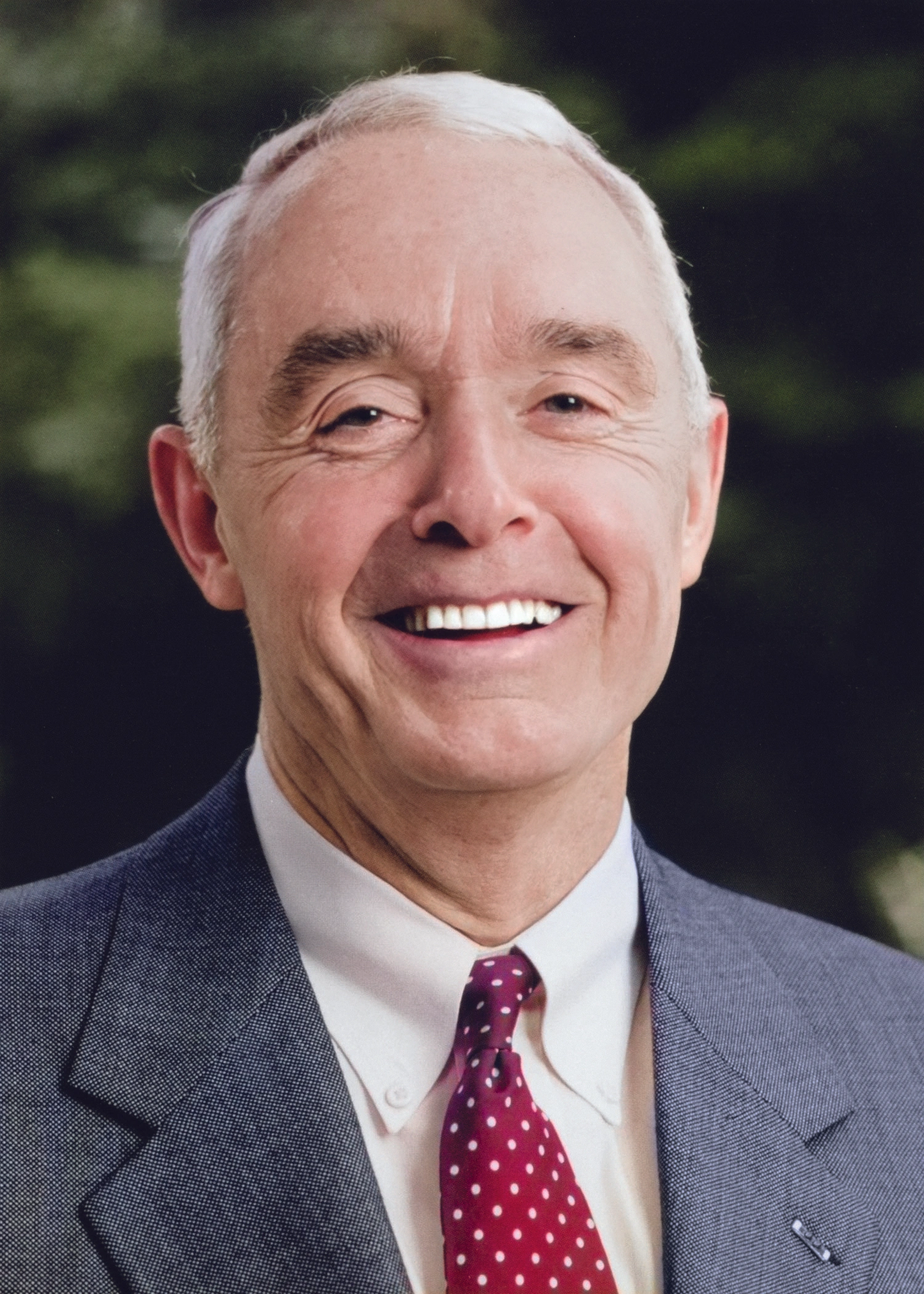
| 8 Quotes | |
| Born as | Barry Richard McCaffrey |
| Occup. | Soldier |
| From | USA |
| Spouse | Jill Ann Faulkner |
| Born | November 17, 1942 Taunton, Massachusetts, USA |
| Age | 83 years |
| Cite | |
Citation Formats
APA Style (7th ed.)
Barry mccaffrey biography, facts and quotes. (2026, February 11). FixQuotes. https://fixquotes.com/authors/barry-mccaffrey/
Chicago Style
"Barry McCaffrey biography, facts and quotes." FixQuotes. February 11, 2026. https://fixquotes.com/authors/barry-mccaffrey/.
MLA Style (9th ed.)
"Barry McCaffrey biography, facts and quotes." FixQuotes, 11 Feb. 2026, https://fixquotes.com/authors/barry-mccaffrey/. Accessed 3 Apr. 2026.
Early Life and Background
Barry Richard McCaffrey was born on November 17, 1942, in the United States, into a generation shaped by World War II aftermath and the early Cold War, when civic duty and military service carried a particular moral weight. He came of age as the country moved from postwar confidence into the anxieties of nuclear rivalry and, soon, the social upheavals of the 1960s. That mix of external threat and internal fracture would become a through-line in his public life - a soldier who later spoke as much about domestic resilience as about foreign battlefields.McCaffrey's early identity formed in an America that increasingly asked young men to imagine war not as a distant abstraction but as a likely obligation. By the time he entered adulthood, Vietnam was escalating, and the officer corps needed leaders who could navigate both conventional doctrine and an unfamiliar kind of conflict. The psychological imprint of that era - urgency, hierarchy, and the permanent presence of risk - helped produce his later posture: blunt, operationally minded, and impatient with what he viewed as strategic drift.
Education and Formative Influences
McCaffrey was educated at the United States Military Academy at West Point, where the culture of measurable performance and institutional responsibility reinforced a pragmatic worldview. He later completed advanced study at American University, widening his lens beyond battlefield tactics toward policy, governance, and the bureaucratic realities that shape national security decisions. The combination mattered: West Point emphasized command and duty; graduate-level policy training sharpened his instinct to interrogate strategy, budgets, and the interagency machinery that turns ideals into action.Career, Major Works, and Turning Points
Commissioned into the U.S. Army, McCaffrey served in Vietnam, where he earned a reputation for personal courage and repeated exposure to combat. Across a long career that included senior command and staff roles, he rose to four-star general and ultimately commanded U.S. Southern Command, a post that forced him to treat the hemisphere as an interlocking system of migration, trafficking, governance, and instability rather than a set of isolated crises. His most visible pivot came after active duty: as Director of the Office of National Drug Control Policy (the "drug czar") in the Clinton administration, he became a national spokesman for prevention, enforcement, and the difficult politics of addiction. Later, as a public commentator and teacher of national security, he translated a soldier's decisiveness into a media-facing style that was unusually direct for a retired general.Philosophy, Style, and Themes
McCaffrey's public philosophy fused two convictions: that security is inseparable from competent institutions, and that social breakdown can be as strategically corrosive as any foreign adversary. He spoke about borders, trafficking routes, and failed states, but his attention repeatedly returned to the domestic consequences of policy failure. His rhetoric often placed the burden of national strength on everyday systems - schools, families, local policing, public health - because, in his view, the nation bleeds internally when those systems collapse. “If you want to fight a war on drugs, sit down at your own kitchen table and talk to your own children”. The line reveals a characteristic psychology: he trusted chains of command, but he also believed moral persuasion and parental authority were part of the national arsenal.That blend of strategic and intimate thinking made his style simultaneously martial and civic. He could describe the scale of incarceration as a data point and a warning about what the country had normalized: “We have 1.8 million Americans behind bars today at Local, State and Federal level”. Numbers, for McCaffrey, were never merely descriptive - they were an indictment of drift, a demand for measurable outcomes, and a reminder that policy choices accumulate into human damage. Even when praising federal enforcement, his language framed defense as an active, collective project rather than a slogan: “Thank God we're going to try to continue and effectively defend our frontiers with the Border Patrol, with the Customs Department, with the Coast Guard, with the Armed Forces”. Underneath the gratitude sits a commanderly fear of unguarded seams - the belief that modern threats exploit the spaces between agencies and between nations.
Legacy and Influence
McCaffrey's enduring influence lies in how he bridged soldiering and domestic policy in an era when Americans increasingly experienced security as a blend of foreign wars, organized crime, drugs, and border pressures. As a combat-decorated general, he embodied late-20th-century military professionalism; as drug czar and later analyst, he pushed the argument that national strength required prevention, credible enforcement, and institutional coordination. Admirers cite his clarity and willingness to criticize complacency; critics argue that the drug war framework carried its own harms. Either way, he helped fix a template for post-Cold War security talk: operational, interagency, and insistently tied to the everyday lives of Americans.Our collection contains 8 quotes written by Barry, under the main topics: Justice - Parenting - War - Health - Peace.
Source / external links