
Barry Sheene Biography Quotes 10 Report mistakes
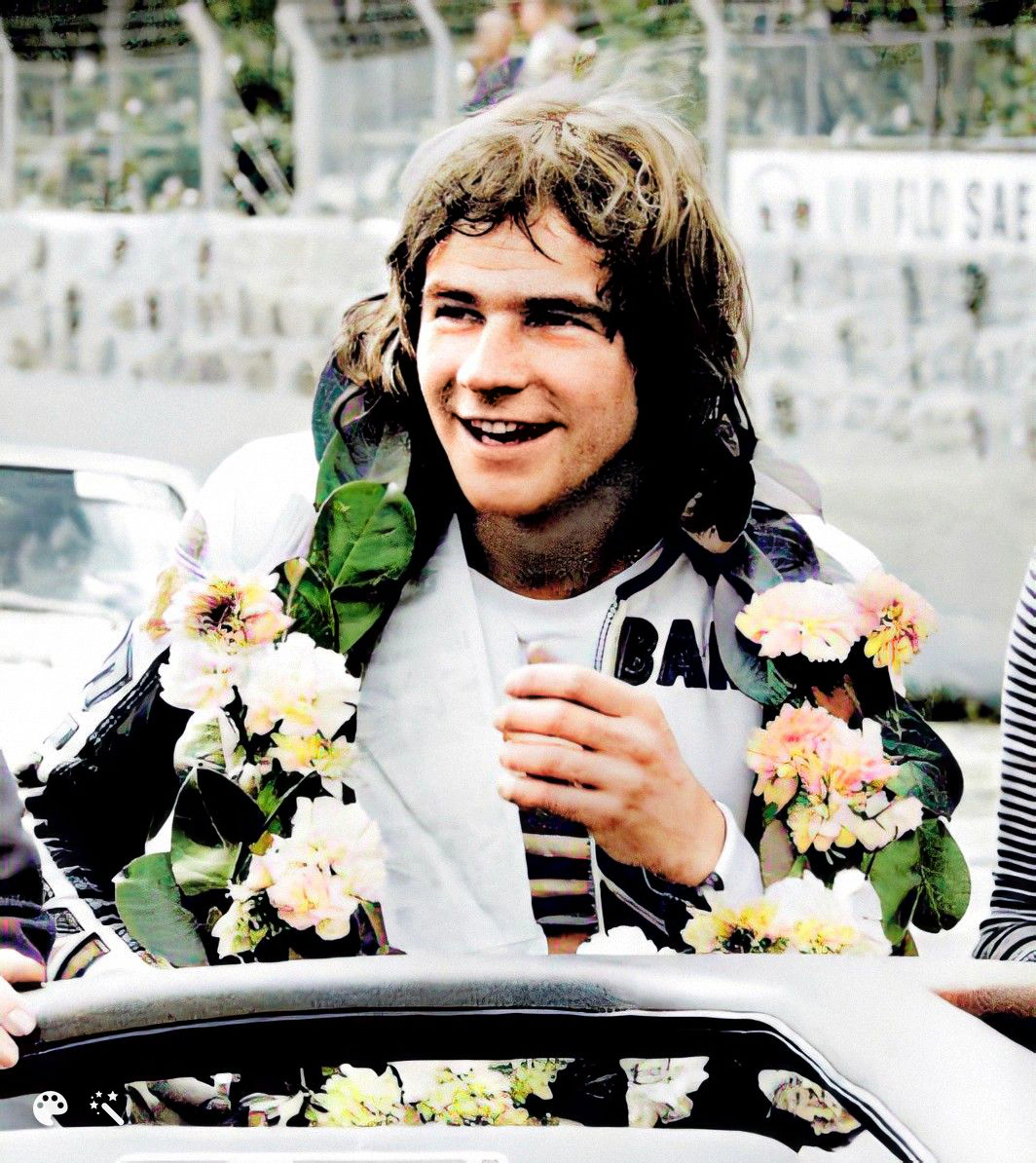
| 10 Quotes | |
| Born as | Barry Stephen Frank Sheene |
| Occup. | Celebrity |
| From | United Kingdom |
| Born | September 11, 1950 London, England |
| Died | March 10, 2003 Gold Coast, Queensland, Australia |
| Cause | Cancer |
| Aged | 52 years |
| Cite | |
Citation Formats
APA Style (7th ed.)
Barry sheene biography, facts and quotes. (2026, February 11). FixQuotes. https://fixquotes.com/authors/barry-sheene/
Chicago Style
"Barry Sheene biography, facts and quotes." FixQuotes. February 11, 2026. https://fixquotes.com/authors/barry-sheene/.
MLA Style (9th ed.)
"Barry Sheene biography, facts and quotes." FixQuotes, 11 Feb. 2026, https://fixquotes.com/authors/barry-sheene/. Accessed 26 Mar. 2026.
Early Life and Background
Barry Stephen Frank Sheene was born on September 11, 1950, in London, England, into a postwar Britain where speed culture was reasserting itself through club racing, new industrial prosperity, and the glamour of the TT and Grand Prix circuits. His father, Frank Sheene, was deeply embedded in the sport as a racer and later a motorcycle journalist, giving Barry a rare childhood in which paddocks and workshops were as familiar as classrooms. That proximity did not romanticize risk so much as normalize it - a key difference that later fed both his bravado and his clear-eyed insistence on safety reform.In an era when riders were expected to be stoic and replaceable, Sheene made himself conspicuously individual: funny, media-savvy, and candid to the point of provocation. Yet beneath the public charm was a practical mechanic's intelligence and a competitiveness sharpened by injury and recovery. The young Sheene learned early that careers could end in a corner, and that control - of machine, body, and narrative - was a rider's most precious currency.
Education and Formative Influences
Sheene left formal education early and trained his hands and instincts in the world that mattered most to him: engines, chassis, and track craft. He apprenticed in the rough meritocracy of British short-circuit racing and tuned his sense of limits through relentless testing, watching older riders and absorbing the tacit knowledge of set-up and survival. The 1960s and early 1970s were still defined by thin leathers, inconsistent medical response, and a cultural expectation that "real" riders accepted whatever a circuit offered; those norms became the pressure against which Sheene formed his strongest convictions.Career, Major Works, and Turning Points
Sheene rose quickly through national racing and into Grand Prix competition, becoming synonymous with Suzuki in the 500cc class. He won the 500cc World Championship in 1976 and 1977, a peak that coincided with motorcycling's transition from romantic danger to professional sport, with global sponsorship and television turning riders into celebrities. His career was repeatedly reshaped by injury, none more infamous than the horrific 1979 British Grand Prix crash at Silverstone, after which he returned with metal in his body and an even sharper appetite for speaking his mind. In the 1980s he moved to Australia, remained a visible racing figure and commentator, and sustained his public stature long after results alone could have carried it, turning personality and opinion into a second discipline.Philosophy, Style, and Themes
Sheene rode with a mixture of calculation and audacity that fit the two-stroke era: fast corner speed, fearless commitment, and an ability to make a violent machine look fluent. What distinguished him was not only technique but how he processed the sport psychologically. He rejected the pious mythology around racing, puncturing it when it suited him and refusing to pretend that danger was noble. His blunt assessment of extreme-risk venues captured the line he drew between courage and institutional negligence: “I thought: This is not racing, it's a suicide mission”. That sentence is less a complaint than a creed - a rider insisting on the right to live.The same clarity appeared when he confronted mechanical failure and accountability. For Sheene, injury was not simply fate; it was evidence, and sometimes indictment. “I decided there and then to sue the bastards”. The aggression in that phrasing reveals his deeper need for agency after trauma, and a refusal to let manufacturers, promoters, or governing bodies hide behind tradition. Yet he also guarded his inner space from being consumed by the very world that made him famous, resisting the endless rehashing of paddock lore: “Endless motorbike talk can and does bore me”. The line reads like self-preservation - the celebrity rider insisting he was more than a moving part in a sport's echo chamber.
Legacy and Influence
Sheene endures as one of British motorcycling's defining modern figures: a double world champion who helped shift the rider's role from silent gladiator to public advocate. His fame broadened the sport's audience, his honesty normalized discussions of safety and responsibility, and his style - wry, defiant, unfiltered - became a template for later stars navigating sponsorship, media, and governance. He died on March 10, 2003, in Australia, but his influence persists wherever riders argue that speed is the point, and preventable danger is not.Our collection contains 10 quotes written by Barry, under the main topics: Witty One-Liners - Justice - Victory - Sports - Respect.
Source / external links